
Nvidia CEO Denies Rift Over Massive OpenAI Investment Plan
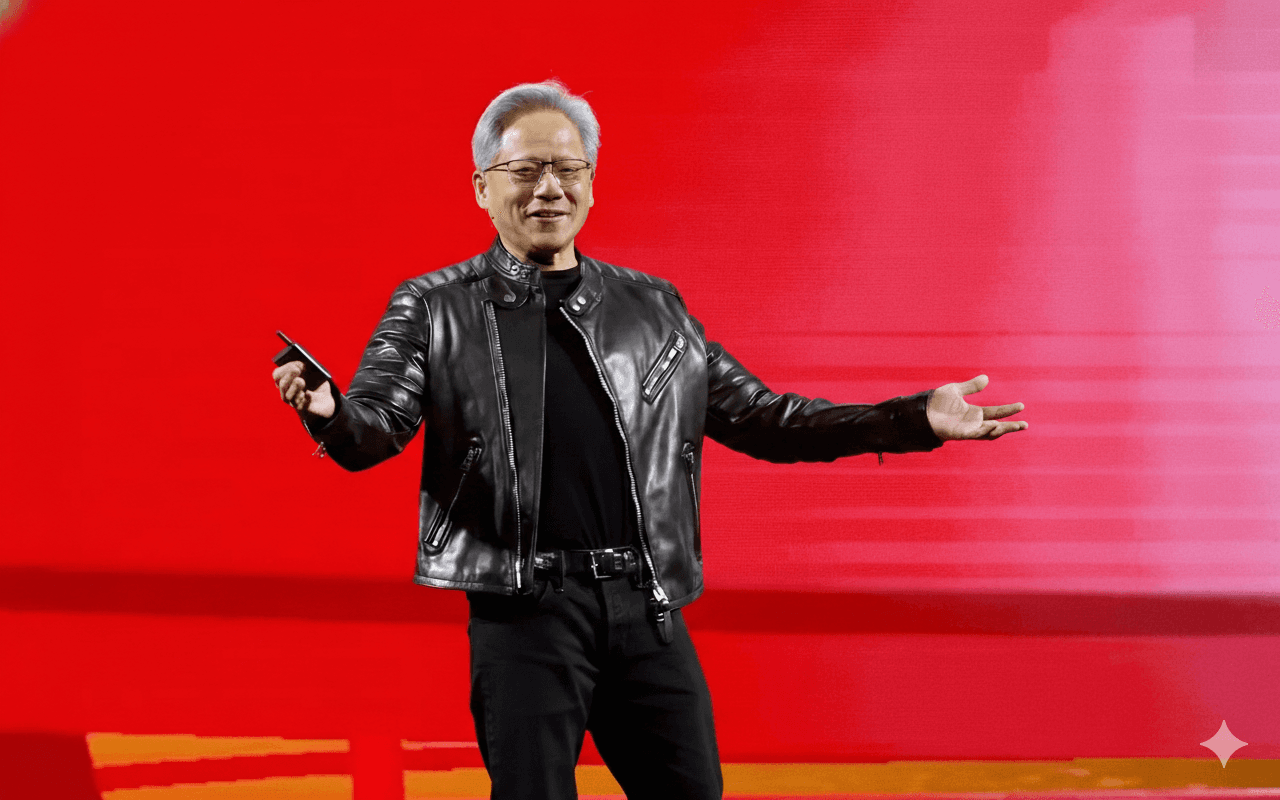
Nvidia CEO Jensen Huang has pushed back strongly against reports suggesting tension between his company and OpenAI, calling claims of strain in the Nvidia OpenAI investment relationship “nonsense.” His remarks aim to reassure markets that one of the most closely watched partnerships in artificial intelligence remains intact.
The comments follow a report that suggested Nvidia might scale back its previously announced plan to invest up to $100 billion in OpenAI while also helping build large-scale computing infrastructure for the AI company. Huang’s public response signals continued alignment between the two firms at a time when AI infrastructure and funding are central to the industry’s future.
What Sparked the Speculation
The speculation began after a media report claimed Nvidia was rethinking the scope of its commitment. The earlier announcement outlined a plan for Nvidia to invest heavily in OpenAI and support the development of roughly 10 gigawatts of computing infrastructure to power advanced AI systems.
According to the report, Huang had emphasized in private discussions that the deal structure was nonbinding. It also suggested he had raised questions about OpenAI’s long-term strategy and the competitive landscape, including pressure from other AI developers.
However, Huang publicly dismissed the idea of a breakdown in relations. Speaking during a visit to Taipei, he stressed that Nvidia would “definitely participate” in OpenAI’s latest funding round and described the company as one of the most important forces in the AI sector.
Huang Reaffirms Confidence in OpenAI
Huang’s comments were notably direct. He said Nvidia would invest “a great deal of money” and expressed strong belief in OpenAI’s work and direction. He also framed the relationship as a strategic one that extends beyond short-term financial considerations.
By emphasizing support for OpenAI’s upcoming OpenAI funding round, Huang signaled that Nvidia still sees the partnership as a key pillar of its AI ecosystem strategy. Nvidia’s chips and systems are central to training and running advanced AI models, making OpenAI both a customer and a strategic partner.
He declined to provide specific figures for the next investment, noting that fundraising details would be announced by OpenAI leadership.
Why the Partnership Matters
The Nvidia AI partnership with OpenAI is significant for the broader technology sector. OpenAI develops some of the world’s most advanced AI models, while Nvidia dominates the market for high-performance processors used in AI workloads. Their collaboration links cutting-edge software with the hardware needed to scale it.
Large-scale AI systems require enormous computing resources. The plan to support AI infrastructure investment at the gigawatt level highlights how the industry is moving toward data-center-scale deployments. Nvidia’s role in supplying hardware and technical expertise gives it a strategic position in shaping how AI platforms grow.
For OpenAI, access to Nvidia’s technology and investment capital supports both research ambitions and commercial expansion.
Broader Funding Context
Reports indicate that OpenAI is seeking a very large new funding round, potentially one of the biggest in the history of the technology sector. Multiple major technology and investment firms are said to be in discussions about participating.
Within that context, the Nvidia OpenAI investment is viewed as a cornerstone of OpenAI’s financial and infrastructure strategy. Even if the structure or size of commitments evolves, Huang’s statements suggest that Nvidia intends to remain deeply involved.
Industry Implications
Any hint of friction between leading AI companies can affect market sentiment. The AI sector relies on long-term partnerships that combine research, infrastructure, and capital. By publicly rejecting the idea of a rift, Huang sought to reinforce confidence in the stability of these alliances.
The episode also shows how closely AI partnerships are now scrutinized. As funding rounds grow larger and infrastructure needs expand, relationships between hardware leaders and AI developers carry strategic weight well beyond individual companies.
What Comes Next
OpenAI is expected to share more details about its fundraising plans and partnership structure in the coming months. Nvidia’s continued participation will be closely watched, given its central role in supplying AI computing power worldwide.
For now, Huang’s message is clear: Nvidia remains committed, sees OpenAI as a strong investment, and plans to stay deeply involved as the AI industry enters its next phase of growth.
Topics
Covering startup news, AI, technology, and business at ThePrimely. Delivering accurate, in-depth reporting on the stories that shape the future.