
What Is North Korea Planning After Its Latest Powerful Missile Engine Test?
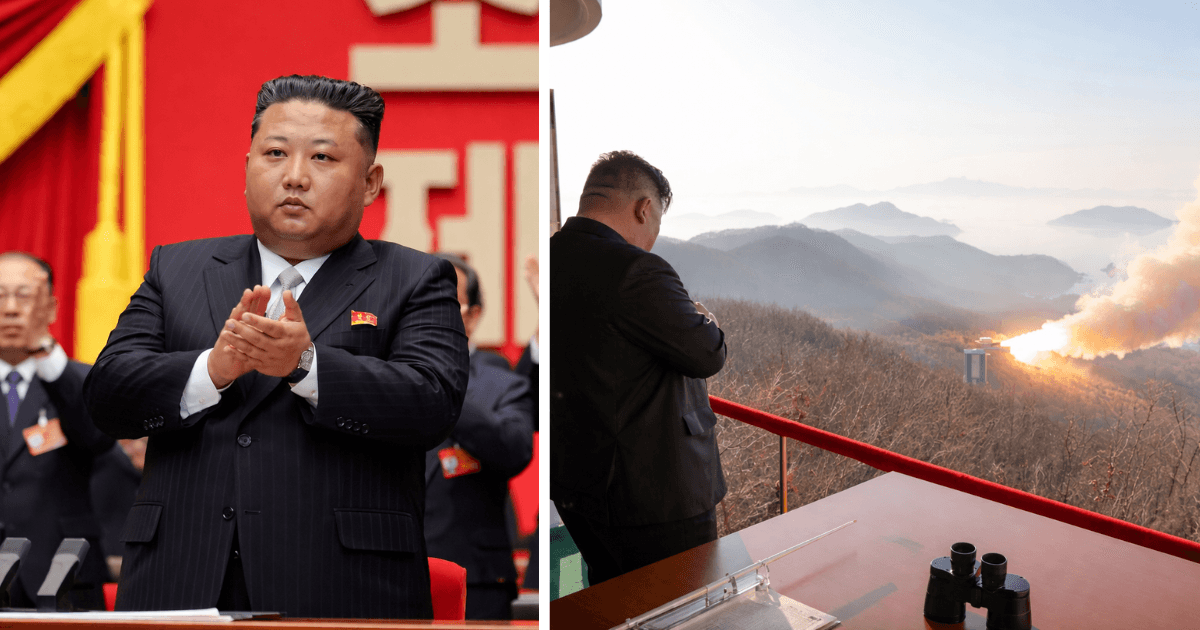
North Korea has once again shifted global attention. The latest North Korea missile test is not just another demonstration. It signals a deeper strategic move. This time, the focus is on a high thrust solid fuel engine. The implications are significant.
The test suggests faster launch capability and improved survivability. As a result, global security dynamics may face renewed pressure.
Understanding the Latest Development
North Korea recently conducted a test of a powerful solid fuel missile engine. Reports confirm that the engine is designed for long range ballistic missiles. These missiles could potentially reach the United States mainland.
The test was inspected directly by the country’s leadership. This highlights its importance. Unlike older liquid fuel systems, solid fuel engines allow quicker deployment. They reduce preparation time. Therefore, detection becomes harder.
This is not a routine upgrade. It represents a technological leap.
Why Solid Fuel Technology Matters
Solid fuel missiles offer clear strategic advantages. First, they can be launched with minimal preparation. Second, they are easier to transport and hide. Third, they increase response speed during conflict scenarios.
Earlier systems required fueling before launch. That process created delays and vulnerabilities. However, solid fuel removes that limitation. This makes the system more reliable in real time operations.
As a result, defense systems face greater challenges.
North Korea’s Missile Evolution
North Korea has steadily advanced its missile program over the past decade. It has moved from short range systems to intercontinental ambitions. Previous tests focused on range and payload capacity. Now, the emphasis is shifting toward efficiency and survivability. This transition reflects a more mature military strategy. It shows a focus on operational readiness rather than just demonstration.
Key Strategic Signals
The latest North Korea missile test sends multiple signals. First, it confirms progress in solid fuel technology. Second, it indicates preparation for next generation ICBMs. There is also speculation about an upcoming full missile launch. While not confirmed, such a move would align with past patterns.
Additionally, the inspection of new military equipment suggests broader modernization. This includes armored systems and battlefield readiness.
What This Means for the Near Term
The situation is entering a sensitive phase. If a full scale missile test follows, tensions could rise sharply. At the same time, global responses will shape the next steps. Diplomatic engagement remains possible. However, it will require careful handling.
Military readiness across the region is likely to increase. This creates a complex security environment. The latest North Korea missile test is more than a technical milestone. It marks a strategic shift. Solid fuel technology changes the rules of engagement.
The development strengthens North Korea’s position. At the same time, it raises global concerns. The coming weeks will be critical. Whether this leads to escalation or negotiation will depend on how major powers respond.
FAQ'S
1. What is significant about this missile test?
It involves a solid fuel engine, which allows faster and more reliable missile launches.
2. Can this missile reach the United States?
The engine is believed to support long range missiles capable of reaching the US mainland.
3. Why are solid fuel missiles important?
They reduce launch time and increase survivability, making them harder to detect and intercept.
4. Will North Korea conduct another test soon?
There is no confirmation, but patterns suggest a possible follow up launch.
5. How does this affect global security?
It increases tension and reduces response time for defense systems, raising overall risk levels.
Topics
Covering startup news, AI, technology, and business at ThePrimely. Delivering accurate, in-depth reporting on the stories that shape the future.