
Bank of America Epstein Settlement: Why Did It Happen and What Does It Signal for Global Banking?
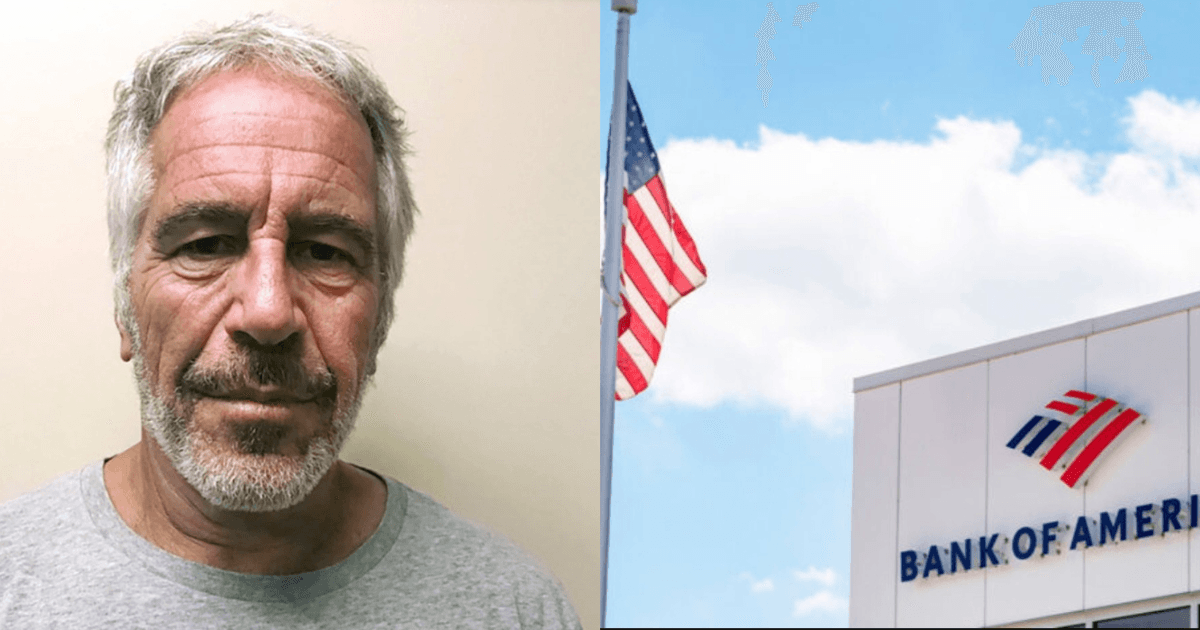
The Bank of America Epstein Settlement marks another major chapter in the long running financial fallout linked to Jeffrey Epstein. The bank has agreed to pay $72.5 million to resolve claims tied to Epstein’s sex trafficking activities.
At its core, the case raises serious questions. How did financial institutions handle high risk clients? And more importantly, what changes now follow? This settlement is not just about compensation. It signals a broader shift in how regulators and courts view bank accountability.
What Led to the Settlement
The lawsuit accused Bank of America of failing to act on warning signs linked to Jeffrey Epstein. Epstein, a convicted sex offender, maintained relationships with major financial institutions for years. During this period, banks allegedly processed transactions tied to his activities.
In this case, plaintiffs argued that Bank of America enabled financial flows that supported trafficking operations. The bank, however, chose to settle without admitting wrongdoing. This approach is common in high profile financial cases. It helps avoid prolonged litigation while limiting reputational damage.
The $72.5 Million Agreement
The settlement amount stands at $72.5 million, aligning with similar cases across the banking sector. Earlier, other global banks also faced lawsuits linked to Epstein. Several institutions opted for settlements instead of court battles.
Importantly, the funds will go toward compensating victims who were affected by Epstein’s actions. This outcome reflects a growing legal trend. Courts increasingly hold financial intermediaries accountable when due diligence fails.
Regulatory Pressure and Compliance Failures
The case highlights a critical issue. Banks must strengthen their compliance frameworks. Financial institutions are required to monitor suspicious transactions. They must also flag high risk clients. However, failures often occur due to weak internal controls or delayed action.
In Epstein’s case, multiple red flags reportedly existed. Yet, oversight gaps allowed relationships to continue. Therefore, regulators now expect stricter enforcement. Compliance is no longer a procedural requirement. It is a strategic priority.
A Wake Up Call for Global Banks
The settlement sends a strong message across the financial sector. Banks now face higher scrutiny when dealing with politically exposed or high risk individuals. The cost of non compliance is rising. Moreover, reputational risk has become as significant as financial penalties. Public trust can erode quickly in such cases.
As a result, institutions are likely to invest more in monitoring systems, risk analytics, and governance structures. This shift may increase operational costs. However, it also strengthens long term resilience.
Redefining Risk Management
The Bank of America Epstein Settlement forces a rethink of risk management strategies.
First, banks must move beyond basic compliance checks. They need proactive risk identification systems. Second, leadership accountability is becoming more visible. Senior executives must ensure oversight mechanisms are effective.
Third, technology will play a key role. Artificial intelligence can help detect unusual transaction patterns early. Therefore, institutions that adapt quickly will gain a competitive advantage.
What This Means for Corporate Accountability
This case reflects a broader change in legal expectations. Financial institutions are no longer seen as neutral intermediaries. Instead, they are viewed as active participants in financial ecosystems.
If systems fail, accountability follows. This shift aligns with global regulatory trends. Authorities are tightening norms across jurisdictions. Consequently, banks must align governance, ethics, and operations more closely than ever.
The Road Ahead for Financial Institutions
The implications extend beyond one settlement. Banks must now prepare for stricter audits and higher transparency requirements. Regulators will likely push for deeper scrutiny of client relationships.
At the same time, stakeholders demand stronger ethical standards. Therefore, the focus will move toward building trust alongside profitability. Institutions that ignore these signals risk long term damage.
The Bank of America Epstein Settlement is more than a legal resolution. It is a turning point for the global banking industry. While the financial penalty is significant, the reputational and regulatory consequences are far greater.
This case underscores a clear reality. Compliance failures can no longer be treated as operational lapses. They are strategic risks with lasting impact. For banks, the path forward is clear. Strengthen oversight, embrace accountability, and prioritize ethical governance.
FAQ's
1. Why did Bank of America agree to the settlement?
The bank chose to settle to resolve claims efficiently without admitting wrongdoing and avoid prolonged legal proceedings.
2. How much did Bank of America pay in the Epstein case?
Bank of America agreed to pay $72.5 million as part of the settlement.
3. Does the settlement mean the bank admitted guilt?
No. The settlement was reached without any admission of wrongdoing.
4. Who will receive the settlement funds?
The funds will go toward compensating victims linked to Epstein’s trafficking activities.
5. What impact will this have on the banking industry?
The case will likely lead to stricter compliance measures, stronger monitoring systems, and increased regulatory scrutiny.
Topics
Covering startup news, AI, technology, and business at ThePrimely. Delivering accurate, in-depth reporting on the stories that shape the future.