
Trump says Iran could be destroyed ‘in one night,’ hints at immediate strike
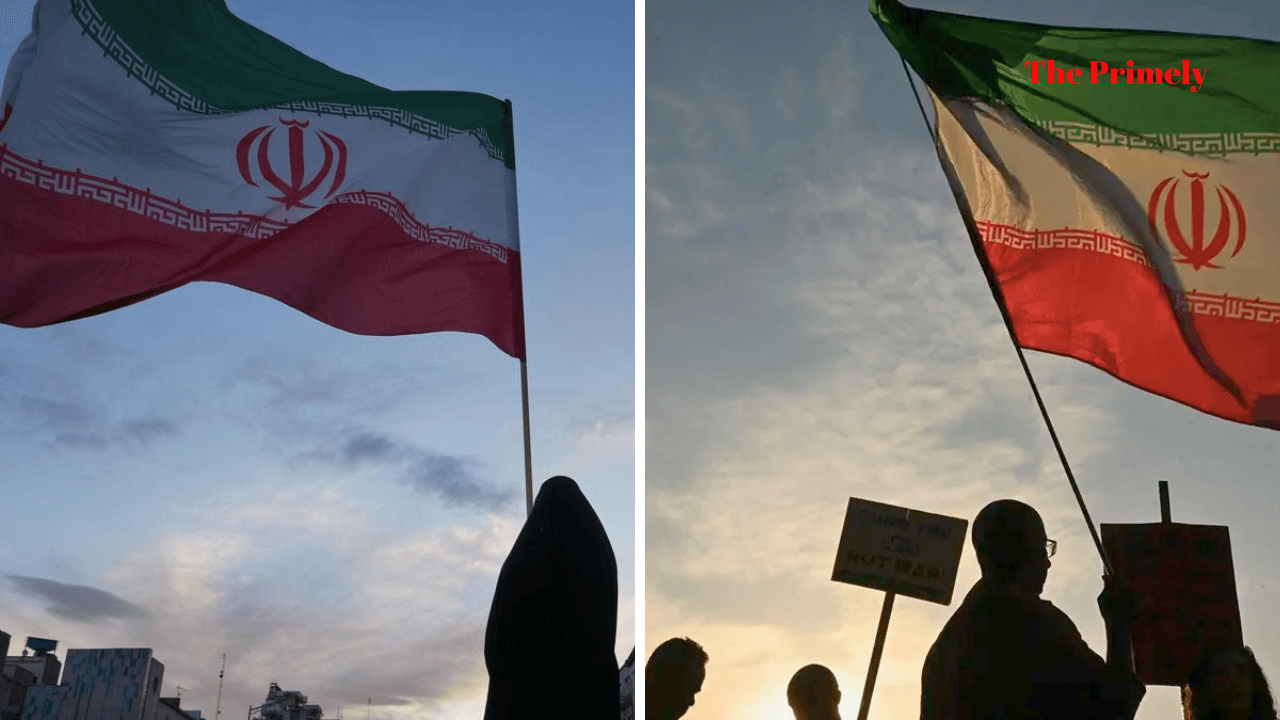
The Trump Iran war Strait of Hormuz crisis has entered a sharper and more unpredictable phase. In a dramatic escalation, U.S. President Donald Trump declared that Iran “can be taken out in one night,” adding that such action “might be tomorrow night.” This statement, delivered during a press briefing, comes at a moment when diplomacy is weakening and military pressure is intensifying across West Asia. The conflict, now several weeks old, is no longer confined to airstrikes and missile exchanges; it is evolving into a strategic battle over energy, influence, and global stability.
The breakdown of ceasefire efforts
Recent developments show that attempts to halt the conflict have failed to gain traction. Iran has formally rejected a U.S.-backed ceasefire proposal, instead demanding a permanent resolution that includes sanctions relief and long-term guarantees on security and trade routes. This rejection has widened the gap between both sides, especially as Trump has dismissed Iran’s counter-proposals as insufficient. The refusal to accept a temporary truce reflects a deeper mistrust and signals that negotiations are no longer a near-term solution.
Strait of Hormuz becomes the central pressure point
At the core of the Trump Iran war Strait of Hormuz tension lies one of the world’s most critical energy corridors. The Strait of Hormuz handles roughly 20% of global oil supply, and its disruption has already caused severe shocks in energy markets. Iran’s move to restrict passage has effectively turned the waterway into a bargaining tool. Trump has responded with a firm deadline, warning of large-scale strikes on Iranian infrastructure if the route is not reopened.
This confrontation has transformed the strait into more than a maritime dispute. It has become a symbol of strategic control, where economic leverage and military capability intersect. The longer the disruption continues, the greater the risk of sustained global supply shocks and inflationary pressure.
Military escalation and widening conflict
The battlefield has expanded rapidly across the region. U.S. and Israeli forces have intensified airstrikes targeting Iranian military and industrial sites, including high-level leadership figures. In response, Iran has launched missile and drone attacks across Israel and neighbouring regions, demonstrating that its retaliatory capacity remains intact.
Casualties have mounted significantly, with thousands reported dead across Iran, Lebanon, and Israel. The conflict has also drawn in proxy actors, raising the risk of further regional spillover. The situation now resembles a multi-front confrontation, where escalation cycles are accelerating faster than diplomatic responses.
Strategic implications for global markets
The economic consequences of the Trump Iran war Strait of Hormuz standoff are already visible. Oil prices have surged as shipping disruptions deepen uncertainty, while global markets remain volatile. The scale of disruption has been described as one of the most severe energy shocks in decades, affecting not only fuel but also broader supply chains.
From a policy perspective, the crisis is reshaping global energy strategies. Countries dependent on Gulf oil are reassessing supply security, while others are accelerating diversification toward alternative routes and energy sources. The conflict is also reinforcing the geopolitical importance of chokepoints like Hormuz in global trade.
The political messaging behind escalation
Trump’s rhetoric marks a shift from strategic pressure to overt signaling. His statements about rapid military victory are not only aimed at Iran but also at domestic and international audiences. Such messaging seeks to project strength while forcing negotiation timelines. However, it also raises concerns about miscalculation and unintended escalation.
At the same time, Iran’s insistence on a permanent settlement indicates a long-term strategic stance rather than a tactical retreat. Both sides appear to be positioning themselves for prolonged confrontation rather than immediate compromise.
Topics
Covering startup news, AI, technology, and business at ThePrimely. Delivering accurate, in-depth reporting on the stories that shape the future.