
The breakdown of US Iran nuclear talks has triggered a decisive shift. Israel’s strikes signal a new phase in the Iran Israel war with global consequences.
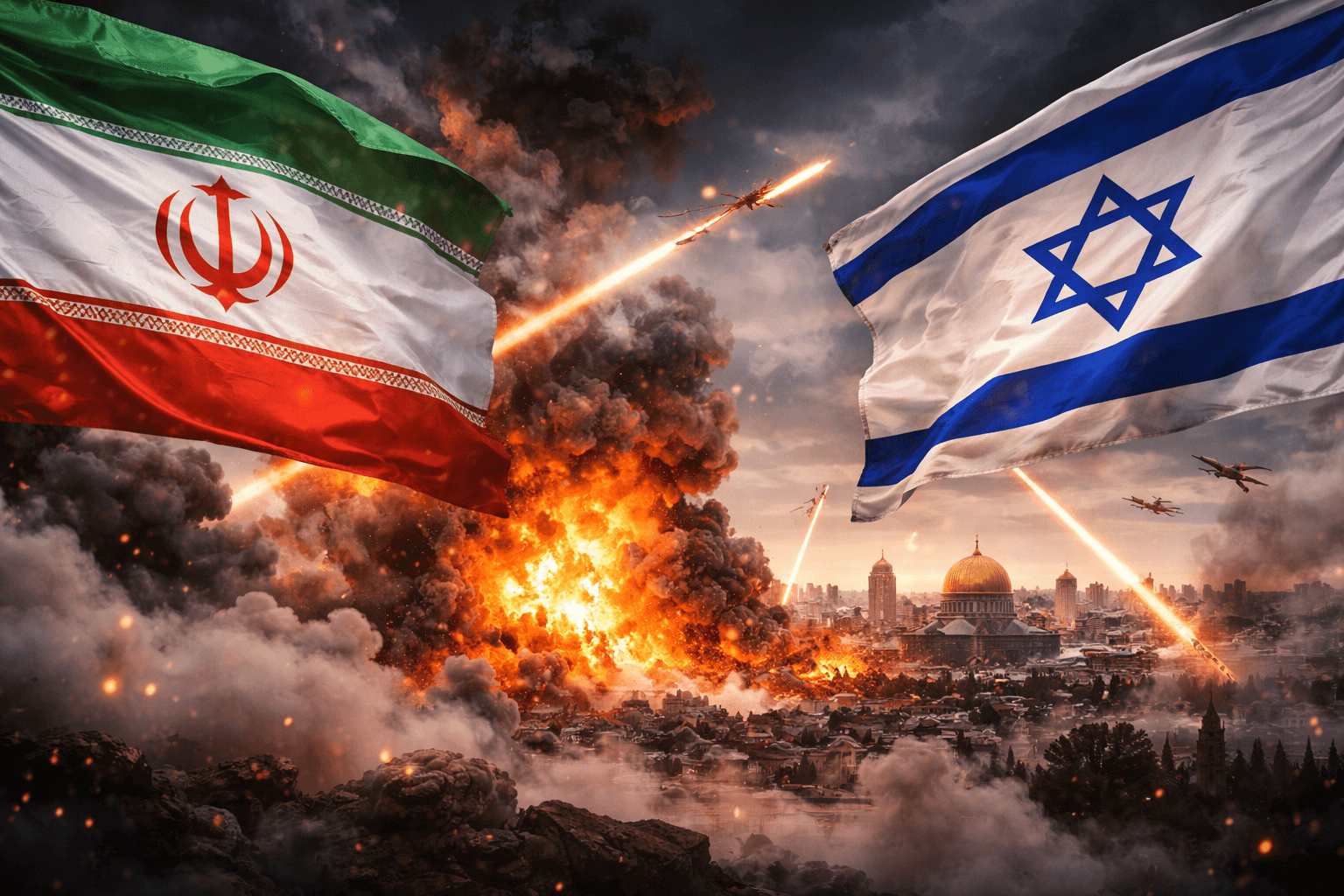
The Iran Israel war has reached a decisive moment. Military strikes, failed nuclear diplomacy, and rising regional alerts now define the crisis. Recent events show a clear shift. Dialogue has stalled. Force has taken the lead.
This escalation follows the collapse of US Iran nuclear talks in Geneva. Shortly after, Israel launched direct strikes on Iranian targets. Tehran responded by raising security levels and issuing warnings. Global markets and policymakers are watching closely.
Why the Conflict Matters Now
Iran and Israel have faced each other indirectly for years. However, the current phase marks a sharper turn. The conflict has moved closer to open confrontation.
For months, the United States pushed for limits on Iran nuclear activity. The goal was clear. Prevent weaponization and stabilize the region. These talks failed to deliver results.
As a result, pressure shifted from diplomacy to deterrence.
you might like this :- Pakistan Afghanistan Conflict Intensifies as Reports Surface of Taliban Leadership Losses
Collapse of US Iran Nuclear Talks
The Geneva negotiations ended without agreement. Iran refused stricter uranium limits. It also demanded sanctions relief upfront.
The United States rejected these conditions. Officials stated that Iran continues enriching uranium beyond civilian needs. Estimates now place enrichment levels near sixty percent purity.
This level significantly reduces breakout time. Consequently, Washington signaled tougher enforcement and stronger alignment with Israel.
Israel Launches Direct Strikes on Iran
Soon after talks collapsed, Israel carried out surprise strikes. Explosions were reported in Tehran and nearby strategic zones. Some blasts occurred close to sensitive government facilities.
Israeli officials described the action as preventive. The strikes aimed to disrupt missile and nuclear related infrastructure. While Israel did not disclose full details, security sources confirmed multiple targets.
now Iran activated air defenses and imposed emergency measures across key cities.
Iran Response and Internal Security Measures
Iran authorities confirmed explosions but limited public disclosure. State media emphasized control and resilience. Security around leadership offices increased sharply.
now Iran also warned that further attacks would trigger broader retaliation. Military units were placed on high alert. Regional proxies were reportedly instructed to prepare.
These steps suggest Iran is positioning for escalation, not restraint.
Role of the United States in the Crisis
The United States denied direct involvement in the strikes. However, it confirmed close coordination with Israel.
Washington has since reinforced military assets in the region. Naval deployments increased. Air defense systems were repositioned to protect allies.
At the same time, new sanctions packages are under review. These measures target Iranian energy exports and financial channels.
Regional and Global Impact
The Iran Israel Hostility has immediate regional consequences. Neighboring states raised security readiness. Airspace monitoring intensified across the Middle East.
Energy markets reacted quickly. Oil prices showed upward pressure due to supply risk concerns. Shipping insurers adjusted premiums for Gulf routes.
Meanwhile, global powers urged restraint. Yet, statements lacked enforcement mechanisms.
Strategic Implications Going Forward
This phase reflects a strategic reset. Israel appears willing to act preemptively. The United States is shifting from negotiation to containment.
Iran faces limited options. Continued escalation risks wider conflict. However, retreat could weaken its regional posture.
Therefore, the conflict now sits at a fragile equilibrium. Small triggers could cause rapid escalation.
What Happens Next
Several scenarios are possible. Limited strikes may continue in cycles. Proxy conflicts could intensify in surrounding regions.
A direct large scale war remains unlikely but possible. Much depends on Iran next move and US response thresholds. Diplomacy may return, but only after strategic signals are exchanged.
The Iran Israel confilt has entered a critical stage. Diplomacy has failed for now. Military action has taken center stage.
This moment will shape Middle East security for years. Leaders face a narrow path. Strategic restraint or regional instability will follow.
The coming weeks will define whether this crisis escalates further or stabilizes under pressure.
Topics
Covering startup news, AI, technology, and business at ThePrimely. Delivering accurate, in-depth reporting on the stories that shape the future.