
US–Iran Nuclear Talks Enter Critical Phase Amid Rising Tensions
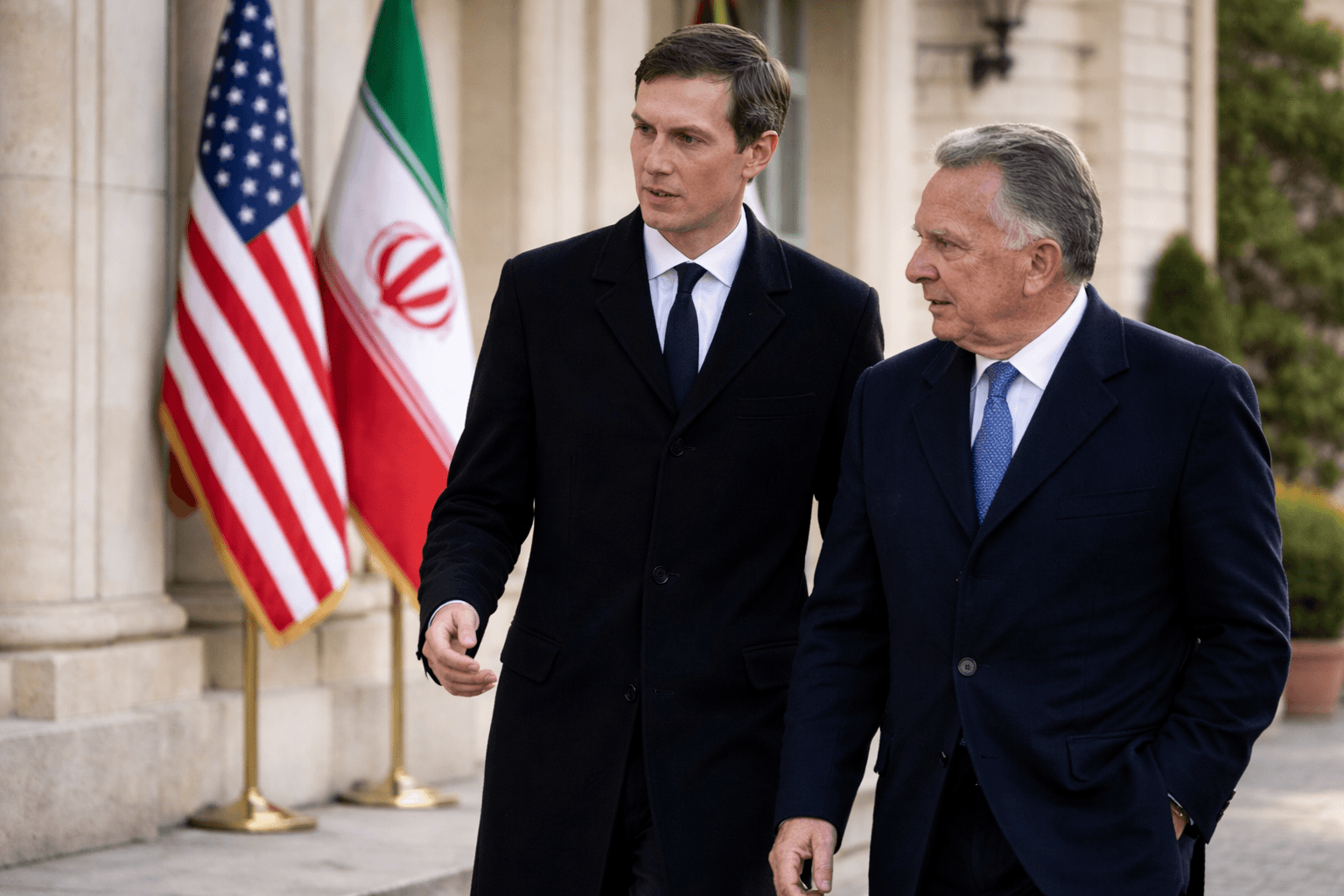
A High-Stakes Diplomatic Moment
The latest round of US Iran nuclear talks is emerging as a decisive moment in global diplomacy.
Officials from both countries are preparing for a new meeting in Geneva, as negotiations intensify.
The talks are seen by many as a last opportunity to reach a deal before potential military escalation.
What Is Happening Now
Negotiators from the United States and Iran are expected to meet soon in Geneva.
However, the talks depend on Iran submitting a detailed nuclear proposal within a short timeframe.
If the proposal is delivered, both sides are ready to begin deeper negotiations.
This conditional approach shows how fragile the process remains.
Background: A Long-Running Nuclear Dispute
The dispute over Iran’s nuclear program has lasted for years.
The United States seeks to prevent Iran from developing nuclear weapons.
Iran insists its program is peaceful and maintains its right to enrich uranium.
Previous agreements have failed to create lasting stability.
This has led to repeated cycles of negotiation and tension.
Key Developments in the Current Talks
1. Iran Signals Willingness for Concessions
Iran has indicated it may reduce its enriched uranium stockpile.
Possible steps include:
- Diluting highly enriched uranium
- Allowing greater international monitoring
- Exploring regional enrichment partnerships
These moves aim to ease concerns and reopen diplomatic pathways.
2. Major Differences Remain
Despite progress, key disagreements continue.
The United States is pushing for strict limits on enrichment.
Iran, however, insists on maintaining its nuclear rights.
These differences remain the main barrier to an agreement.
3. Talks Seen as “Last Chance”
US officials view the upcoming talks as critical.
Some describe them as the final diplomatic window before considering military options.
This adds urgency to the negotiations.
4. Rising Military Pressure
At the same time, military tensions are increasing.
The United States has expanded its presence in the Middle East.
Iran has also signaled readiness to respond to any escalation.
This combination of diplomacy and pressure creates a complex environment.
Industry and Global Impact
Impact on Middle East Stability
The outcome of the talks will directly affect regional stability.
A deal could reduce tensions.
Failure could increase the risk of conflict.
Energy and Global Markets
The Middle East is critical for global energy supply.
Any escalation could affect oil prices and trade routes.
Markets are closely watching the negotiations.
International Diplomacy
The talks involve multiple stakeholders.
Countries and organizations are encouraging a peaceful resolution.
Diplomatic success would strengthen global non-proliferation efforts.
Strategic Implications
1. Nuclear Non-Proliferation at Risk
The talks are central to preventing nuclear weapon development.
Failure could weaken global non-proliferation frameworks.
2. Balance Between Diplomacy and Force
The US strategy combines negotiation with military pressure.
This dual approach aims to push Iran toward a deal.
3. Regional Power Dynamics
Iran’s role in the Middle East is significant.
The outcome of the talks could reshape regional alliances.
Future Outlook
The next steps depend on Iran’s proposal and US response.
Possible scenarios include:
- Progress toward a new nuclear agreement
- Extended negotiations
- Breakdown of talks leading to escalation
Time is a critical factor.
Officials warn that the window for diplomacy is narrowing.
Topics
Covering startup news, AI, technology, and business at ThePrimely. Delivering accurate, in-depth reporting on the stories that shape the future.