
Iran-China Missile Deal Signals Rising Global Tensions
A Strategic Shift in Global Security
The Iran China missile deal is emerging as a critical development in global geopolitics.
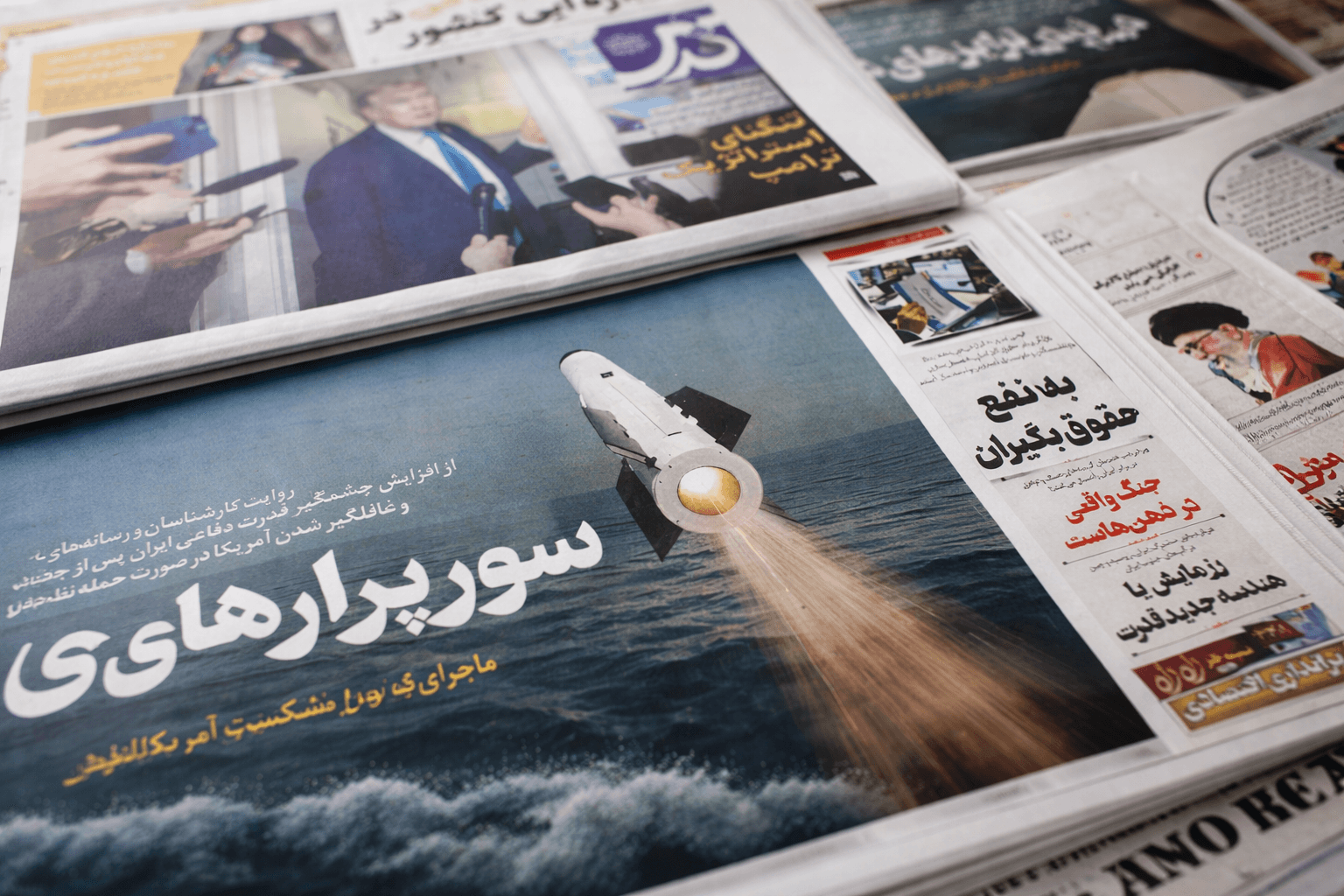
Iran is reportedly close to securing advanced supersonic anti-ship missiles from China.
This move comes at a time of heightened military tension in the Middle East.
The development could significantly alter regional power dynamics.
What Is Happening
Iran is nearing a deal to purchase Chinese-made CM-302 anti-ship cruise missiles.
These missiles have a range of around 290 kilometers.
They are designed to fly at high speeds and evade naval defense systems.
If finalized, the deal would enhance Iran’s ability to target naval forces in the region.
Background Context
Negotiations between Iran and China have been ongoing for at least two years.
However, talks accelerated after recent regional conflicts, including a short war involving Iran and Israel.
At the same time, the United States has increased its military presence near Iran.
This includes deploying naval forces close to Iranian waters.
These developments have intensified strategic competition in the region.
Key Developments
1. Advanced Missile Capabilities
The CM-302 missiles are considered highly advanced.
They travel at supersonic speeds and can evade traditional ship defenses.
Experts suggest these systems could pose a serious threat to naval fleets.
2. Growing China-Iran Military Ties
The deal highlights deeper military cooperation between China and Iran.
China has previously supported Iran through economic and diplomatic channels.
This agreement signals a potential expansion into defense partnerships.
3. Strategic Timing
The timing of the deal is significant.
The United States has issued warnings over Iran’s nuclear program.
There are also concerns about possible military action if negotiations fail.
This creates a complex geopolitical environment.
Industry and Global Impact
Rising Military Competition
The deal could increase military competition in the Middle East.
Countries in the region may respond by strengthening their own defense systems.
Impact on Naval Security
The Persian Gulf is a critical global trade route.
Advanced anti-ship missiles could threaten commercial and military vessels.
This raises concerns for global energy and shipping markets.
Pressure on International Agreements
The potential transfer of advanced weapons challenges existing sanctions frameworks.
It may weaken international efforts to limit missile proliferation.
Strategic Implications
1. Shift in Power Balance
The deal could strengthen Iran’s strategic position.
It may reduce reliance on older defense systems.
2. Expanding China’s Influence
China is increasing its role in global security affairs.
This move signals its growing presence in the Middle East.
3. Increased Risk of Conflict
Higher military capability increases the risk of escalation.
Miscalculations could lead to broader conflict.
Future Outlook
The outcome of the Iran China missile deal remains uncertain.
China has not officially confirmed the agreement.
However, ongoing talks suggest serious intent.
If completed, the deal could reshape military dynamics in the region.
It may also influence future negotiations between Iran and Western powers.
Topics
Covering startup news, AI, technology, and business at ThePrimely. Delivering accurate, in-depth reporting on the stories that shape the future.