
Why Did India’s Russian Oil Imports Surge 90% in March and What Does It Signal for Global Energy Markets?
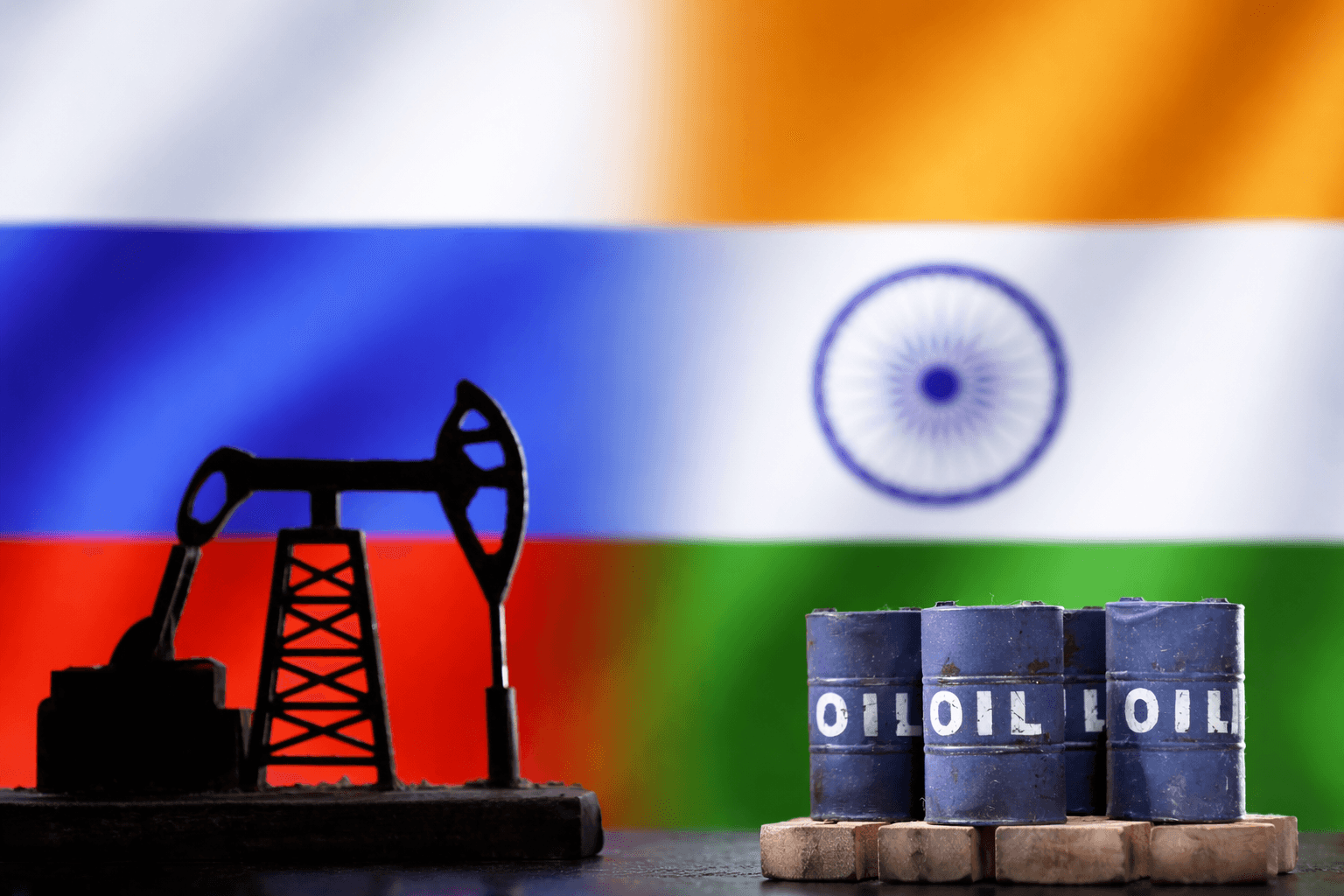
India Russian oil imports have surged sharply, rising nearly 90% in March. This shift did not happen in isolation. It reflects deeper changes in global energy flows driven by geopolitical tension and supply disruption.
The spike comes at a time when traditional oil routes face uncertainty. As a result, India has moved quickly to secure stable and cost effective supplies.
What Triggered the Sudden Surge in India Russian Oil Imports
The primary driver is disruption in global supply chains. Tensions in the Middle East, especially around critical shipping routes, have affected oil movement. The Strait of Hormuz, a key artery for global oil trade, has faced instability. This has reduced confidence in supplies from the region. Consequently, India increased purchases from Russia, which offers more predictable delivery channels.
At the same time, Russia has actively expanded its energy outreach. It offered additional crude and LNG volumes to India during bilateral discussions. This ensured supply continuity at competitive pricing.

How Russia Became India’s Preferred Oil Supplier
Russia has steadily strengthened its position in India’s energy basket. Since Western sanctions reshaped global trade flows, Russian crude has become more accessible to Asian buyers. India has leveraged this shift effectively. Russian oil often comes at discounted rates compared to global benchmarks. Therefore, refiners see strong economic incentives.
Moreover, logistical adjustments have improved. Shipping routes and payment mechanisms have adapted over time. This has made transactions smoother despite global restrictions.
What the Data Reveals About India’s Oil Strategy
The 90% jump in imports during March is significant. It highlights a clear shift in sourcing strategy. At the same time, India diversified its supply base. Angola has emerged as the third largest oil supplier. This indicates that India is not relying on a single source. Instead, it is building a flexible procurement model. This approach reduces risk and improves bargaining power.
Industry Impact and Market Reactions
The surge in India Russian oil imports has broader implications. Global oil markets are adjusting to new demand patterns. First, traditional suppliers in the Middle East face reduced share in some Asian markets. Second, shipping dynamics are changing as longer routes become more common.
Additionally, price benchmarks may face pressure. Increased demand for discounted crude can influence global pricing structures. For refiners, margins remain favorable. Lower input costs help maintain profitability despite volatile global conditions.
Strategic Implications for India’s Energy Security
India’s response reflects a pragmatic strategy. Energy security remains a top priority. By increasing imports from Russia, India ensures supply stability. At the same time, diversification efforts reduce overdependence on any region.
This dual approach strengthens resilience. It allows India to navigate geopolitical uncertainty without major disruption to domestic markets. Furthermore, the move signals a shift toward more independent energy decision making. India is prioritizing economic and strategic interests over external pressures.
What This Means for the Road Ahead
Global energy markets are entering a new phase. Supply chains are no longer stable or predictable. India’s actions suggest that future strategies will focus on flexibility. Countries will seek multiple suppliers and adaptable logistics. Russia, meanwhile, will continue targeting Asian markets. This partnership could deepen if current trends persist.
However, risks remain. Geopolitical tensions could escalate further. Shipping routes may face additional disruptions. Therefore, continuous adjustment will be essential. India Russian oil imports have surged not by chance but by design. The move reflects calculated decision making in a volatile global environment.
India has balanced cost, supply security, and diversification. This positions the country strongly in an uncertain energy landscape. The broader message is clear. Energy strategies are becoming more dynamic, and nations that adapt quickly will gain the most advantage.
FAQ's
Q1. Why did India increase Russian oil imports so sharply?
India increased imports due to supply disruptions in the Middle East and better pricing from Russia.
Q2. How much did India Russian oil imports rise?
Imports rose by nearly 90% in March, marking a significant month on month increase.
Q3. Is India dependent only on Russian oil now?
No. India is diversifying sources, with countries like Angola also gaining importance.
Q4. How does this affect global oil markets?
It shifts demand patterns, impacts pricing, and changes traditional supply routes.
Q5. What is the long term strategy behind this move?
India aims to ensure energy security through diversification, cost efficiency, and flexible sourcing.
Topics
Covering startup news, AI, technology, and business at ThePrimely. Delivering accurate, in-depth reporting on the stories that shape the future.