
BJP announces 27 candidates for Tamil Nadu Assembly elections
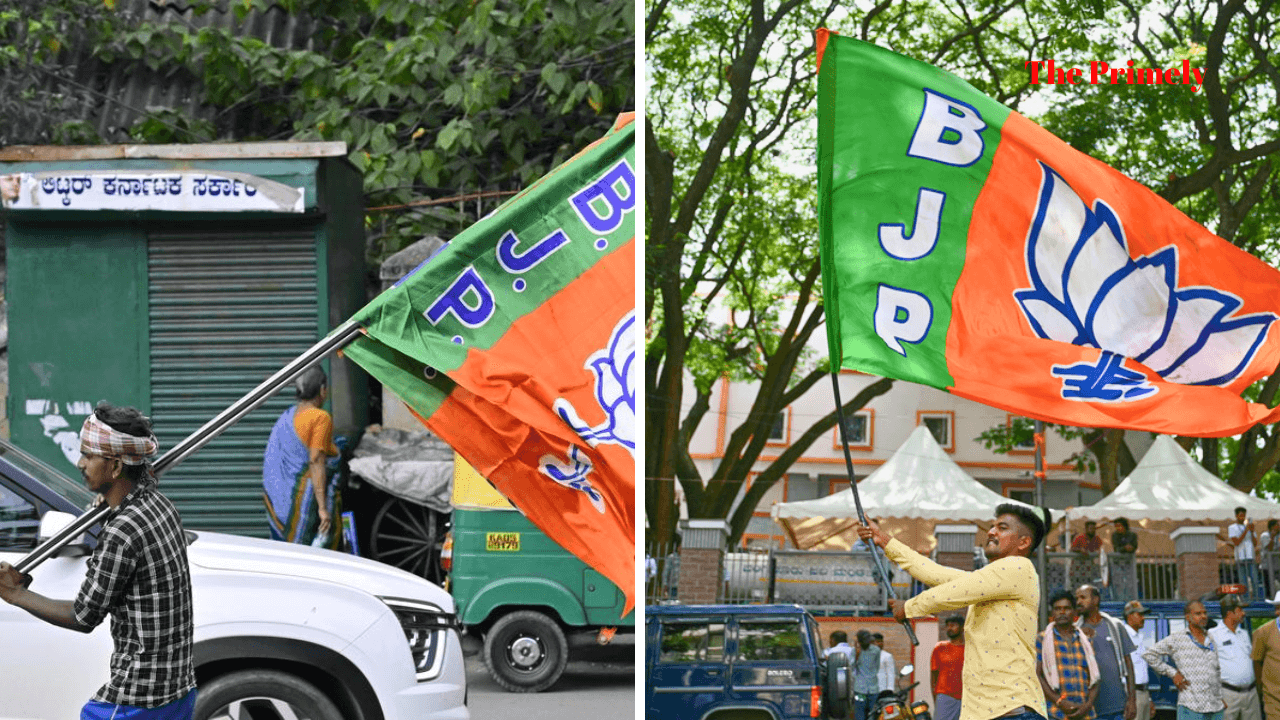
The Assembly Polls 2026 have entered a decisive phase, with multiple states witnessing intense political activity and rising voter engagement. As polling and campaigning unfold simultaneously, the elections are shaping into a critical test for both ruling parties and opposition alliances.
Across Kerala, Tamil Nadu, West Bengal, and Puducherry, early developments suggest a closely watched contest where regional dynamics and national narratives are intersecting. The evolving picture reflects not just political competition but also deeper shifts in voter priorities.
Key Developments Across States
The Assembly Polls 2026 are marked by high voter participation in several regions, indicating strong public interest in governance and policy outcomes. In states like Kerala and Tamil Nadu, the focus remains on continuity versus change, while West Bengal continues to reflect a polarized political environment.
Puducherry presents a unique scenario where coalition strategies are playing a central role. Here, smaller parties and alliances could significantly influence the final outcome.
The overall trend suggests that voter turnout is being driven by issues such as economic stability, welfare policies, and regional identity.
Political Strategies and Alliances
One of the defining features of the Assembly Polls 2026 is the strategic realignment of alliances. Political parties are not only competing but also adapting their approach to local realities.
In several constituencies, alliances have been reshaped to consolidate vote banks and counter emerging challenges. Campaign narratives are increasingly focused on development promises, governance track records, and targeted outreach.
This phase highlights how political parties are balancing national messaging with state-specific concerns to maximize their appeal.
Voter Sentiment and Issues
The Assembly Polls 2026 reveal a more informed and issue-driven electorate. Voters are evaluating candidates based on performance, credibility, and their ability to address local challenges.
Economic concerns, employment opportunities, and infrastructure development remain central themes across all states. Social welfare schemes and public services are also influencing voter decisions.
Impact on Political Landscape
The outcome of the Assembly Polls 2026 is expected to have significant implications for India’s political landscape. These elections will shape regional power structures and influence future policy directions.
For national parties, the results could redefine their strategy ahead of upcoming general elections. Regional parties, on the other hand, are looking to strengthen their position and expand their influence.
Strategic Implications and Emerging Trends
The Assembly Polls 2026 underline the importance of adaptability in political strategy. Parties that effectively combine grassroots engagement with clear policy communication are gaining an advantage.
Digital campaigning and targeted outreach are also playing a larger role, reflecting changes in how voters consume information.
Topics
Covering startup news, AI, technology, and business at ThePrimely. Delivering accurate, in-depth reporting on the stories that shape the future.