
Pentagon Moves to Replace Army Chief Amid Iran Conflict: What It Signals for US Military Strategy
A Sudden Leadership Shift Raises Strategic Questions
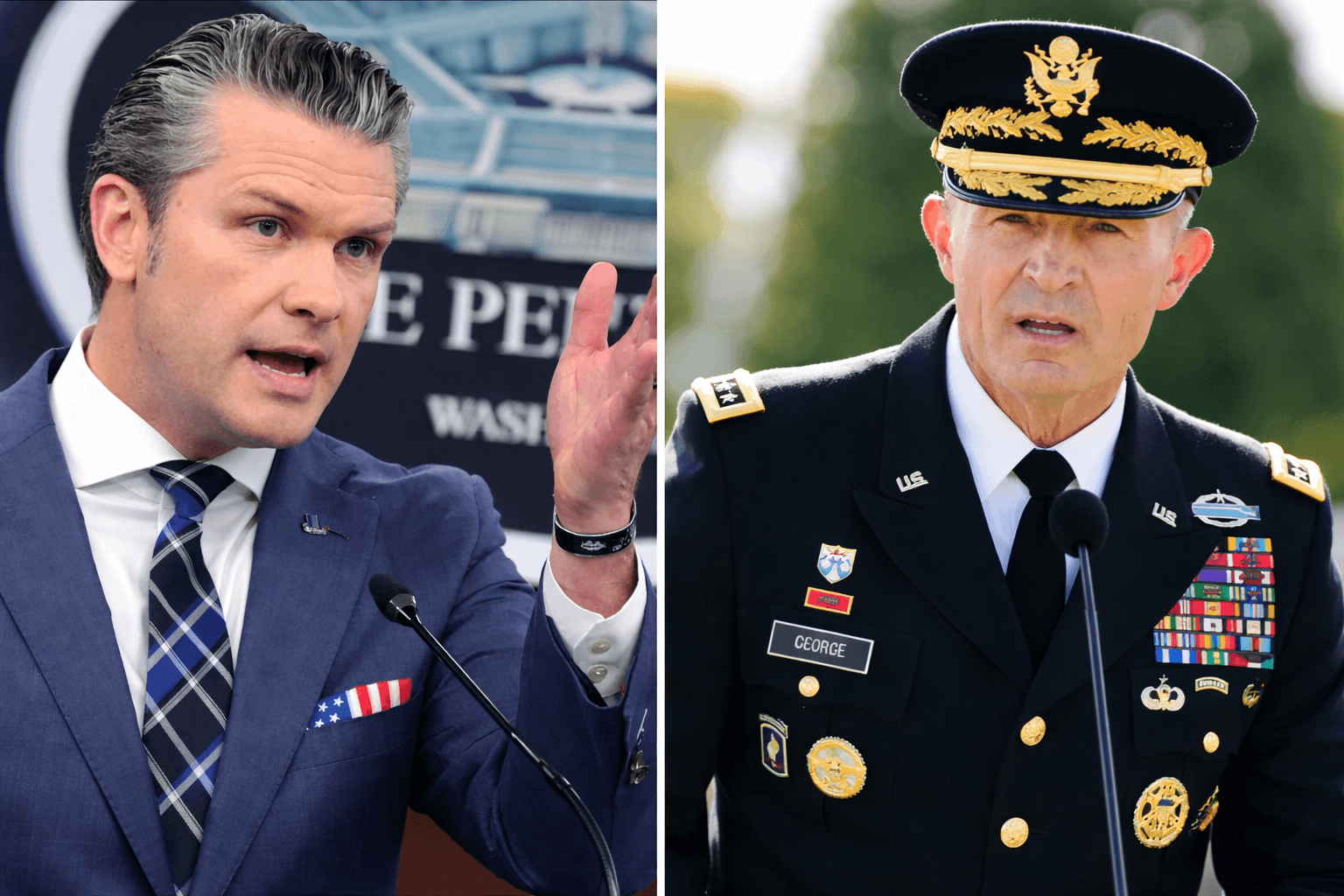
The Pentagon’s request for Army Chief Randy George’s early retirement has triggered intense scrutiny. The move comes during an active conflict involving Iran. This timing is critical. It signals urgency at the highest levels of US defense leadership. Pentagon Moves to Replace Army Chief Amid Iran Conflict , The decision is not routine. Military leadership transitions rarely occur during active geopolitical tensions. Therefore, this development points to deeper strategic recalibration within the US defense framework.
Understanding the Situation Behind the Decision
Reports confirm that the Pentagon has formally asked General Randy George to step down. The request appears linked to ongoing military operations and strategic disagreements. While official statements remain measured, the context is clear. The US is navigating a complex and evolving conflict involving Iran. This requires precise coordination and decisive leadership.
Moreover, leadership changes during such periods often reflect internal assessments. These may include operational performance, strategic alignment, or future readiness priorities.
Rising Tensions in the US–Iran Conflict
The US–Iran conflict has intensified in recent months. Military posturing has increased across key regions. Strategic waterways like the Strait of Hormuz remain critical. This region handles a significant share of global oil shipments. Any disruption can impact global markets instantly. As a result, US military leadership plays a vital role. Decisions must balance deterrence, escalation control, and alliance coordination.
Key Developments Driving the Leadership Change
The Pentagon’s move suggests a broader leadership overhaul. Defense Secretary Pete Hegseth has reportedly taken a proactive stance. He aims to align military leadership with evolving operational goals. This reflects a shift toward faster decision making. It also signals tighter control over military strategy execution.
Furthermore, such changes often indicate a need for fresh perspectives. In high pressure conflict scenarios, adaptability becomes critical.
Strategic and Market Implications
This leadership shift has wider implications beyond the military. First, it signals instability in command structure during a sensitive period. Markets often react to such signals. Second, defense contractors and global partners will closely monitor changes. Leadership continuity affects procurement, planning, and alliance trust. Third, adversaries may interpret this move as either strategic strengthening or internal friction. Perception plays a key role in geopolitical conflicts.
What This Means for US Military Direction
The Pentagon Army Chief retirement decision suggests a recalibration of priorities. It may indicate a shift toward more aggressive or more controlled engagement strategies.
At the same time, it reflects the Pentagon’s intent to maintain command efficiency. Leadership alignment becomes essential when stakes are high. Importantly, this move also reinforces civilian oversight in military operations. Strategic direction ultimately rests with political leadership.
A Calculated Move with Global Implications
The Pentagon’s request for Army Chief Randy George’s retirement is not an isolated event. It reflects deeper strategic adjustments within the US military. The timing underscores urgency. The context highlights complexity.
As the Iran conflict evolves, leadership decisions like this will shape outcomes. They will influence both battlefield dynamics and global perceptions. In the end, this move is less about an individual and more about direction. The Pentagon is signaling that alignment, speed, and clarity now matter more than ever.
FAQ's
Why did the Pentagon ask Randy George to retire?
The request appears linked to strategic alignment during the ongoing Iran conflict. It reflects leadership reassessment.
Is this a common move during conflicts?
No. Leadership changes during active conflicts are rare. They usually indicate urgent strategic shifts.
How does this impact the US military?
It may improve alignment and decision making. However, it also introduces short term uncertainty.
What are the global implications?
Global markets, allies, and adversaries will closely watch this move. It affects perception and strategic confidence.
Will this change US strategy toward Iran?
Possibly. Leadership changes often lead to adjustments in military approach and execution.
Topics
Covering startup news, AI, technology, and business at ThePrimely. Delivering accurate, in-depth reporting on the stories that shape the future.