
India Is Joining UK-led Hormuz Talks and What Does It Mean for Global Energy and Trade Stability?
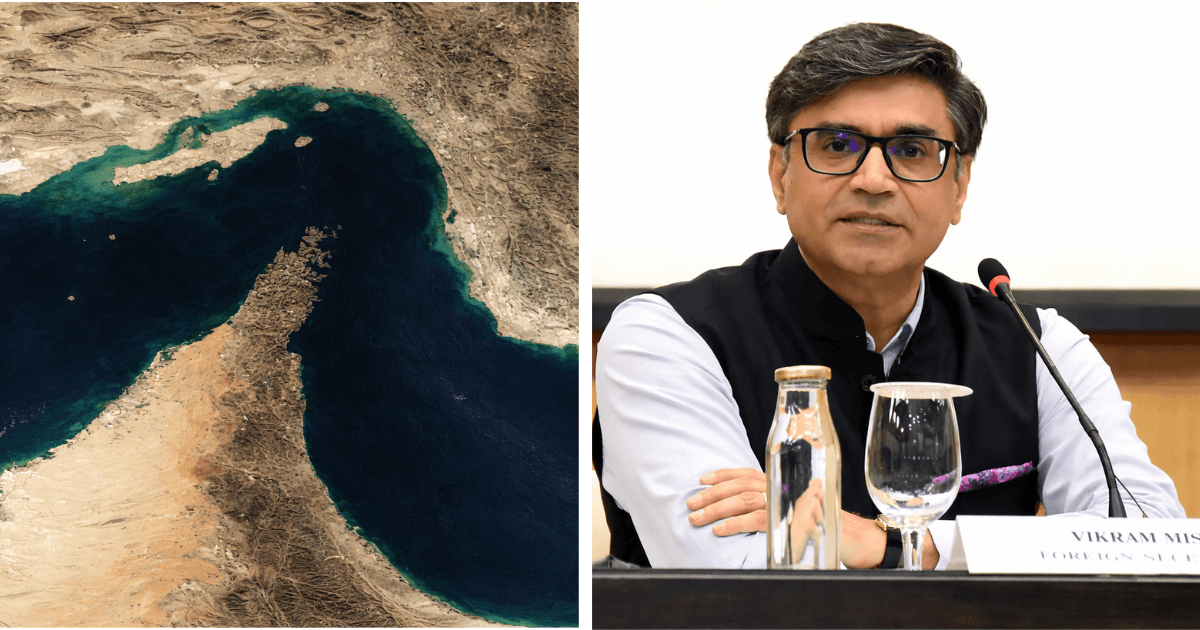
India Hormuz talks have emerged at a critical moment for global geopolitics. As tensions rise around the Strait of Hormuz, major economies are moving quickly to secure vital trade routes. India’s participation in UK led discussions signals both urgency and strategic intent.
The stakes are high. Nearly a fifth of global oil supply passes through this narrow waterway. Any disruption can shake energy markets and global trade.
Understanding the Situation Around the Strait of Hormuz
The Strait of Hormuz connects the Persian Gulf to the Arabian Sea. It is one of the most important oil transit chokepoints in the world. A significant portion of crude exports from the Middle East flows through this route. Recent tensions linked to the Iran conflict have increased risks in the region. As a result, concerns over shipping safety and energy supply disruptions have intensified.
India, which imports a large share of its oil, faces direct exposure. Therefore, its involvement in diplomatic efforts is both necessary and strategic.
Key Developments in India Hormuz Talks
India has joined a coalition of nations in talks hosted by the United Kingdom. The objective is clear. Countries aim to explore ways to ensure safe navigation and potentially reopen secure maritime routes if disruptions occur. Foreign Secretary Vikram Misri is representing India in these discussions. This reflects the seriousness of India’s engagement at the diplomatic level.
Notably, some major global players are not part of the talks. This absence adds complexity to negotiations and highlights differing strategic priorities.
Why India’s Role Matters Now
Energy Dependence Drives Urgency
India relies heavily on oil imports from the Middle East. A disruption in the Strait of Hormuz can increase fuel prices and strain the economy. Therefore, India must act early. Participation in these talks allows it to shape outcomes rather than react later.
Trade Stability Is at Risk
The Strait is not just about oil. It also supports broader trade flows. Any instability can disrupt shipping routes, increase freight costs, and delay supplies. India’s growing economy depends on stable trade channels. Hence, ensuring maritime security becomes a top priority.
Strategic Diplomatic Positioning
India’s involvement also strengthens its global diplomatic standing. It positions the country as a responsible stakeholder in maintaining international stability. At the same time, it balances relations with multiple global powers. This is crucial in a complex geopolitical environment.
Global and Market Implications
The outcome of these talks can influence global oil prices. Even minor disruptions in the Strait of Hormuz can lead to sharp price spikes. Markets are already sensitive to geopolitical risks. Therefore, coordinated action by countries can help stabilize expectations.
For businesses, especially in energy intensive sectors, this situation demands close monitoring. Supply chain resilience is becoming more important than ever.
Strategic Outlook on Maritime Security and Energy Flow
The current situation highlights a broader shift. Energy security is no longer just about supply contracts. It now includes geopolitical risk management and maritime control. Countries are likely to increase cooperation on naval security and shipping protection. At the same time, diversification of energy sources may accelerate.
India, in particular, may expand its focus on strategic reserves and alternative energy partnerships. India Hormuz talks reflect a decisive moment in global diplomacy. The country is not just protecting its energy needs. It is actively shaping outcomes in a fragile geopolitical landscape.
The Strait of Hormuz remains a critical artery for global trade. Ensuring its stability is essential for economic balance worldwide. India’s participation signals readiness. It also shows a clear understanding that energy security now begins at the geopolitical level.
FAQ's
Why is the Strait of Hormuz important?
It carries nearly 20 percent of global oil supply, making it a critical energy route.
Why has India joined these talks?
India aims to secure energy imports and ensure safe maritime trade routes.
Who is representing India?
Foreign Secretary Vikram Misri is attending the UK led discussions.
What risks are involved in the current situation?
Geopolitical tensions, especially involving Iran, threaten shipping safety and oil supply.
How can this impact global markets?
Disruptions can raise oil prices and increase global economic uncertainty.
What could be the long term impact?
Countries may strengthen maritime cooperation and diversify energy sources to reduce risk.
Topics
Covering startup news, AI, technology, and business at ThePrimely. Delivering accurate, in-depth reporting on the stories that shape the future.