
Putin likely to attend September BRICS summit in Delhi, says Russian Deputy Foreign Minister
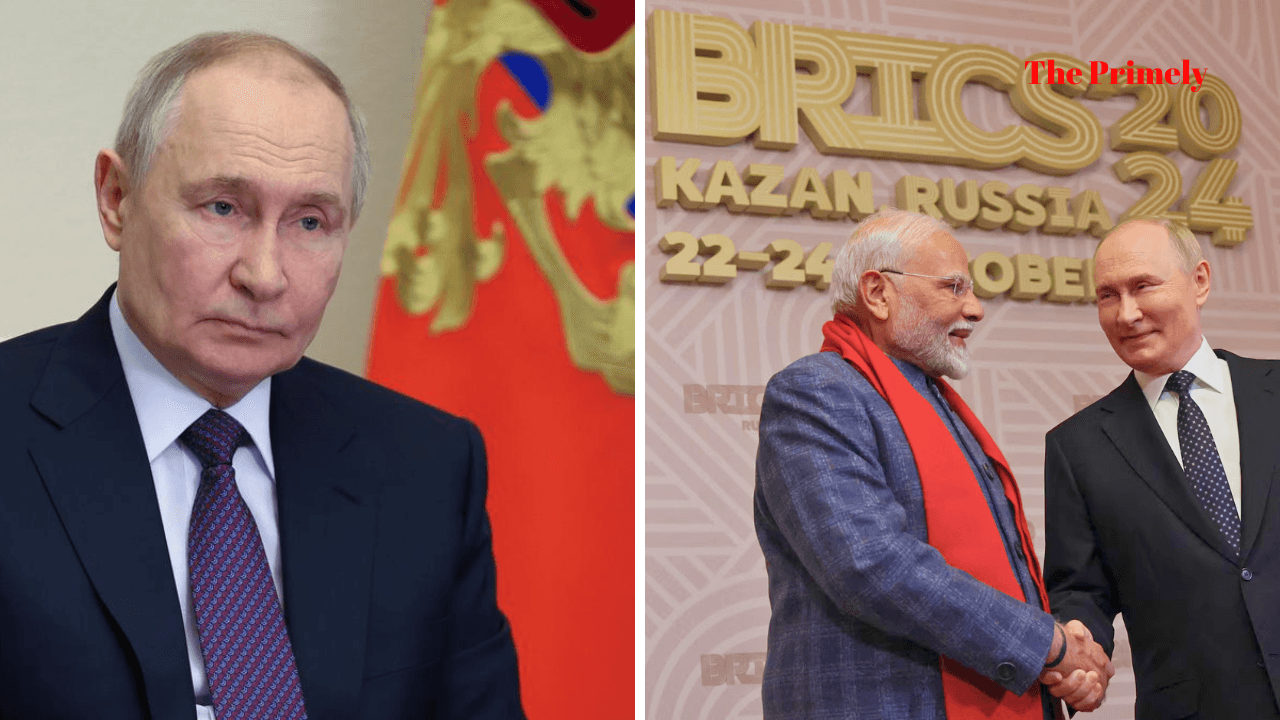
Russia’s indication that President Vladimir Putin may attend the upcoming BRICS summit in Delhi is more than a diplomatic update. It reflects a deeper shift in global alliances and signals renewed engagement between India and Russia at a time of evolving geopolitical tensions.
The possibility of Putin’s presence at the summit, expected later this year, comes amid ongoing global uncertainty. It highlights how BRICS is becoming a more active platform for shaping international dialogue beyond traditional Western-led institutions.
Why Putin’s Participation Matters
The Putin BRICS Summit Delhi development stands out because of recent patterns in international diplomacy. In the past, Russia’s top leadership has occasionally avoided global summits due to legal and political pressures. A physical visit to India would therefore indicate a calculated move to strengthen strategic partnerships and reassert global positioning.
Russia’s deputy foreign minister has confirmed that preparations are underway, suggesting serious intent rather than a tentative possibility. This aligns with broader signals from Moscow that it values continued high-level engagement with India.
India, for its part, remains a central player within BRICS. Hosting the summit gives New Delhi an opportunity to shape discussions on economic cooperation, security, and emerging global frameworks.
The India-Russia Context
India and Russia share what both sides describe as a “special and privileged strategic partnership.” Over decades, this relationship has been built on defence cooperation, energy ties, and political coordination in multilateral forums.
Recent interactions between the two countries have reinforced this connection. High-level visits, including Putin’s trip to India last year, have produced agreements across sectors such as trade, technology, and energy.
Putin’s expected visit for the BRICS summit would further deepen this relationship. It would also reaffirm India’s role as a key partner for Russia at a time when global alliances are being reshaped.
BRICS and a Changing Global Order
The BRICS grouping—comprising Brazil, Russia, India, China, and South Africa—has expanded its relevance in recent years. It increasingly serves as a platform for countries seeking alternatives to Western-dominated economic and political systems.
The upcoming summit in Delhi is expected to address several pressing issues. These include trade mechanisms, financial cooperation, and the role of emerging economies in global governance.
Putin’s potential attendance adds weight to these discussions. It suggests that Russia sees BRICS not just as a symbolic grouping but as a strategic tool for influencing global policy direction.
Strategic Implications for India
For India, hosting the summit with Putin in attendance carries both opportunity and complexity. On one hand, it strengthens India’s position as a bridge between global powers. On the other, it requires careful diplomatic balancing amid tensions between major economies.
India has consistently pursued a multi-aligned foreign policy. Engaging with Russia while maintaining ties with Western partners reflects this approach. The BRICS summit offers a platform where this balancing act becomes visible.
A confirmed visit by Putin would signal India’s continued commitment to independent diplomacy and its role in shaping a more multipolar world.
What Comes Next
While final confirmation of Putin’s participation is still awaited, the signals from Moscow indicate a strong likelihood. As preparations for the BRICS summit progress, attention will focus on how India positions itself within the evolving global landscape.
The outcome of the summit will depend not just on attendance but on the substance of discussions. Issues such as economic cooperation, global governance reform, and geopolitical stability will define its impact.
Topics
Covering startup news, AI, technology, and business at ThePrimely. Delivering accurate, in-depth reporting on the stories that shape the future.