
Israel-US War on Iran: One Month Timeline
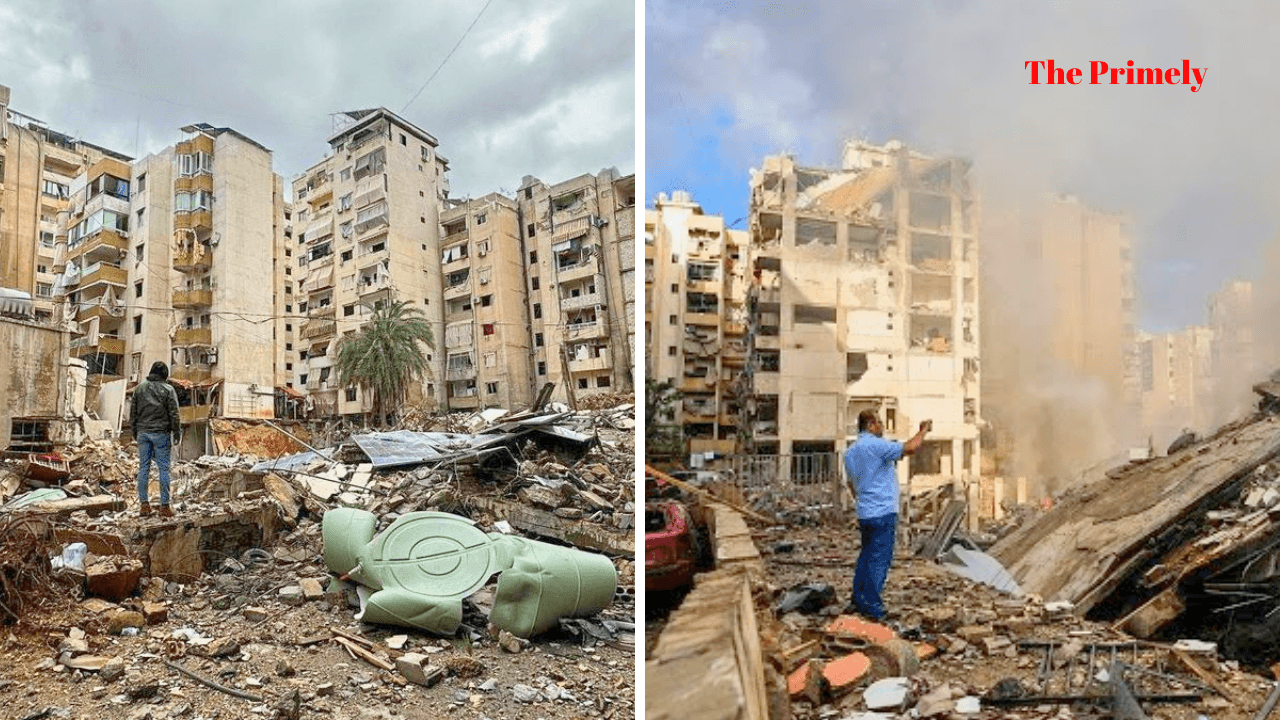
The Israel US Iran war timeline reveals how a sudden military strike escalated into a full-scale regional conflict within weeks. What began as a targeted operation has now evolved into a multi-front confrontation involving several countries, disrupting global energy and security systems.
After one month of continuous escalation, the conflict shows no clear path to resolution, with both military and diplomatic efforts unfolding simultaneously.
How the Conflict Began
The war began on February 28, 2026, when the United States and Israel launched coordinated airstrikes across Iran. The attacks targeted military installations, nuclear facilities, and key leadership figures.
The initial assault reportedly involved over 100 aircraft and hit more than 1,000 targets within the first 24 hours, aiming to weaken Iran’s strategic capabilities.
The strikes marked a major escalation in long-standing tensions over Iran’s nuclear programme and regional influence.
Iran’s Immediate Retaliation
Iran responded quickly with missile and drone attacks targeting Israel, US bases, and allied countries across the Middle East.
These strikes extended beyond Israel to locations in the Gulf region, including Saudi Arabia, Qatar, and the UAE, highlighting the widening scope of the conflict.
The retaliation demonstrated Iran’s ability to project force across multiple fronts despite initial losses.
Expansion into a Regional Conflict
Within days, the war expanded beyond direct US-Iran confrontation. Hezbollah in Lebanon and Houthi forces in Yemen became increasingly involved, opening new fronts in the conflict.
Houthi attacks on Israel and threats to key shipping routes added a maritime dimension, raising concerns about global trade disruptions.
At the same time, Israel intensified strikes on Iran-linked targets across the region, including Lebanon.
Escalation and Strategic Strikes
As the weeks progressed, both sides escalated their military operations. Israel and the US continued targeting missile infrastructure, command centers, and strategic facilities inside Iran.
Reports indicate that several missile production sites and launch facilities were severely damaged, reducing Iran’s ability to sustain large-scale attacks.
However, Iran continued launching retaliatory strikes, showing resilience despite sustained pressure.
Global Impact and Economic Risks
The conflict quickly affected global systems, particularly energy and trade. Attacks near critical shipping routes such as the Strait of Hormuz raised fears of supply disruptions.
Oil markets reacted sharply, while international shipping faced increased risks, forcing rerouting and higher costs.
These developments highlight how regional conflicts can rapidly trigger global economic consequences.
Diplomatic Efforts and Uncertainty
Amid ongoing military action, diplomatic efforts have attempted to de-escalate the situation. The United States has proposed peace frameworks, while countries like Turkey, Egypt, and Pakistan have engaged in backchannel talks.
Despite these efforts, no clear agreement has emerged, and both sides continue to pursue military objectives alongside negotiations.
This dual-track approach reflects the complexity of resolving a conflict with deep geopolitical roots.
Topics
Covering startup news, AI, technology, and business at ThePrimely. Delivering accurate, in-depth reporting on the stories that shape the future.