
Musk OpenAI Trial: What Sparked the $100 Billion Clash and Why It Matters Now
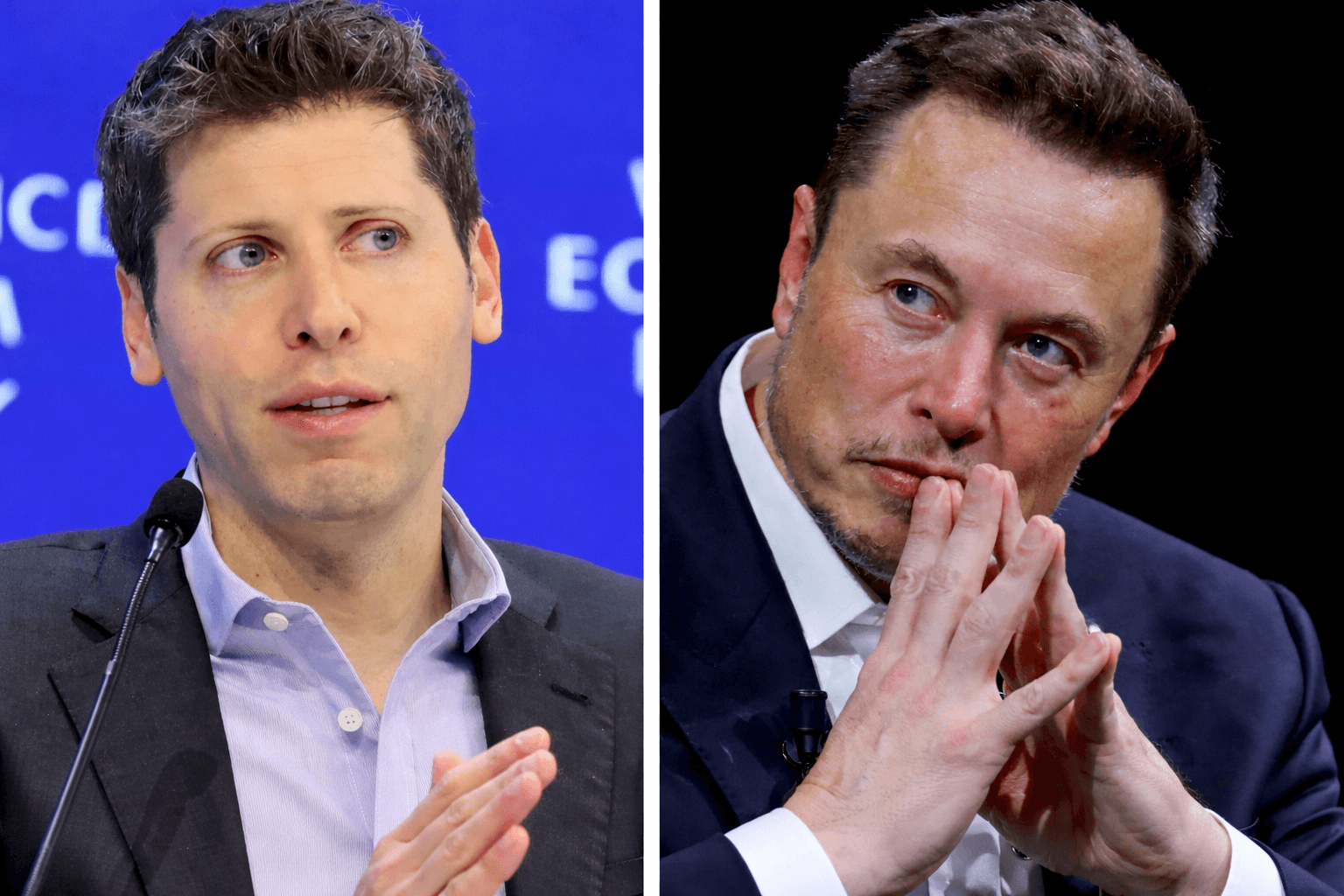
A High Stakes Clash Reshaping AI Power Dynamics
The Musk OpenAI trial is emerging as one of the most critical legal battles in the AI industry. Elon Musk now faces accusations of an “ambush” ahead of a case tied to the structure and direction of OpenAI.
The dispute centers on governance, control, and the future valuation of one of the world’s most influential AI firms. As tensions rise, the outcome could reshape the competitive landscape of artificial intelligence.
What Exactly Triggered the Dispute
At the core, the conflict stems from disagreements over OpenAI’s transition from a non profit mission to a capped profit model. Musk, a co founder, has been critical of this shift. He argues that the organization has moved away from its original purpose. Meanwhile, OpenAI leadership maintains that the structure supports scaling advanced AI responsibly.
Recent accusations suggest that Musk attempted a strategic move before the trial. Opposing parties have described it as an “ambush,” intensifying the legal and public narrative.
From Collaboration to Conflict
Elon Musk helped establish OpenAI with a vision of open and safe AI development.
However, he later distanced himself from the organization. Since then, the relationship has evolved into direct competition, especially as Musk launched his own AI ventures. This shift from partnership to rivalry provides essential context for the current legal confrontation.
Key Developments Leading to the Trial
The dispute has escalated around valuation and governance rights. Reports highlight a figure close to $100 billion linked to OpenAI’s perceived market value.
Additionally, both sides are positioning their arguments around ethical AI development. Musk emphasizes transparency and safety. OpenAI leadership focuses on scalability and innovation. The accusation of an “ambush” adds a tactical layer. It suggests legal maneuvering rather than purely ideological disagreement.
A Defining Moment for AI Competition
This case extends beyond two parties. It directly affects how AI companies operate and compete. If Musk’s arguments gain traction, governance models across the sector may face scrutiny. Conversely, if OpenAI’s stance prevails, it could validate hybrid profit structures for advanced AI firms.
Moreover, investor confidence may shift based on the outcome. Large valuations in AI depend heavily on trust, regulation, and long term vision.
Control Versus Mission in AI
The central issue is not just legal. It is strategic. The AI industry is balancing two forces. One is rapid innovation. The other is responsible governance.
Musk represents a push toward stricter alignment with original principles. OpenAI represents adaptation to scale and funding realities. This tension will likely define the next phase of AI development.
What This Signals for the Future of AI Leadership
The trial highlights a broader transition in leadership models within AI companies. Founders are no longer the sole drivers of direction. Instead, complex governance structures now shape decisions. This creates both stability and friction. While it enables scale, it also introduces conflicts over vision and control.
A Turning Point Beyond One Lawsuit
The Musk OpenAI trial is more than a legal dispute. It reflects a fundamental shift in how AI organizations evolve. The outcome will influence governance standards, investment flows, and competitive strategies.
For industry leaders, the message is clear. Vision alone is not enough. Execution, structure, and alignment now define success in artificial intelligence.
FAQ's
What is the Musk OpenAI trial about
It focuses on governance, control, and OpenAI’s transition to a profit linked structure.
Why is Elon Musk involved
He is a co founder who disagrees with the company’s current direction and structure.
What does the $100 billion figure represent
It reflects OpenAI’s estimated valuation and its strategic importance in the AI market.
What are the main accusations
Musk has been accused of making a strategic legal move described as an “ambush” before the trial.
How will this impact the AI industry
The outcome could reshape governance models, competition, and investor confidence across AI companies.
Topics
Covering startup news, AI, technology, and business at ThePrimely. Delivering accurate, in-depth reporting on the stories that shape the future.