
E20 Petrol India Shift from April 1 ,Why Should Every Car Owner Pay Attention Now?
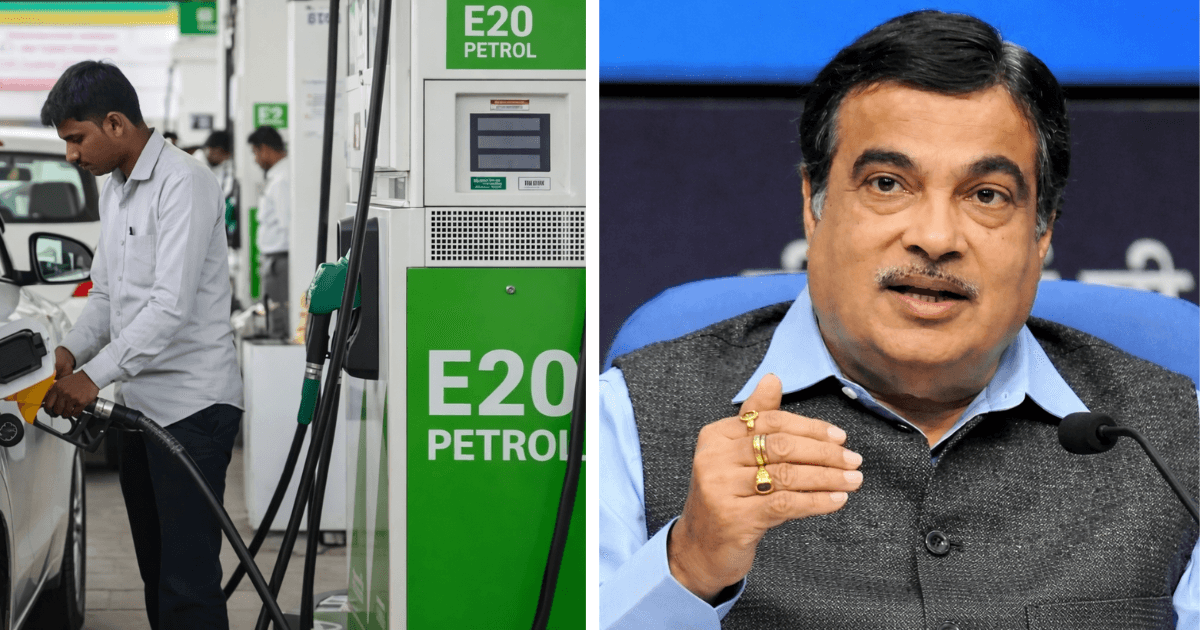
India has entered a decisive phase in its energy transition. From April 1, E20 petrol has become the standard fuel across the country. This is not a minor upgrade. It is a structural shift in how India powers mobility. E20 petrol in India refers to fuel blended with 20 percent ethanol and 80 percent petrol. This replaces the earlier E10 blend and marks a major policy acceleration.
The move is designed to reduce oil imports, cut emissions, and support domestic agriculture. Yet, for millions of vehicle owners, the immediate question is simple. What changes now?
Understanding E20 Petrol India and the Policy Shift
The government has mandated that all petrol pumps supply E20 fuel with a minimum RON 95 rating. This ensures better combustion stability despite higher ethanol content. RON, or Research Octane Number, measures resistance to engine knocking. A higher value improves engine efficiency and protects components under pressure.
This transition completes a roadmap that began years ago under India’s ethanol blending programme. The goal was to reach 20 percent blending ahead of schedule. Now, that goal is reality.
What Changes for Your Car Immediately
The impact depends on your vehicle’s manufacturing year and compatibility. New vehicles, especially those made after 2023, are largely E20 compliant. These engines are tuned to handle higher ethanol levels without performance loss.
Older vehicles face a more complex situation. Ethanol is more corrosive than petrol. It can affect rubber components, fuel lines, and engine parts over time.
There are also efficiency considerations. Some reports indicate a potential mileage drop of 2 to 4 percent in non compatible vehicles. However, the government maintains that performance remains stable for most users, with minimal long term risks.
Why India Is Pushing Ethanol Blended Fuel
This shift is not only about vehicles. It is about national strategy. India imports a large portion of its crude oil. By increasing ethanol use, the country reduces dependence on global oil markets. At the same time, ethanol production supports farmers. It is derived from crops like sugarcane and maize, creating a direct economic link between agriculture and energy.
Environmental benefits are equally important. Ethanol burns cleaner than petrol. This reduces greenhouse gas emissions and urban pollution levels. Thus, E20 petrol is both an economic and environmental decision.
Industry Impact and Market Implications
The automobile industry has already started adapting. Manufacturers are now producing E20 compatible engines as a standard. Oil companies have upgraded infrastructure to handle ethanol blending and distribution nationwide. This includes storage, transportation, and quality control systems.
However, the transition creates short term friction. Older vehicle owners may face uncertainty. Service networks may need to address compatibility issues. Despite this, the long term outlook remains strong. The ethanol ecosystem is expected to expand rapidly, creating new opportunities across agriculture, energy, and manufacturing sectors.
What Comes Next for India’s Fuel Strategy
E20 is not the final step. It is a foundation. India is likely to explore higher ethanol blends, alternative fuels, and electric mobility in parallel. The current shift builds capacity for a diversified energy future.
At the same time, policymakers must balance fuel efficiency concerns, food security, and supply stability. Ethanol production relies on agricultural output, which can fluctuate. Therefore, the next phase will require careful calibration.
The E20 petrol India rollout marks a turning point in the country’s energy journey. It aligns economic priorities with environmental goals while pushing the automotive ecosystem toward modernization.
For consumers, the transition requires awareness rather than alarm. Most vehicles will adapt. Some may need attention. For India, however, the shift signals something larger. A move toward energy independence, sustainability, and long term resilience.
FAQ's
What is E20 petrol in India?
E20 petrol is a fuel blend containing 20 percent ethanol and 80 percent petrol, now standard nationwide.
Is E20 petrol safe for all cars?
Newer cars are compatible. Older vehicles may experience minor efficiency or maintenance issues.
Will mileage decrease with E20 fuel?
Mileage may drop slightly in older vehicles, typically around 2 to 4 percent.
Why is RON 95 important in E20 petrol?
RON 95 ensures better resistance to engine knocking and maintains performance with higher ethanol content.
How does E20 benefit India?
It reduces oil imports, lowers emissions, and supports farmers through increased ethanol demand.
Topics
Covering startup news, AI, technology, and business at ThePrimely. Delivering accurate, in-depth reporting on the stories that shape the future.