
India Condemns Gulf Energy Attacks Amid Rising Regional Tensions
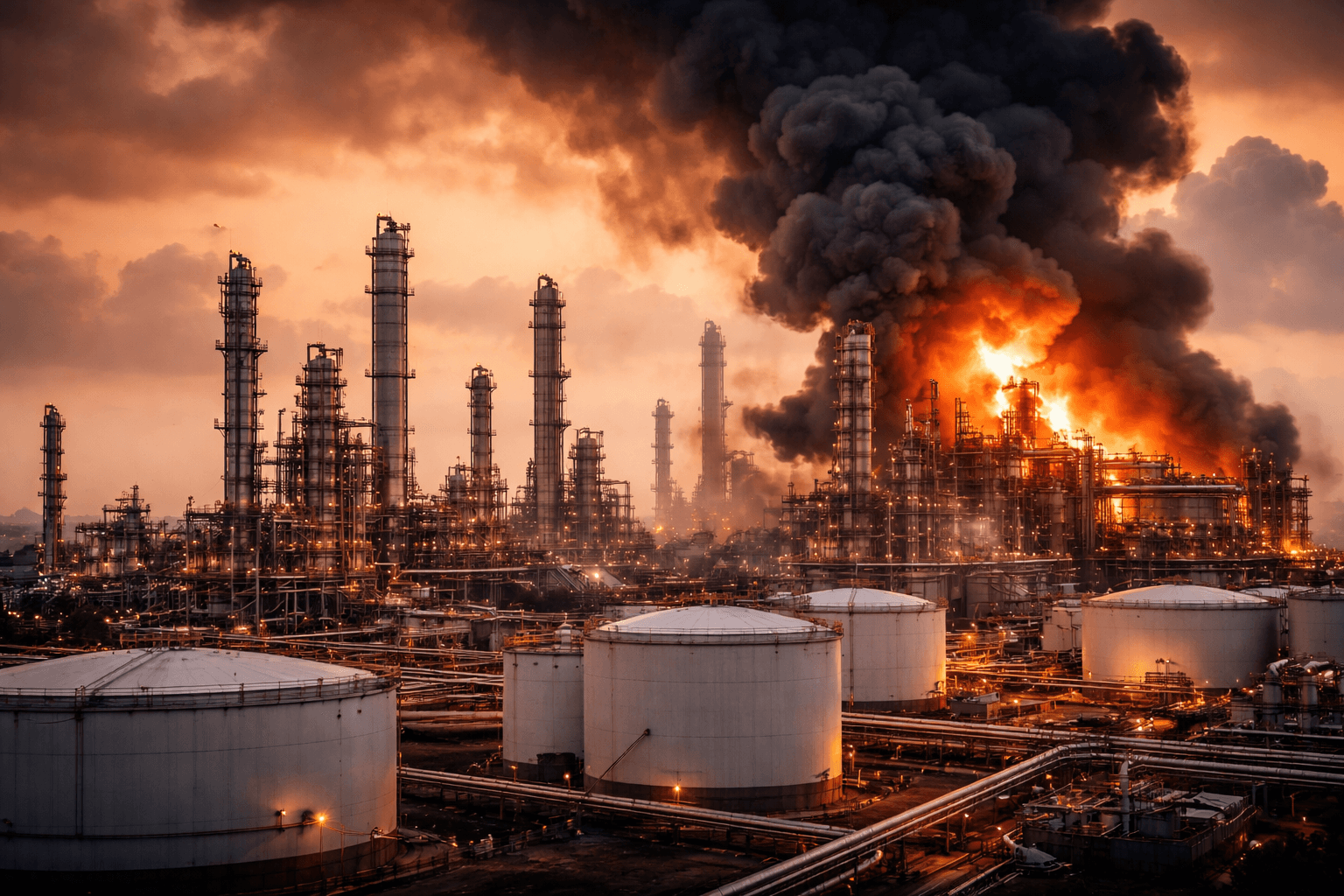
India has issued a strong and immediate response to recent attacks on energy infrastructure in the Gulf. The reaction signals both strategic concern and economic caution.
Narendra Modi personally engaged with leaders across West Asia. At the same time, global voices, including Emmanuel Macron, condemned the strikes.
The situation reflects more than a regional conflict. It highlights a growing risk to global energy stability.
What Happened and Why It Matters
India condemns Gulf energy attacks as “unacceptable” and “deeply disturbing.” These are not routine diplomatic words. They reflect the seriousness of the incident.
The attacks targeted key energy hubs in the Gulf region. This region supplies a significant share of the world’s oil. Any disruption here creates immediate global concern.
India’s response focused on two priorities.
First, protecting energy supply chains.
Second, preventing further escalation.
Officials emphasized the need for restraint and dialogue. They warned that continued conflict could destabilize both regional security and global markets.
India’s Strategic Dependence on the Gulf
India’s reaction becomes clearer when viewed through its energy dependence.
The country imports more than 80 percent of its crude oil needs. A large share comes from Gulf nations.
This makes the region critical to India’s economic stability. Even minor disruptions can increase fuel costs, widen the trade deficit, and affect inflation.
Moreover, millions of Indian citizens live and work in the Gulf. Any instability raises concerns about their safety and economic well being.
Therefore, India’s diplomatic tone remains firm but balanced.
Diplomatic Outreach and Global Alignment
Direct Engagement by Leadership
Narendra Modi reached out to multiple West Asian leaders. This step signals urgency at the highest level.
The discussions focused on de escalation and regional stability. India positioned itself as a responsible global stakeholder.
International Condemnation
Emmanuel Macron also condemned the strikes. This reflects broader international concern.
The alignment between India and European leadership strengthens the global call for restraint.
Official Position
India described the attacks as unacceptable. It also stressed that targeting energy infrastructure threatens global economic recovery.
This framing elevates the issue beyond regional politics.
Energy Security Under Pressure
The attacks triggered immediate concern in energy markets.
Oil prices tend to react sharply to geopolitical risks in the Gulf. Even the perception of disruption can drive volatility.
For India, the risks are direct and measurable:
- Higher crude import costs
- Pressure on the rupee
- Rising inflation
- Increased subsidy burden
Additionally, global supply chains depend on stable energy flows. Any prolonged disruption could affect manufacturing and transportation sectors worldwide.
Thus, the incident carries both short term and long term economic implications.
India’s Balancing Act
India’s response reflects a careful diplomatic balance.
On one hand, it strongly condemns the attacks. On the other, it avoids taking sides in regional conflicts.
This approach serves multiple strategic goals:
- Maintaining strong ties with Gulf nations
- Preserving energy security
- Supporting global stability
- Protecting Indian diaspora interests
India is positioning itself as a stabilizing force rather than a reactive player.
Rising Risks and Policy Challenges
The situation remains fluid. However, several scenarios are likely.
If tensions escalate, energy prices could rise further. This would impact both developed and emerging economies.
If diplomacy succeeds, markets may stabilize. However, the risk premium on Gulf energy assets will likely remain elevated.
India may also accelerate diversification strategies. This could include:
- Expanding renewable energy investments
- Increasing strategic oil reserves
- Strengthening alternative supply partnerships
The current crisis may act as a catalyst for long term energy policy shifts.
Topics
Covering startup news, AI, technology, and business at ThePrimely. Delivering accurate, in-depth reporting on the stories that shape the future.