
Hormuz shipping cautious despite ceasefire as vessels await clarity on safe passage
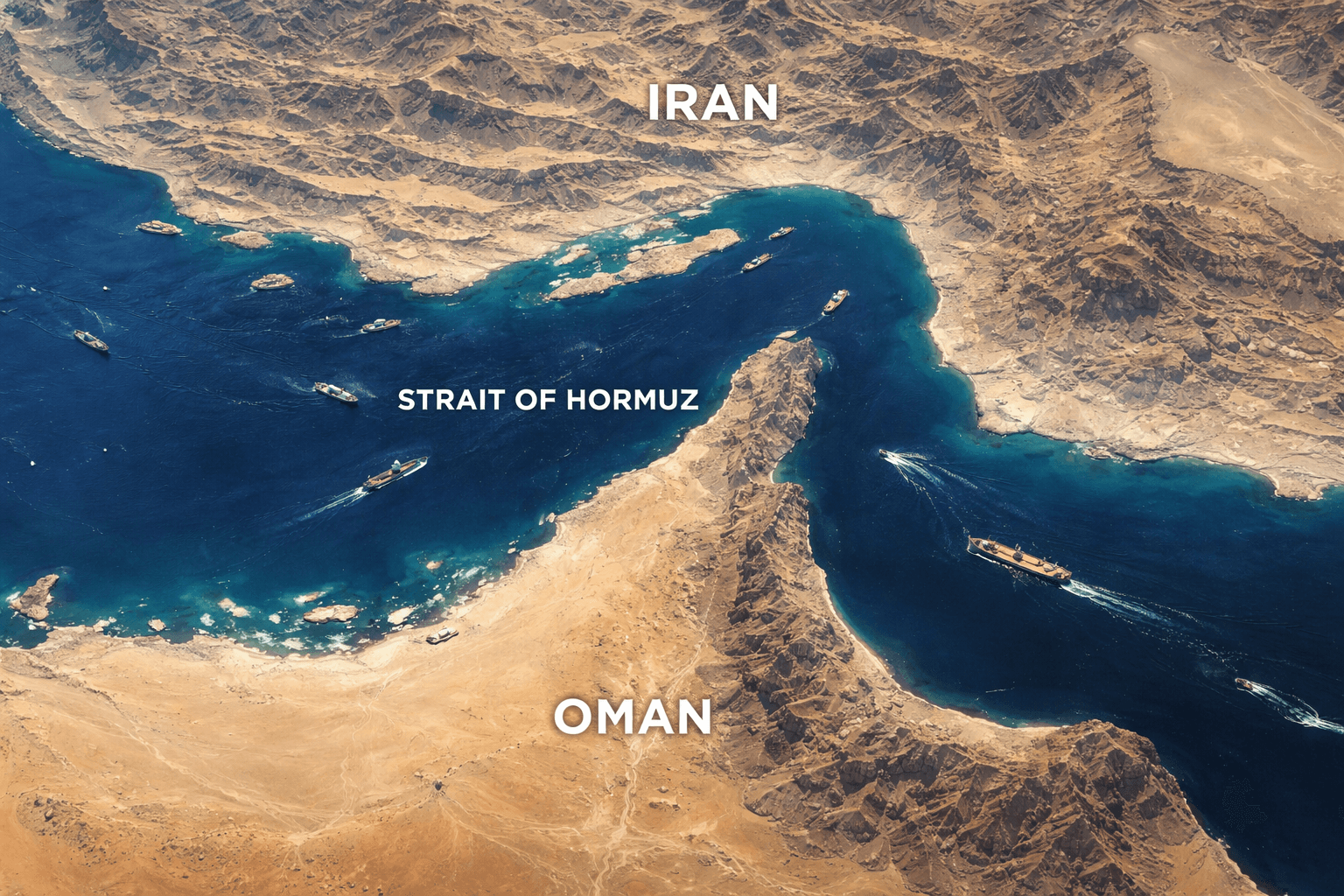
Limited ship movement highlights continued uncertainty in global energy supply routes after US Iran truce
Hormuz shipping cautious conditions continue despite the United States and Iran agreeing to a two-week ceasefire aimed at restoring maritime access through the Strait of Hormuz.
Only a limited number of vessels have crossed the narrow waterway since the agreement, reflecting continued concerns among shipping operators regarding safety and operational clarity.
The Strait of Hormuz remains one of the most strategically important global shipping routes, handling approximately one fifth of global oil and gas shipments.
Disruption to the corridor since the conflict began has influenced global energy markets and increased supply chain uncertainty.
Shipping analysts say uncertainty regarding operational conditions is preventing a rapid return to normal traffic levels.
Limited ship crossings recorded after ceasefire announcement
Analysis of ship tracking data indicates significantly reduced traffic compared with pre-conflict levels.
By 9 April, only around eleven vessels had been tracked passing through the strait since the ceasefire announcement.
Before the conflict began on 28 February, approximately 138 ships passed through the strait daily on average.
Experts say shipping companies require operational assurances before resuming regular transit schedules.
Analysts suggest the limited movement reflects caution among operators assessing potential risks.
Some vessels may also have chosen alternative routes or delayed voyages until clearer guidance becomes available.
Security risks continue to affect shipping decisions
Shipping companies have received warnings indicating potential targeting of vessels attempting to cross without authorisation.
Industry observers say the security environment remains uncertain despite the ceasefire framework.
Shipping analyst Lars Jensen from Vespucci Maritime noted that companies require more information regarding safe transit conditions.
Richard Meade from Lloyd’s List said shipowners face continued uncertainty regarding operational risk.
Concerns include the presence of naval forces, risk of renewed conflict, and unclear navigation protocols.
Analysts say maritime operators typically wait for confirmation of stable conditions before resuming normal shipping volumes.
Importance of Strait of Hormuz for global supply chains
The Strait of Hormuz plays a central role in global trade beyond oil shipments.
The route is used for transportation of chemicals required in industries including semiconductors, pharmaceuticals, and fertilisers.
Disruptions to shipping activity can therefore affect manufacturing supply chains across multiple sectors.
Energy markets reacted strongly when the conflict restricted shipping activity through the route.
Commodity price volatility often reflects perceived risk to supply continuity.
Global logistics networks remain sensitive to developments affecting maritime chokepoints.
Hundreds of vessels remain stranded near Gulf region
Shipping experts estimate that hundreds of vessels remain positioned near the Gulf region awaiting confirmation of safe transit conditions.
Some analysts estimate that nearly 800 ships have experienced delays linked to disruption in shipping routes.
Loaded tankers carrying oil and bulk cargo are expected to receive priority clearance once conditions stabilise.
However, uncertainty regarding the duration of the ceasefire continues to influence planning decisions.
Short ceasefire periods may discourage operators from committing vessels to transit routes that could again become restricted.
Analysts say operational decisions depend heavily on risk assessment and insurance coverage.
Possible toll payments create additional complexity
Reports suggest Iran may consider charging transit fees for ships passing through the Strait of Hormuz.
Shipping companies are assessing whether such payments could conflict with international sanctions frameworks.
Legal experts say sanctions compliance requirements could complicate operational decisions for shipping companies.
Payment arrangements may require government-level clarification before companies proceed with transit plans.
Industry representatives say regulatory uncertainty remains a key challenge affecting shipping activity.
Global trade organisations continue monitoring developments related to maritime security arrangements.
Oil prices reflect uncertainty about ceasefire durability
Oil prices initially declined following announcement of the ceasefire due to expectations of improved supply conditions.
However, prices later showed volatility as uncertainty remained regarding the durability of the agreement.
Energy traders continue monitoring developments affecting shipping activity and geopolitical stability.
Commodity markets often react to signals related to supply continuity and diplomatic progress.
The Hormuz shipping cautious situation highlights the continued importance of maritime security for global economic stability.
Shipping operators and policymakers continue assessing developments affecting international trade routes.
Topics
Covering startup news, AI, technology, and business at ThePrimely. Delivering accurate, in-depth reporting on the stories that shape the future.