
Why Are Top OpenAI Leaders Leaving During Its Biggest Growth Phase?
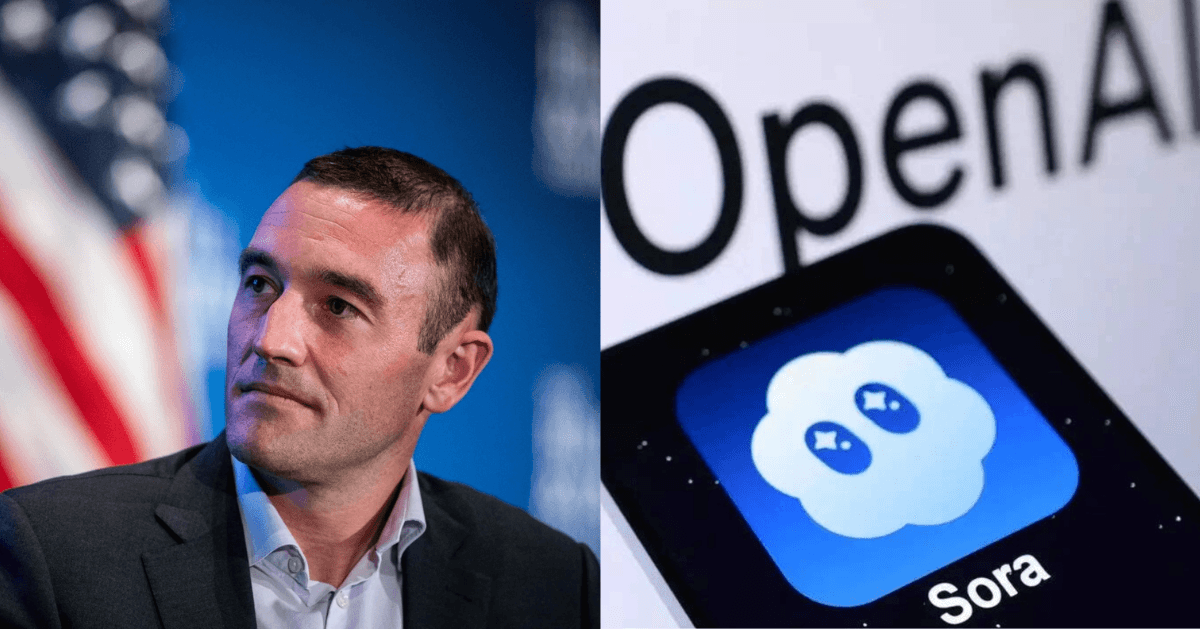
The recent wave of OpenAI executive exits has raised serious questions. The company stands at the center of the global AI boom. Yet, key leaders are stepping away at a critical moment. This contrast demands closer attention.
Several senior figures, including the former product chief and the head of Sora, have exited. These roles are central to OpenAI’s product and research direction. Their departure signals more than routine turnover.
Understanding the Leadership Shakeup
OpenAI has confirmed multiple high level exits in recent weeks. Among them is Kevin Weil, who led the development of Sora, the company’s advanced text to video AI system. Weil’s exit is particularly notable. Sora represents one of OpenAI’s most ambitious projects. It aims to redefine content creation through generative AI.
At the same time, the company’s product leadership has also seen changes. These roles shape how AI tools reach millions of users. Losing such leaders during expansion creates both risk and opportunity.
Growth at Unmatched Speed
OpenAI has experienced rapid growth since the launch of ChatGPT. The platform attracted over 100 million users within months. Since then, enterprise adoption has surged. The company has expanded into multiple areas. These include multimodal AI, video generation, and enterprise solutions. Sora alone positioned OpenAI ahead in AI driven video creation.
However, rapid scaling often brings internal pressure. Leadership structures must evolve. Decision making becomes more complex. As a result, executive turnover tends to increase.
Key Developments Behind the Exits
Reports suggest that these departures are not linked to a single issue. Instead, they reflect a mix of strategic and organizational factors. First, OpenAI is transitioning from a research focused lab to a product driven company. This shift requires different leadership styles. Not all executives align with this evolution.
Second, competition in AI has intensified. Companies like Google, Meta, and Microsoft are investing heavily. As a result, leadership roles now carry greater pressure and scrutiny. Third, internal restructuring may also play a role. As OpenAI scales, it must redefine roles and responsibilities. This often leads to leadership reshuffling.
A Signal Beyond OpenAI
These exits extend beyond one company. They reflect broader trends in the AI industry.
Leadership mobility is increasing across tech firms. Experienced executives are in high demand. Many choose to explore new ventures or advisory roles. At the same time, companies are racing to dominate AI markets. This creates intense internal competition. Teams must deliver faster results with higher stakes.
Therefore, OpenAI’s leadership changes may indicate a wider industry pattern. Stability is becoming harder to maintain during rapid innovation cycles.
Strategic Implications for OpenAI
Despite the departures, OpenAI remains a dominant force. Its partnerships, especially with Microsoft, provide strong backing. However, leadership continuity matters. Product vision and execution depend on stable direction. Frequent changes can slow decision making.
On the other hand, new leadership can bring fresh perspective. It can accelerate innovation and improve execution. The key question is whether OpenAI can maintain momentum. The company must balance innovation with organizational stability.
What This Means for the Road Ahead
OpenAI now faces a defining phase. It must prove that its systems and culture can sustain growth without relying on specific individuals. The company is moving toward commercialization at scale. Enterprise AI, creative tools, and automation products are central to its strategy. If managed well, leadership changes could strengthen the organization. If not, they could create gaps in execution. The outcome will shape OpenAI’s position in the global AI race.
The OpenAI executive exits highlight a deeper transformation. The company is evolving from a research lab into a global AI powerhouse. Such transitions are rarely smooth. Leadership changes are part of the process. However, timing matters. OpenAI must now demonstrate resilience. Its ability to adapt will define its long term success. The AI industry will be watching closely.
FAQ's
1. Why are OpenAI executives leaving?
Executives are leaving due to strategic shifts, internal restructuring, and increasing pressure from rapid growth and competition.
2. Who left OpenAI recently?
Key figures include Kevin Weil, who led the Sora AI project, along with other senior product leaders.
3. What is Sora in OpenAI?
Sora is OpenAI’s advanced AI system that generates realistic videos from text prompts.
4. Do these exits affect OpenAI’s growth?
In the short term, they may create uncertainty. However, strong systems and partnerships can sustain growth.
5. Is this trend common in the AI industry?
Yes. Leadership changes are increasing as companies scale rapidly and compete aggressively in AI innovation.
Topics
Covering startup news, AI, technology, and business at ThePrimely. Delivering accurate, in-depth reporting on the stories that shape the future.