
Why Did China Invoke Blocking Rules Against US Sanctions and What Does It Signal for Global Trade Power?
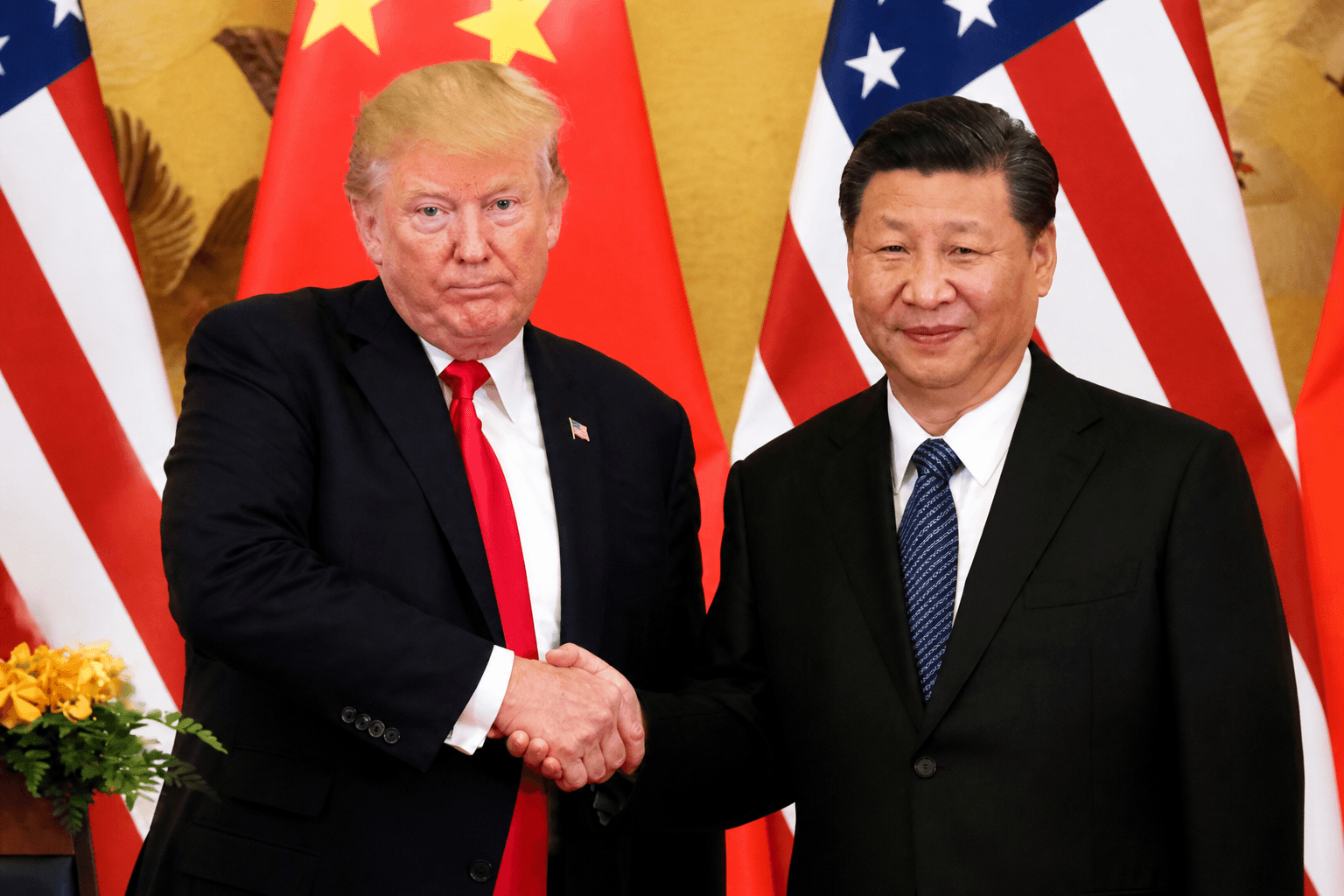
The global economic order rarely shifts in a single move. Yet, China’s latest decision has done exactly that. By invoking its blocking rules against US sanctions, China has sent a direct message to United States. This is not just a policy response, It is a strategic escalation.
More importantly, it reflects a growing divide in how major powers enforce economic control.
What Are China Blocking Rules and Why Were They Used Now?
China activated its 2021 Anti Foreign Sanctions Law through a formal blocking order. This is the first time such an order has been enforced. The move targets US sanctions imposed on Chinese oil firms accused of purchasing Iranian crude. China has called the action “defensive and justified.” It argues that US sanctions lack international legal backing.
At the same time, the blocking rules prohibit Chinese entities from complying with these foreign sanctions. They also allow companies to seek compensation for losses caused by compliance. This creates a direct legal conflict between two global systems.
Rising Tensions Over Iran Oil Trade
The dispute centers on oil imports linked to Iran. The United States has long imposed sanctions to restrict Iran’s oil exports. These measures aim to pressure Tehran’s economic and political behavior.
However, China remains one of the largest buyers of Iranian oil. This creates a structural clash. On one side, the US enforces sanctions globally. On the other, China prioritizes energy security and economic sovereignty. This tension has now reached a legal turning point.
First Ever Blocking Order
China’s Ministry of Commerce issued the blocking order after US sanctions targeted specific Chinese refineries. The order instructs domestic companies to ignore US restrictions. It also warns of legal consequences for those who comply with foreign sanctions without approval.
This is a significant escalation. Until now, China had criticized US sanctions but avoided direct legal countermeasures. Now, it has formalized its resistance.
Energy and Trade at Risk
The immediate impact is visible in energy markets. Chinese refineries play a major role in global oil demand. Any disruption affects supply chains and pricing dynamics.
Moreover, companies operating internationally face a difficult choice. They must decide whether to comply with US sanctions or Chinese law. This creates legal uncertainty. It also increases operational risk for multinational firms.
In addition, global trade flows may adjust. Some companies could reduce exposure to sanctioned markets. Others may seek alternative financial channels.
A New Phase of Economic Power Struggle
China’s move signals a shift from passive resistance to active countermeasures. It challenges the dominance of US sanctions in global trade. At a deeper level, this reflects a broader competition over economic governance.
If more countries adopt similar frameworks, the global system could fragment. This would weaken unified enforcement mechanisms. It would also increase regional economic blocs. For policymakers and corporations, the implications are significant.
What This Means for the Global Economic Order
The decision introduces a new layer of complexity in international business. Companies must now navigate conflicting legal systems. Compliance is no longer straightforward. At the same time, financial institutions face increased scrutiny. Transactions linked to sanctioned entities carry higher risks.
Furthermore, the energy sector may experience volatility. Oil flows could shift based on political alignment rather than market efficiency. This marks a transition from globalization toward strategic economic positioning.
A Defining Moment in Economic Geopolitics
China’s use of blocking rules against US sanctions is more than a legal action. It is a strategic signal. It shows that major economies are willing to challenge established systems.
This development will shape trade, energy markets, and global governance in the coming years. The message is clear. Economic power is no longer unilateral. It is contested and evolving.
FAQ's
Q1. What are China’s blocking rules?
They are legal tools that prevent Chinese firms from complying with foreign sanctions deemed unjust.
Q2. Why did China use them now?
China responded to US sanctions targeting its oil firms linked to Iranian crude purchases.
Q3. How does this affect global companies?
Firms must choose between complying with US sanctions or Chinese law, increasing legal risk.
Q4. What is the impact on oil markets?
Potential supply shifts and pricing volatility due to disrupted trade flows.
Q5. Does this escalate US China tensions?
Yes. It marks a significant escalation in economic and legal confrontation between both powers.
Topics
Covering startup news, AI, technology, and business at ThePrimely. Delivering accurate, in-depth reporting on the stories that shape the future.