
Mamdani Faces Criticism Over Koh-i-Noor Remark, ‘Rude’ Welcome to King Charles
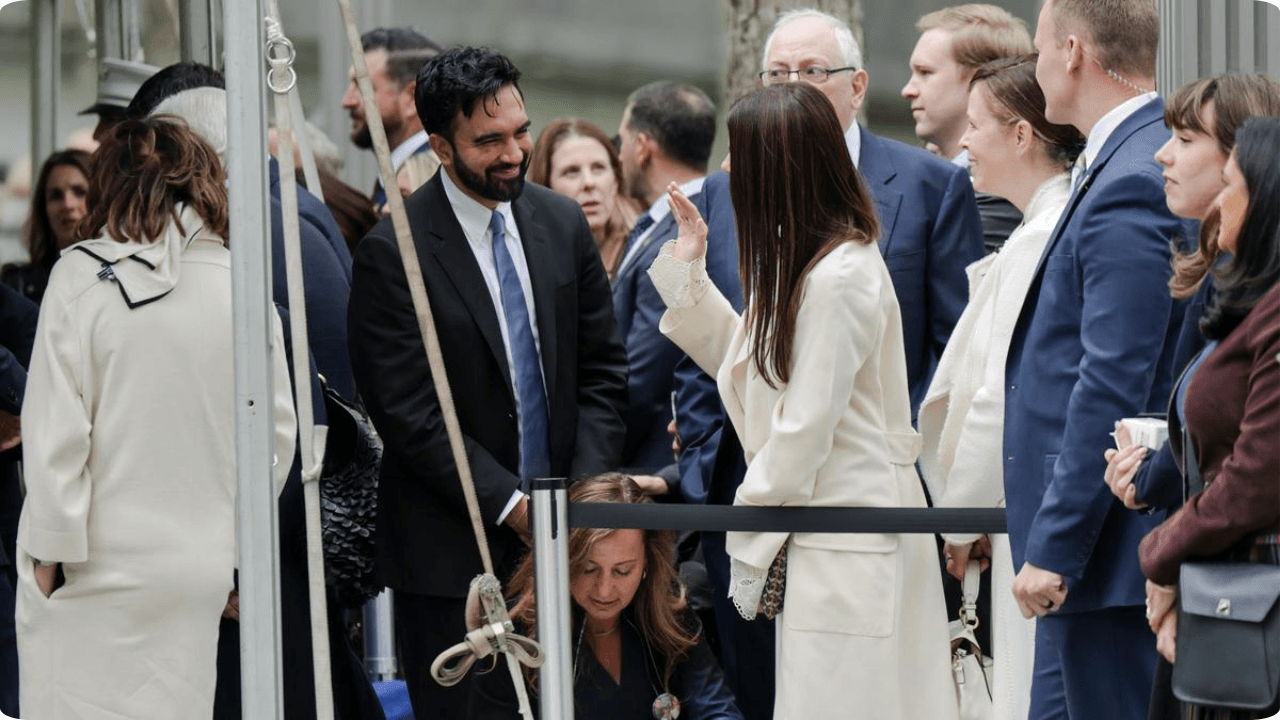
Ahead of meeting King Charles, Mamdani stated that he would “encourage” the British monarch to return the Koh-i-Noor diamond to India if given the opportunity.
The diamond, taken during British colonial rule in India, remains one of the most contested artifacts in global history. India has repeatedly sought its return, viewing it as a symbol of colonial extraction.
Criticism Over ‘Rude’ Welcome
The controversy intensified over how Mamdani handled King Charles’s visit. Critics argued that his limited engagement and lack of formal acknowledgment amounted to a diplomatic snub.
Reports noted that the mayor did not prominently schedule or highlight the royal visit and kept interactions minimal, leading to accusations of disrespect toward the visiting monarch.
However, when the two leaders met at a 9/11 memorial event, the interaction itself appeared cordial, with both exchanging brief pleasantries.
This contrast between rhetoric and conduct has fueled the ongoing criticism.
A Debate Rooted in Colonial History
The Koh-i-Noor diamond remains at the heart of this controversy.
Originally acquired by the British after the annexation of Punjab in 1849, the diamond has been claimed by multiple countries, including India, Pakistan, and Afghanistan.
For many, calls for its return are part of a broader push to address colonial-era injustices. Mamdani’s remarks align with this perspective, reflecting growing global conversations around restitution and historical accountability.
Diplomatic Sensitivity and Political Messaging
The timing of Mamdani’s statement has raised questions about balancing historical advocacy with diplomatic protocol.
While some view his comments as a legitimate expression of anti-colonial sentiment, others argue that such issues should be handled through formal diplomatic channels rather than public remarks during state visits.
This tension highlights a broader challenge for modern leaders navigating historical grievances in contemporary international relations.
Wider Implications for Global Discourse
The incident underscores how colonial history continues to shape present-day politics.
Debates over artifacts like the Koh-i-Noor are no longer limited to academic or diplomatic circles. They now play out in public discourse, influencing political narratives and international perceptions.
As more countries demand the return of cultural heritage, such controversies are likely to become more frequent.
Topics
Covering startup news, AI, technology, and business at ThePrimely. Delivering accurate, in-depth reporting on the stories that shape the future.