
Why Did a Hantavirus Outbreak Trigger a Cruise Ship Evacuation Near Spain?
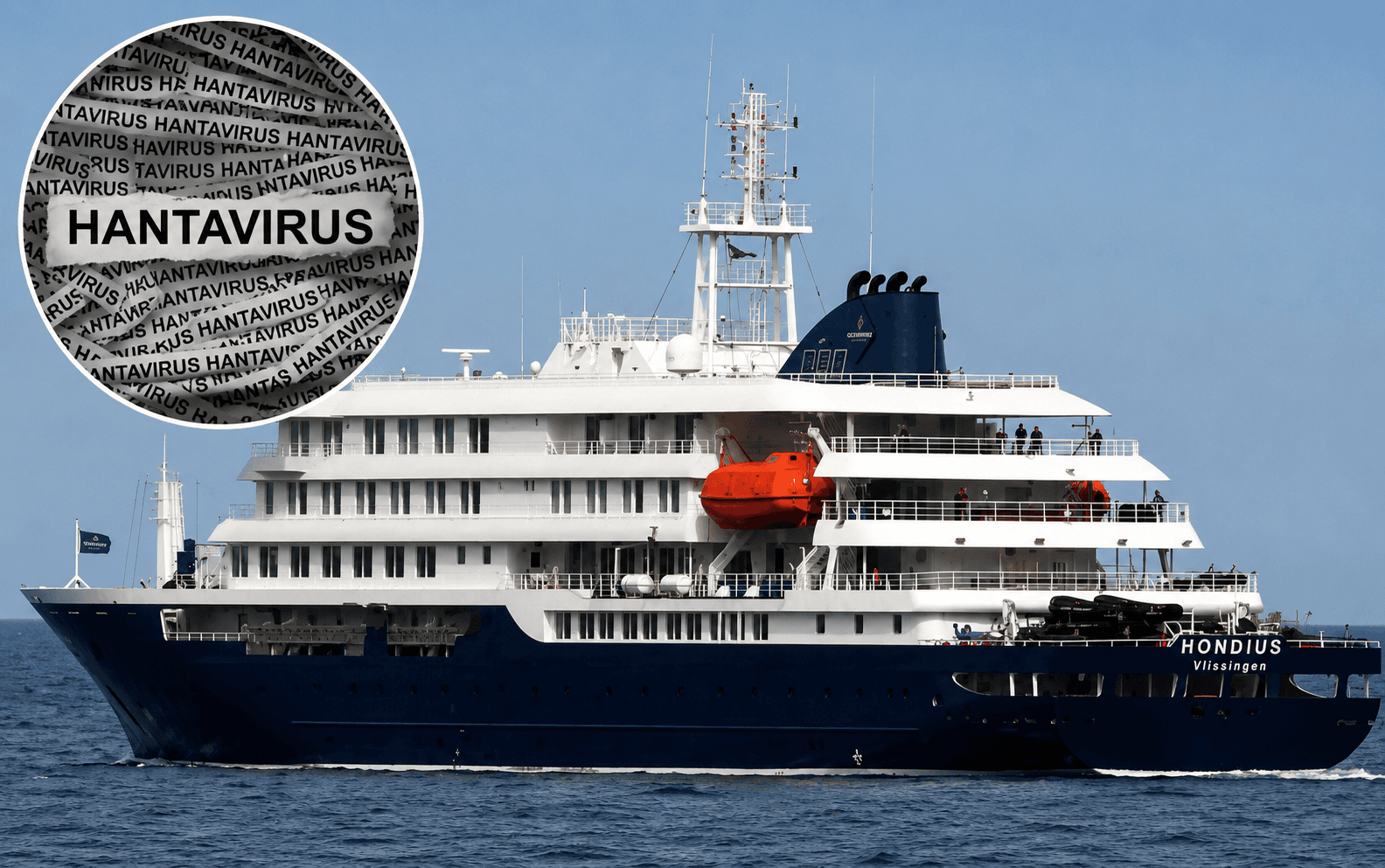
A luxury cruise vacation turned into a public health emergency after suspected hantavirus infections forced authorities to evacuate passengers near Spain’s coastline.
Health officials moved quickly after multiple passengers reportedly showed symptoms linked to hantavirus. The situation raised global concern because hantavirus infections can become severe and, in some cases, life threatening.
As evacuation operations began, international health agencies started monitoring the situation closely.
What Happened on the Cruise Ship?
The cruise ship remained anchored near a Spanish island as authorities coordinated a controlled passenger evacuation. Reports indicated that several passengers developed symptoms associated with hantavirus during the voyage. Medical teams isolated affected individuals while officials assessed potential exposure risks for others onboard.
The World Health Organization also issued an urgent advisory connected to the incident. Health authorities urged passengers to monitor symptoms carefully after disembarkation. Meanwhile, emergency response teams worked to prevent panic while ensuring medical screening procedures remained active.
What Is Hantavirus and Why Are Officials Concerned?
Hantavirus is a rare but dangerous viral infection primarily spread through contact with infected rodents or contaminated materials. The virus can cause severe respiratory illness and kidney complications in serious cases. Early symptoms often include fever, muscle pain, fatigue, and headaches. However, respiratory distress may develop rapidly afterward.
Because symptoms initially resemble common viral infections, early detection becomes difficult. That increases concern during confined travel situations such as cruise ships.
Health experts stressed that hantavirus does not usually spread easily between humans in most known strains. Even so, authorities moved cautiously because of the close passenger environment onboard.
Why the Cruise Industry Faces a Bigger Reputation Challenge
The incident arrives at a sensitive moment for the global cruise industry. Cruise operators spent years rebuilding public confidence after earlier health crises disrupted international travel. Therefore, another disease related emergency could renew concerns about onboard safety standards and outbreak preparedness. Although officials have not reported a large scale transmission event, the visibility of the evacuation attracted global attention.
As a result, cruise companies may now face greater pressure to strengthen onboard health surveillance, sanitation systems, and emergency medical coordination.
How Authorities Are Responding
Spanish health officials, local emergency teams, and international health agencies continue investigating the source of the suspected infections. Passengers reportedly underwent medical evaluation during evacuation procedures. Authorities also began tracing possible exposure routes connected to the voyage.
At the same time, officials emphasized that public panic remains unnecessary. Experts noted that hantavirus infections remain relatively rare worldwide.
However, rapid containment remains critical whenever unusual viral cases emerge in densely populated travel environments.
What This Means for Global Travel Health Monitoring
The cruise ship incident highlights how quickly localized health events can become international concerns. Modern travel networks connect thousands of passengers across countries within days. Therefore, even limited outbreaks demand rapid coordination between governments, health agencies, and transport operators.
The situation also reinforces the growing importance of real time disease surveillance in the travel industry. Health emergencies may become more manageable in coming years as cruise operators adopt stronger medical screening technologies and faster response systems.
The suspected hantavirus outbreak near Spain has placed global attention back on travel related health risks. While officials continue investigations, the evacuation demonstrates how quickly authorities now respond to potential infectious threats. For passengers and the broader cruise industry, the event serves as another reminder that health preparedness has become a core part of modern international travel.
The final medical findings may determine the long term impact. Yet the industry’s response during the crisis will shape public confidence moving forward.
FAQ's
What is hantavirus?
Hantavirus is a rare viral infection usually linked to exposure to infected rodents or contaminated surfaces.
Where did the cruise ship evacuation happen?
The evacuation took place near a Spanish island after suspected hantavirus related illnesses emerged onboard.
Can hantavirus spread between humans?
Most hantavirus strains do not spread easily between humans. However, health agencies still monitor cases carefully.
What are common hantavirus symptoms?
Symptoms may include fever, muscle pain, fatigue, headaches, and severe breathing problems in advanced cases.
Why is the cruise industry concerned?
Health emergencies onboard cruise ships can affect traveler confidence, operational costs, and international safety regulations.
Topics
Covering startup news, AI, technology, and business at ThePrimely. Delivering accurate, in-depth reporting on the stories that shape the future.