
Artemis II Highlights Human Spaceflight Engineering and Showcases ISRO’s Progress
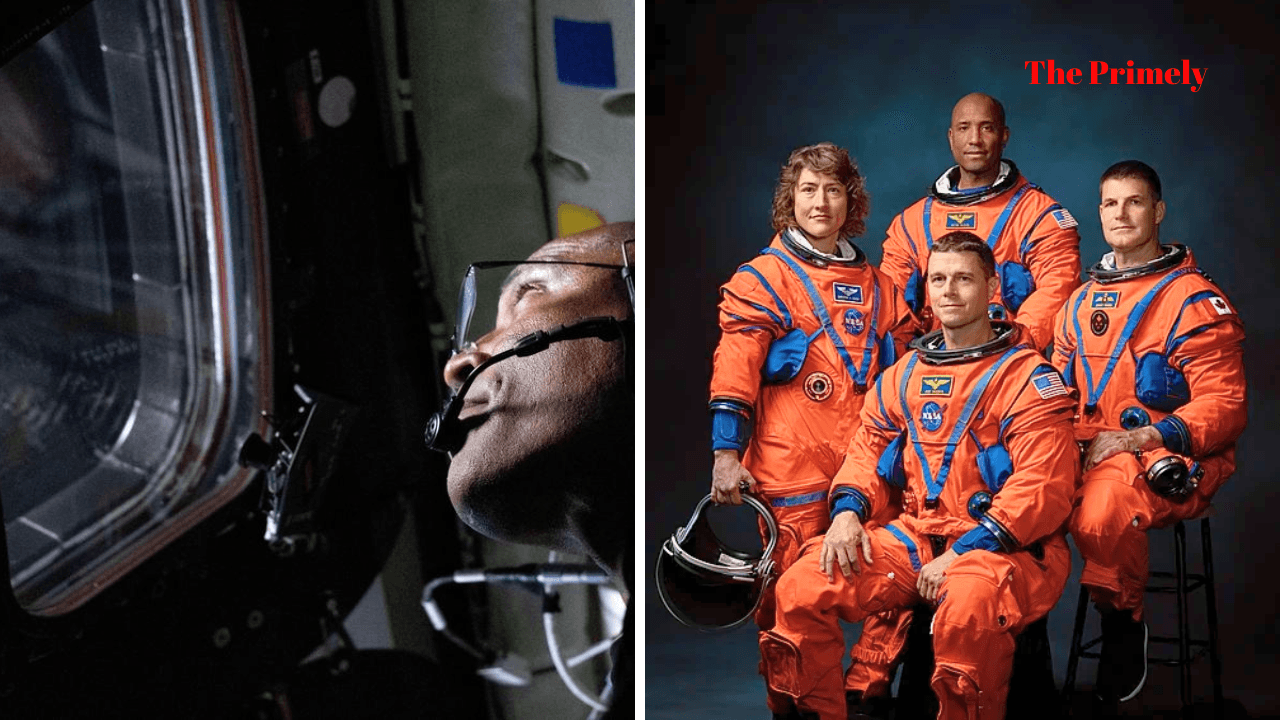
The Artemis II human spaceflight mission is not just another milestone in space exploration. It represents a deeper transformation in how nations approach human space travel. The mission has brought renewed attention to engineering precision, mission safety, and long-term ambitions beyond the Moon.
At the same time, it has triggered comparisons with emerging space powers, particularly India. As ISRO advances its own human spaceflight programme, the global narrative is shifting from competition to capability building.
Background: Engineering the Return to Deep Space
Artemis II is the first crewed mission under NASA’s Artemis programme, designed to send humans around the Moon after decades. It follows a long gap since the Apollo missions, making it both a technological and symbolic return to deep space exploration.
The mission’s core objective is not landing but testing. Engineers are evaluating systems such as life support, navigation, and heat shield performance under extreme conditions. The spacecraft has travelled farther than any human mission before, proving the reliability of modern designs.
This approach shows a clear shift from short-term achievements to sustained capability development.
Artemis II Human Spaceflight: Engineering at the Core
Precision Systems and Risk Management
The Artemis II human spaceflight mission is built around engineering discipline. Every stage, from launch to re-entry, reflects a system-level focus on reliability. The Orion spacecraft underwent extensive testing during the mission, particularly in high-speed re-entry conditions, which remain one of the most challenging aspects of spaceflight.
The success of these systems is critical for future missions that will involve longer durations and higher risks. Unlike earlier missions, Artemis focuses on repeatability and safety rather than one-time achievements.
Human Factors in Deep Space Travel
The mission also highlights the complexity of sustaining human life in space. Engineers must account for physiological stress, communication delays, and confined environments. Artemis II tested these elements in real conditions, offering insights into long-duration missions.
These findings are essential for planning future lunar landings and eventual missions to Mars.
ISRO’s Progress: A Parallel Journey
India’s space programme is entering a similar phase with its Gaganyaan mission. ISRO has completed critical system tests, including parachute and crew safety validations, which are essential for human spaceflight readiness.
While Artemis II demonstrates operational maturity, ISRO’s approach reflects incremental progress. India is focusing on building indigenous capability rather than replicating existing models. This includes launch systems, crew modules, and recovery mechanisms.
The contrast between the two programmes is not about speed but strategy. NASA is expanding an existing legacy, while ISRO is constructing one.
Industry and Global Impact: A New Space Balance
The success of Artemis II is influencing the global space ecosystem. Private companies, research institutions, and governments are aligning investments with long-term space exploration goals.
At the same time, ISRO’s progress is adding a new dimension to the global space race. India is no longer just a participant but a serious contender in human spaceflight.
This evolving landscape suggests that space exploration is becoming a multi-polar domain. Collaboration and competition will coexist as countries pursue technological leadership.
Strategic Implications: Beyond Technology
The Artemis II human spaceflight mission reflects broader strategic priorities. Space exploration is increasingly linked to national capability, technological innovation, and geopolitical influence.
For the United States, Artemis reinforces leadership in deep space missions. For India, Gaganyaan represents a step toward self-reliance and global positioning.
The convergence of these efforts indicates that future space missions will be shaped as much by policy as by engineering.
Topics
Covering startup news, AI, technology, and business at ThePrimely. Delivering accurate, in-depth reporting on the stories that shape the future.