
Can WhatsApp Encryption Be Trusted? Why Musk and Telegram Are Challenging Meta’s Claims
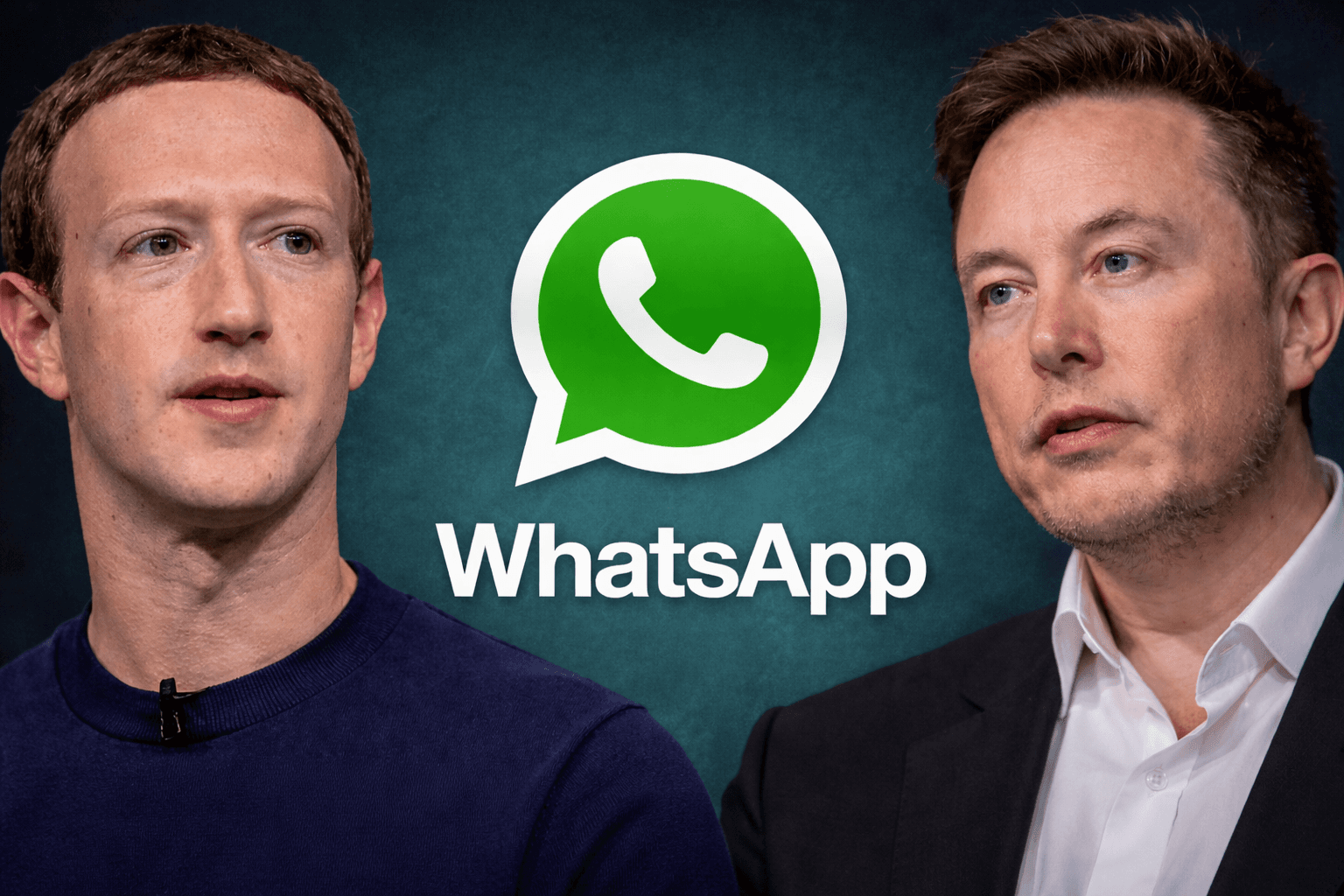
The debate around WhatsApp encryption trust has intensified. Industry leaders are now questioning one of the platform’s core promises. This shift has triggered a broader discussion about digital privacy, platform transparency, and user control.
At the center of this debate are strong claims from Elon Musk and Telegram’s CEO. Both have challenged WhatsApp’s end to end encryption credibility. Meta has responded firmly, calling these claims misleading. The issue is no longer technical alone. It has become strategic and reputational.
Understanding the Core Issue: What Is Being Questioned?
WhatsApp has long promoted end to end encryption as its key privacy feature. This means only the sender and receiver can read messages. Not even the platform itself should access the content. However, critics argue that this claim may not fully reflect how data flows within the system.
Telegram’s CEO described WhatsApp’s encryption model as deeply flawed. He even labeled it one of the biggest consumer fraud concerns in tech. Elon Musk supported this skepticism. He suggested users should not blindly trust Meta’s platform. These statements have amplified public concern. They have also brought attention to how encryption is implemented beyond marketing claims.
Meta’s Response: Strong Denial and Defense
Meta has rejected all allegations. The company stated that WhatsApp uses robust end to end encryption. It emphasized that message content remains inaccessible to the company. Meta also called the criticism “absurd.” According to its response, competitors are spreading misleading narratives to gain advantage.
Importantly, Meta highlighted that WhatsApp’s encryption protocol is widely reviewed. It is based on established security frameworks. The company maintains that user privacy remains protected. This response reflects confidence. However, it also signals growing competitive pressure in the messaging ecosystem.
Key Developments Driving the Debate
The controversy did not emerge in isolation. It follows increasing scrutiny of big tech companies and their data practices. Several developments have contributed to the current situation.
First, rising global awareness around data privacy has made users more cautious. Second, competition among messaging platforms has intensified. Telegram, Signal, and others position themselves as privacy first alternatives.
Third, public figures like Elon Musk influence perception significantly. His statements often shape broader narratives in tech discussions. Together, these factors have turned a technical issue into a global debate.
More Than Just Messaging Apps
This debate has wider implications for the tech industry. Trust is the foundation of digital platforms. When encryption claims are questioned, it affects user confidence across ecosystems. Messaging platforms rely heavily on credibility. Any doubt can shift user behavior. Even a small migration toward competitors can impact market share.
Moreover, regulators may take interest. Governments worldwide are already examining how companies handle user data. This controversy could accelerate policy discussions. In short, the issue extends beyond WhatsApp. It touches the entire privacy economy.
What This Means for Users and Companies
From a strategic perspective, this debate highlights a critical shift. Users are no longer passive. They demand transparency. They expect clear explanations of how their data is handled. For companies, this means communication must evolve. Technical claims alone are not enough. Trust must be demonstrated through openness and accountability.
At the same time, competitors are using privacy as a positioning tool. Messaging platforms are no longer competing only on features. They are competing on trust narratives. This creates both risk and opportunity.
What Lies Ahead for Encryption and User Trust?
The current debate signals a turning point. Privacy will become a key differentiator in digital platforms. Companies that clearly explain their systems will gain advantage. Those that rely only on branding may face skepticism.
Users, meanwhile, will become more selective. They will compare platforms not just on usability but on credibility. As scrutiny increases, companies may also adopt more transparent practices. Independent audits and clearer disclosures could become standard. This shift will redefine how trust is built in the digital age.
A Defining Moment for Digital Privacy
The WhatsApp encryption trust debate is not just about one platform. It reflects a broader transformation in how users view technology.
Elon Musk and Telegram’s CEO have raised serious questions. Meta has responded with equal strength. However, the final judgment will come from users and regulators. Trust is no longer assumed. It must be earned continuously. This moment will shape the future of digital communication.
FAQ's
1. What is end to end encryption in WhatsApp?
It ensures that only the sender and receiver can read messages. No third party can access the content.
2. Why did Elon Musk criticize WhatsApp?
He questioned the reliability of its encryption claims and urged users to be cautious about trusting the platform.
3. What did Telegram’s CEO say about WhatsApp?
He criticized WhatsApp’s security model and raised concerns about how user data is handled.
4. How did Meta respond to these allegations?
Meta denied all claims. It stated that WhatsApp uses strong encryption and protects user privacy effectively.
5. Does this affect users directly?
There is no confirmed breach. However, the debate may influence user trust and platform choices.
6. Should users switch messaging apps?
It depends on personal preferences. Users should evaluate platforms based on transparency, features, and trust.
Topics
Covering startup news, AI, technology, and business at ThePrimely. Delivering accurate, in-depth reporting on the stories that shape the future.