
West Bengal Polls 2026: Phase 1 Ends with Nearly 90% Turnout
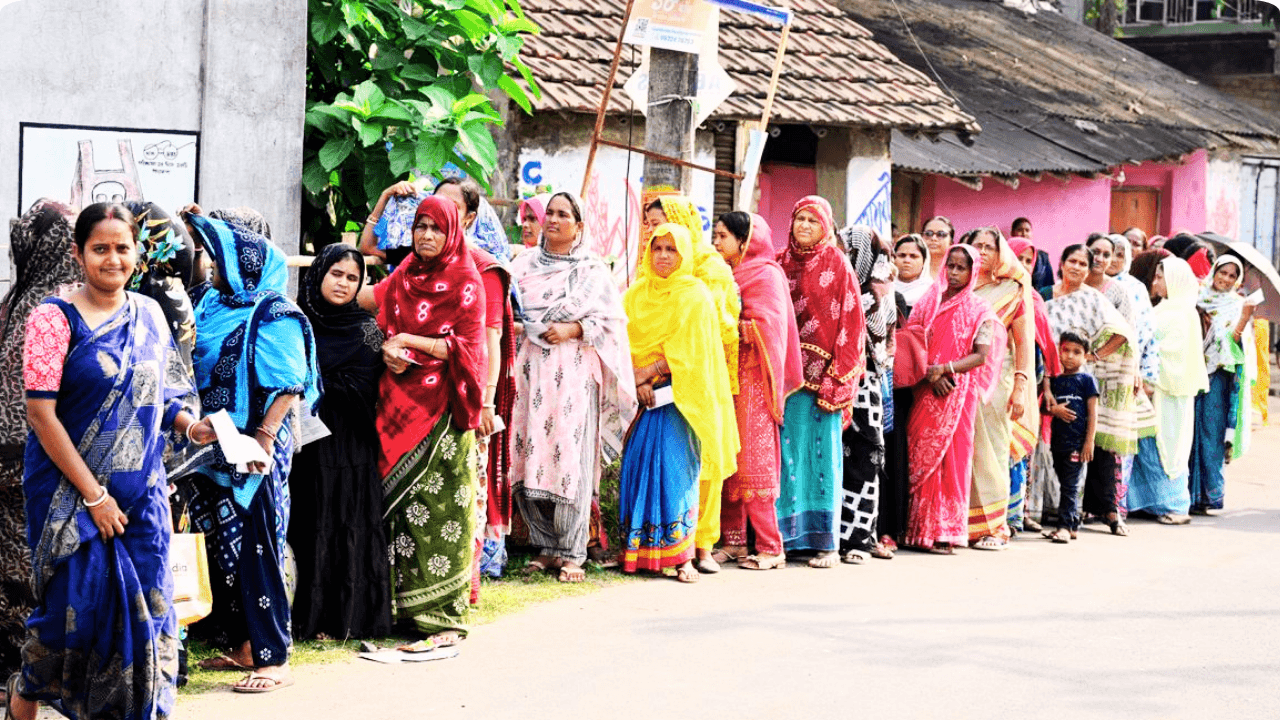
The West Bengal election phase 1 voting began on April 23, covering 152 constituencies across 16 districts and marking the start of a crucial political contest in the state. Around 3.6 crore voters are expected to participate in this phase, making it one of the largest electoral exercises in India this year. Polling started at 7 a.m. under tight security arrangements, with authorities aiming to ensure a smooth and fair voting process. The elections are being conducted in two phases, with the second phase scheduled for April 29 and counting set for May 4.
High Stakes Political Battle
The first phase sets the tone for a high-stakes contest between the ruling Trinamool Congress led by Mamata Banerjee and the Bharatiya Janata Party, which is seeking to expand its presence in the state. The elections are being closely watched nationally, as they could reshape political dynamics ahead of future national contests. The presence of Congress and Left parties adds another layer to the competition, although the main fight remains between TMC and BJP.
Voter Turnout and Ground Situation
Early trends indicate strong voter participation, with turnout crossing 40% by late morning in several districts, reflecting high public engagement despite concerns over tensions. However, isolated incidents of violence and disruptions have been reported in some areas, including clashes between party workers and incidents involving crude bombs. Authorities have responded by increasing security presence and closely monitoring sensitive polling booths to maintain order.
Security and Election Arrangements
The Election Commission has deployed massive security forces, including thousands of central paramilitary personnel, to ensure law and order during polling. More than 8,000 polling booths have been identified as “super-sensitive,” with additional surveillance and security measures in place to prevent any disruptions. These arrangements highlight the importance of ensuring peaceful voting in a politically charged environment.
Background: A Crucial Election Cycle
The 2026 West Bengal Assembly elections are being held to elect all 294 members of the state assembly, and the outcome will determine the next government for the next five years. The election comes amid debates over voter list revisions, allegations of political polarization, and concerns about governance and economic issues, all of which have intensified the political atmosphere across the state.
Strategic Implications
The West Bengal election phase 1 voting is more than just the start of polling, as it will influence momentum for the remaining phases and shape voter sentiment. A strong performance in Phase 1 could provide a psychological advantage to leading parties, while any disruptions or controversies may impact turnout and political narratives going forward.
Topics
Covering startup news, AI, technology, and business at ThePrimely. Delivering accurate, in-depth reporting on the stories that shape the future.