
UK Allows US Bases for Strait of Hormuz Strikes
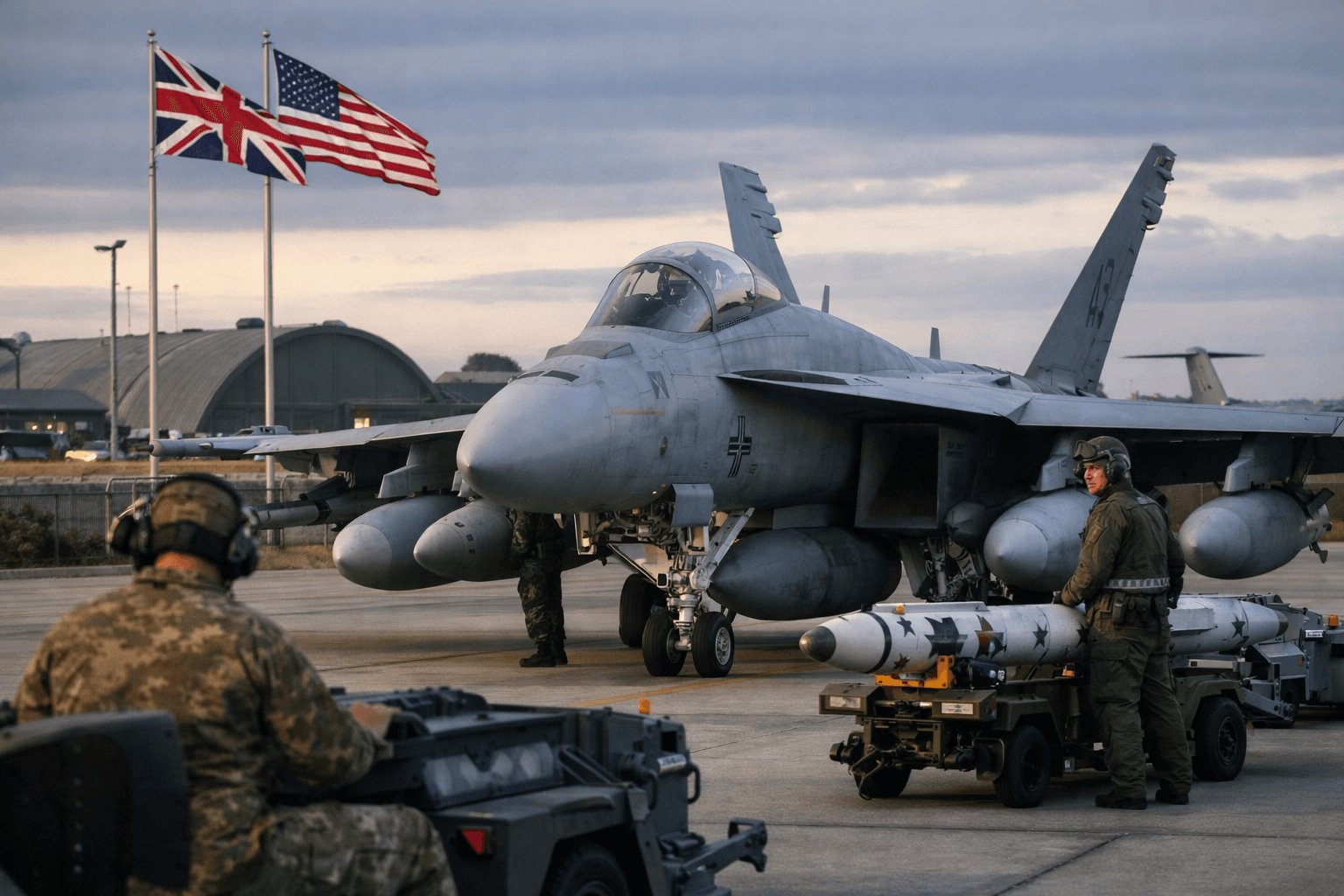
The United Kingdom has agreed to allow the United States to use British military bases to strike Iranian-linked targets threatening shipping in the Strait of Hormuz, marking a significant shift in London’s approach to the escalating Iran war.
Prime Minister Sir Keir Starmer had earlier limited US use of British bases to defensive operations. However, ministers have now expanded permission under the principle of “collective self-defence” to include strikes aimed at protecting global shipping routes.
The decision underlines the growing urgency among Western allies to safeguard one of the world’s most important oil corridors as tensions in the Middle East intensify.
Why the Strait of Hormuz Matters
The Strait of Hormuz is one of the most strategically important waterways in the world. Around one fifth of global oil supply passes through this narrow shipping lane connecting the Persian Gulf to international markets.
Before the conflict began, roughly 138 ships moved through the strait each day. However, since the start of the war, maritime traffic has dropped sharply amid fears of missile attacks, drones and naval strikes.
BBC Verify data shows fewer than 100 ships have crossed the strait since early March, reflecting the growing risks faced by commercial vessels.
Energy analysts warn prolonged disruption could lead to higher oil prices, increased inflation and global economic instability.
UK Expands Role but Stops Short of Direct Combat
Downing Street stressed that the UK will not directly participate in US military strikes, maintaining that its position remains focused on protecting shipping and preventing wider escalation.
Officials said the expanded agreement allows the US to target missile systems and infrastructure used to threaten vessels navigating the Strait of Hormuz.
British military planners are working with US Central Command to explore options for ensuring the safe passage of oil tankers through the region.
Two key bases have reportedly been involved:
- RAF Fairford in Gloucestershire
- Diego Garcia in the Indian Ocean
Diego Garcia is a joint UK-US military facility located in the Chagos Islands and plays a crucial role in long-range operations across the Middle East.
Political Reaction in the UK
The decision has triggered strong reactions across the British political spectrum.
Conservative Party leader Kemi Badenoch described the move as a major reversal in government policy.
Liberal Democrat foreign affairs spokesman Calum Miller warned that the UK risked becoming more deeply involved in the conflict and called for a parliamentary vote.
Green Party deputy leader Zack Polanski also expressed concern, describing the development as a worrying escalation.
Despite criticism, the government insists its objective remains de-escalation and stability in global energy markets.
Iran Warns of Consequences
Iran’s Foreign Minister Abbas Araghchi criticised the UK’s decision, warning that allowing US forces to use British bases could put British lives at risk.
Iran has already demonstrated its willingness to respond militarily. Reports suggest Tehran fired ballistic missiles toward Diego Garcia, although the projectiles did not reach their target.
Iran maintains that any country assisting US operations could be considered part of the conflict.
Tehran has repeatedly warned it may restrict or control shipping through the Strait of Hormuz as leverage against Western pressure.
Growing Pressure on NATO Allies
The decision also highlights divisions within NATO over involvement in the Iran war.
US President Donald Trump has criticised allies for failing to provide naval support to reopen the strait.
Several European countries have expressed reluctance to join military operations, emphasising the need for diplomacy rather than escalation.
This has placed the UK in a delicate position as it balances alliance commitments with domestic political concerns.
Global Economic Risks Continue
The Strait of Hormuz remains central to global energy security.
Even limited disruptions can cause oil prices to spike and shipping costs to surge. Higher fuel costs often lead to rising prices for food, transport and manufacturing worldwide.
Experts say restoring confidence in the security of the shipping lane will be key to stabilising global markets.
While military measures may help deter attacks, analysts believe diplomatic engagement will ultimately be necessary to prevent further escalation.
A Conflict with Global Consequences
The UK’s decision to expand access to military bases signals how quickly the Iran war is reshaping international alliances and energy security strategies.
As tensions continue, the Strait of Hormuz remains a focal point for both military operations and global economic stability.
Any further disruption could have consequences far beyond the Middle East, affecting fuel prices, trade flows and inflation worldwide.
Topics
Covering startup news, AI, technology, and business at ThePrimely. Delivering accurate, in-depth reporting on the stories that shape the future.