
U.S.-Israel Strikes on Iran Disrupt China Oil Supply
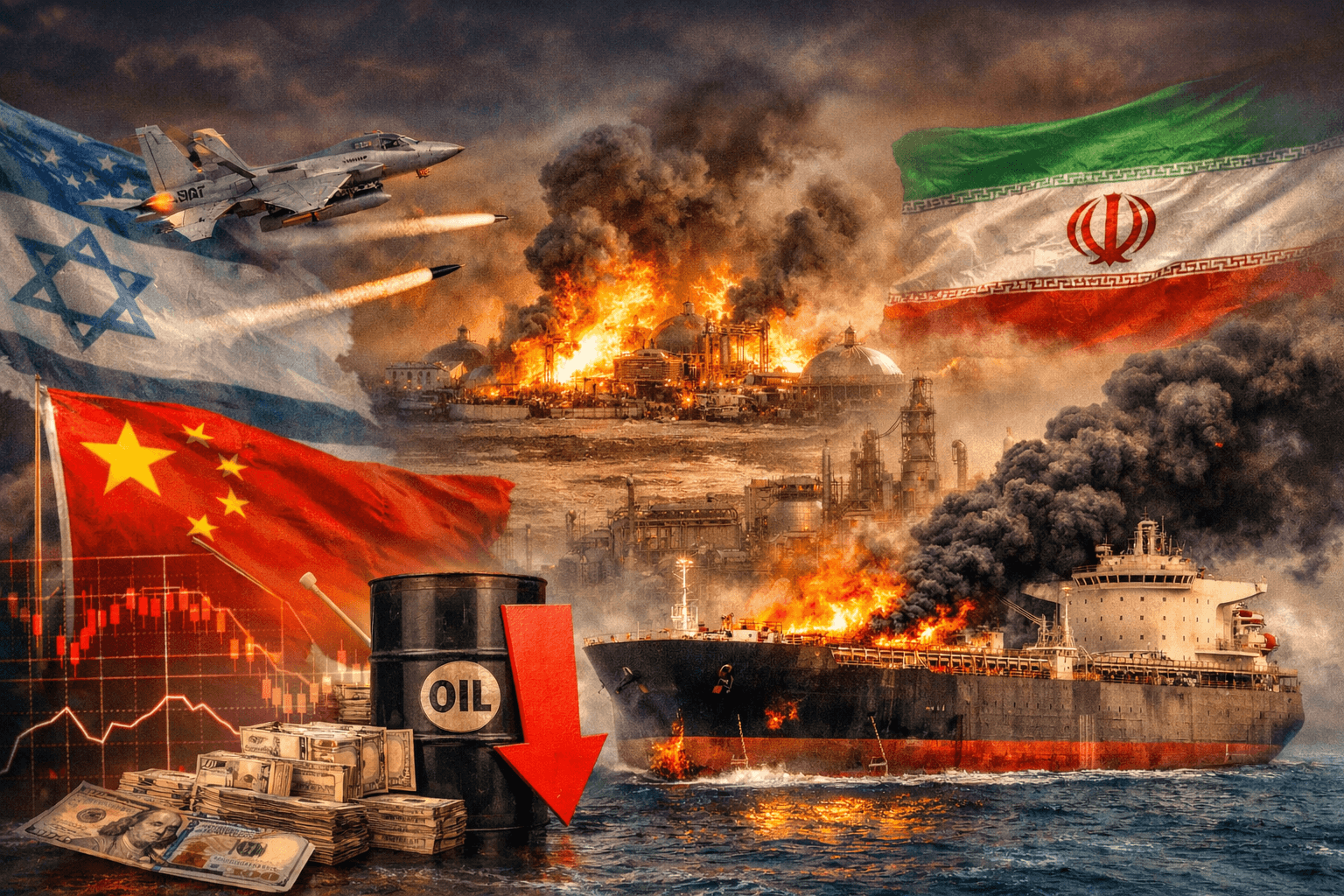
U.S. and Israeli Attacks Escalate Middle East Conflict
On February 28, 2026, the United States and Israel launched coordinated military strikes across Iran, killing Supreme Leader Ayatollah Ali Khamenei and targeting military and strategic facilities as part of a large-scale offensive. U.S. and Israeli officials described the operation as aimed at degrading Iran’s nuclear and missile capabilities; Iranian state media and allied outlets reported that Khamenei’s death was confirmed the following day.
In retaliation, Iranian forces have launched missile and drone strikes on targets in Israel and US bases in Gulf states, sparking a broader regional confrontation. Casualties have been reported on multiple fronts, and airspace and shipping disruptions are spreading across the region.
At the United Nations Security Council, the conflict has drawn condemnation and calls for de-escalation from many world leaders, while Russia and China strongly criticized the US-Israel strikes. China called for an immediate ceasefire and return to talks and has issued advisories to evacuate its citizens from conflict zones.
Impact on China’s Oil Supply and Global Energy Markets
China’s Strategic Exposure
China is a critical importer of Middle Eastern oil, with Gulf exports especially from Iran playing a key role in meeting energy demand. Roughly 20% of the world’s crude oil flows through the Strait of Hormuz, a narrow bottleneck that borders Iran and Oman, on its way to global markets including China’s refineries.
Traditionally, Iran has exported a significant share of its crude to China. Disruptions to Iranian exports or prolonged instability in the Strait of Hormuz would directly threaten China’s energy security, forcing Beijing to seek alternative supplies or pay higher prices.
Oil Price Volatility
Already, global oil prices have jumped sharply amid fears of supply disruptions caused by the strikes and Iran’s retaliatory posture. Analysts warn that prolonged instability could push Brent crude and other benchmarks much higher, especially if shipping through the Strait of Hormuz is impeded.
Industry forecasters also outline scenarios where oil prices might spike beyond historic thresholds if Iranian forces try to leverage the strait or target additional energy infrastructure.
Diplomatic Fallout and China’s Calculated Response
Beijing’s Public Stance
China’s leadership has taken a firm but measured diplomatic line. Beijing has condemned the attacks as violations of international law and urged restraint, while advocating for talks rather than conflict. This reflects both concern for regional stability and the need to protect China’s energy supplies and economic interests.
Despite the strong rhetoric, analysts believe China will likely avoid direct confrontation with the United States and instead pursue calibrated diplomacy, balancing its opposition to military escalation with its deep economic ties to both Iran and global energy markets.
Tensions with Ongoing Trade Talks
The strikes come at a sensitive moment for U.S.-China relations, with high-level diplomacy already scheduled later this spring. The conflict threatens to complicate these talks by intertwining trade issues with broader strategic and security concerns.
Broader Regional and Global Risks
Beyond China, the turmoil has raised global economic alarms, with stock markets jittery and investors bracing for inflationary pressures from rising fuel costs. The disruption has affected air travel and commercial shipping, pointing to potential knock-on effects across global supply chains.
If the conflict expands further, the risk of broader Middle East instability and long-term shifts in global energy alignments could reshape international relations for years to come.
Topics
Covering startup news, AI, technology, and business at ThePrimely. Delivering accurate, in-depth reporting on the stories that shape the future.