
Sensex Slides 852 Points as Oil Hits $100 on Tensions
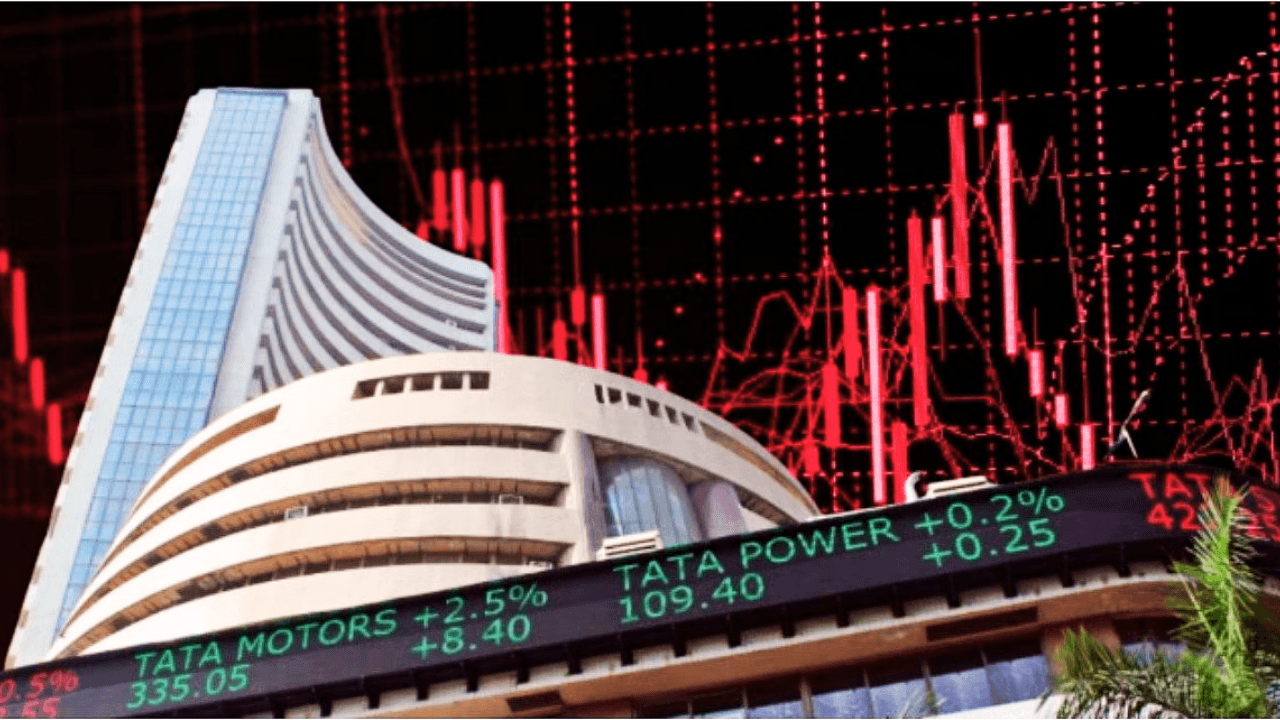
India’s stock markets extended their losses on April 23, with the Sensex falling sharply as crude oil prices crossed the $100 mark. The decline reflects growing global uncertainty linked to escalating tensions between the United States and Iran.
The market reaction was immediate and broad-based. Investors turned cautious as rising oil prices raised concerns about inflation, economic stability, and corporate profitability.
What Triggered the Market Falls
The 30-share Sensex dropped 852 points, closing at 77,664, while the Nifty fell over 200 points to end near 24,173.
The key trigger was a sharp rise in crude oil prices, which surged above $100 per barrel amid stalled diplomatic talks between the US and Iran.
This geopolitical tension has disrupted global energy markets, pushing investors into risk-averse mode. At the same time, weak cues from global markets added further pressure.
Why Oil Prices Matter for India
India is one of the world’s largest crude oil importers. When oil prices rise, it increases import costs, fuels inflation, and impacts fiscal stability.
The current surge is linked to disruptions in global supply chains, particularly around the Strait of Hormuz, a critical route for oil shipments.
Higher fuel costs also affect multiple sectors, including transport, manufacturing, and consumer goods. This creates a ripple effect across the economy and reduces corporate margins.
Other Factors Behind the Decline
Apart from oil prices, several additional factors contributed to the market fall.
Foreign institutional investors continued to pull money out of Indian equities, reflecting global risk aversion. Weak trends in Asian and European markets also weighed on sentiment.
The Indian rupee weakened past the 94 mark against the US dollar, adding further pressure on equities.
At the sector level, financial and auto stocks led the decline, while IT stocks remained under pressure due to earnings concerns.
Market Impact Across Sectors
The sell-off was widespread, with most sectors closing in the red. Auto and financial stocks were among the biggest losers due to their sensitivity to economic cycles and fuel costs.
However, some defensive sectors like pharmaceuticals showed resilience, indicating a shift in investor preference toward safer assets during uncertainty.
This pattern reflects a classic market response during periods of global stress, where investors move away from growth-oriented sectors.
Strategic Implications for Investors
The current market decline highlights how global geopolitical events can quickly impact domestic markets.
Sustained oil prices above $100 could increase inflation and force policy adjustments by central banks. Analysts also warn that prolonged energy disruptions may widen India’s trade deficit and strain economic growth.
For investors, this environment calls for caution, diversification, and a focus on fundamentals rather than short-term market movements.
Topics
Covering startup news, AI, technology, and business at ThePrimely. Delivering accurate, in-depth reporting on the stories that shape the future.