
Trust Over Everything: Anthropic India Chief on AI Adoption
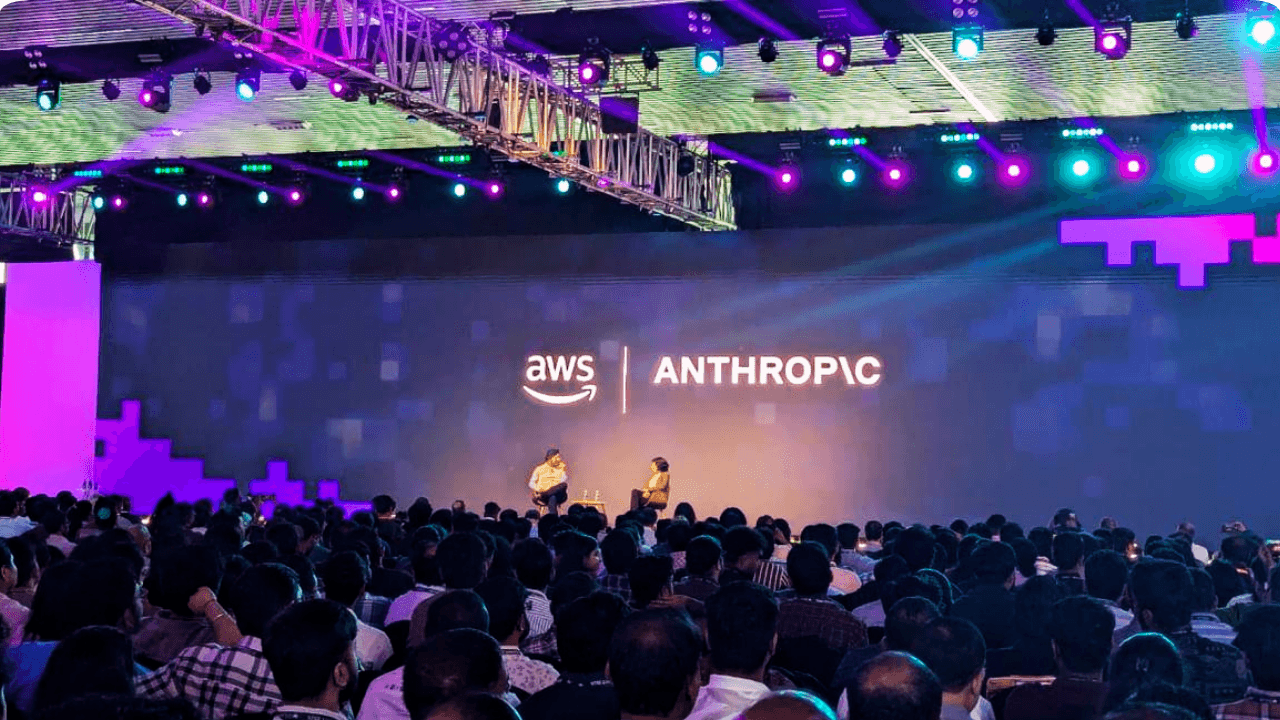
Trust has become the defining factor in artificial intelligence adoption, according to Anthropic’s India head Irina Ghose. Speaking at a recent industry event, she made it clear that businesses no longer see AI as just a technological upgrade. They see it as a system that must be reliable, safe, and accountable.
This shift reflects a deeper change in how companies approach AI. The focus is no longer just on capability. It is on whether the technology can be trusted in real-world operations.
Why Trust in AI Is Becoming Central
Irina Ghose emphasized that “trust trumps everything else” when enterprises evaluate AI systems.
This statement captures a growing industry concern. AI models are powerful, but they can produce errors or “hallucinations.” Without safeguards, these risks limit adoption in critical sectors.
Businesses today expect AI systems to deliver consistent results, protect data, and operate transparently. Trust is no longer optional. It is a requirement for deployment at scale.
The Role of Safety and Responsibility
Anthropic’s approach to AI development places safety and capability on equal footing. Ghose highlighted that both are treated as part of the same engineering problem, not separate stages.
The company focuses on three key principles. These include ensuring honesty in AI outputs, improving reasoning capabilities, and protecting user data from misuse.
This model reflects a broader industry trend. Companies are embedding safeguards directly into AI systems instead of adding them later. The goal is to reduce risk while maintaining performance.
India’s Growing Role in AI Adoption
India has emerged as a major market for AI deployment. Anthropic sees the country as a key growth region, with strong enterprise demand and a large developer base.
Indian organizations are moving beyond pilot projects and using AI in real-world applications across industries.
This shift indicates a maturing market. Companies are no longer experimenting with AI. They are integrating it into core operations, from software development to business workflows.
Anthropic’s own data shows that India is among its largest global markets, driven largely by technical and enterprise use cases.
From Experimentation to Real Impact
The transition from experimentation to deployment is a critical turning point. Enterprises are now focused on outcomes rather than proofs of concept.
AI systems are being used to solve practical problems, including automation, analytics, and system modernization. This reflects a broader shift toward operational AI.
However, this transition depends heavily on trust. Without confidence in AI systems, businesses hesitate to scale their use.
Strategic Implications for the AI Industry
Anthropic’s trust-first approach highlights a key strategic direction for the industry. Companies that prioritize safety and transparency are more likely to gain enterprise adoption.
This also changes how AI products are designed. Instead of focusing only on performance metrics, developers must consider reliability, governance, and ethical use.
For enterprises, this means choosing AI platforms that align with long-term operational needs, not just short-term efficiency gains.
Topics
Covering startup news, AI, technology, and business at ThePrimely. Delivering accurate, in-depth reporting on the stories that shape the future.