
'Whole Civilization Will Die Tonight...': Trump's Warning to Iran
A High Stakes Warning That Shifts Global Attention
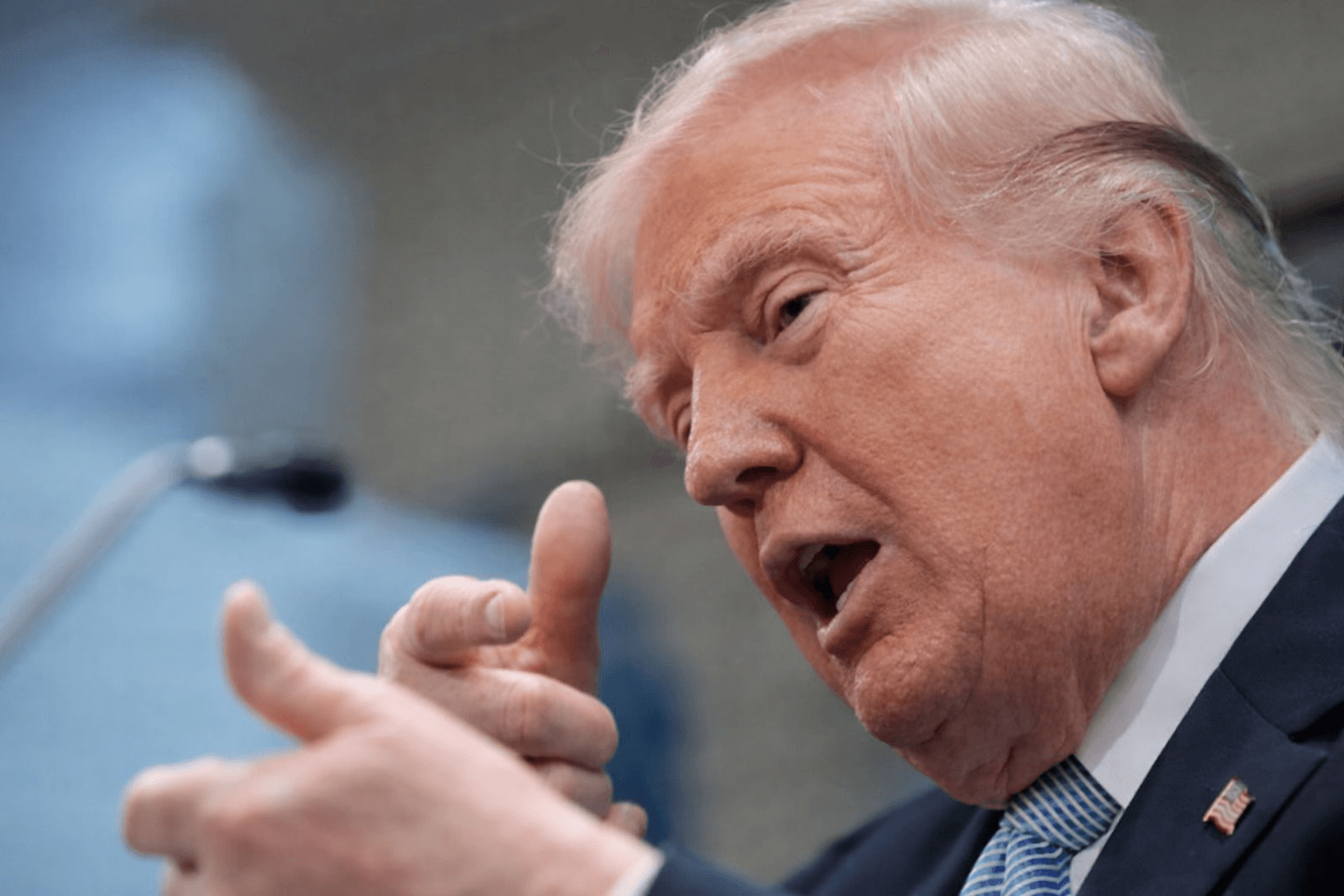
The latest Trump warning to Iran has triggered serious global concern. Donald Trump issued a stark message, stating that “a whole civilisation will die tonight” if tensions escalate further. This statement comes as a critical deadline linked to the Strait of Hormuz approaches. The warning has intensified focus on an already volatile geopolitical situation.
What Triggered This Escalation
The warning centers on rising tensions between the United States and Iran. The situation has escalated around the Strait of Hormuz, a crucial global oil transit route.
Reports indicate that the deadline relates to potential actions that could disrupt shipping through this narrow passage. Any disruption here could impact nearly a fifth of the world’s oil supply. Therefore, the stakes remain exceptionally high.
Why the Strait of Hormuz Matters
The Strait of Hormuz holds unmatched strategic importance. It connects major oil producers in the Middle East to global markets. Over the years, tensions in this region have repeatedly threatened global energy stability. Iran has previously signaled its ability to influence shipping routes, especially during periods of conflict.
As a result, global powers closely monitor every development in this corridor.
Key Developments Behind Trump Warning to Iran
Trump’s statement reflects growing urgency in Washington’s stance. He has framed the situation as a potential large scale crisis rather than a limited conflict. Officials have not confirmed specific military plans. However, the tone of the warning suggests readiness for decisive action if red lines are crossed. Meanwhile, Iran has not publicly responded in full detail to this specific warning. This silence adds uncertainty to the situation.
Strategic Implications for Global Stability
This warning signals more than political rhetoric. It highlights the risk of rapid escalation into a broader conflict. If tensions rise further, global markets could react sharply. Oil prices may surge due to supply fears. Shipping routes could face disruption, affecting international trade flows.
Moreover, such developments often influence diplomatic alignments. Countries may reassess their positions quickly in response to evolving risks.
Economic and Energy Market Impact
Energy markets remain highly sensitive to developments in the Strait of Hormuz. Even minor disruptions can trigger significant price volatility.
India, China, and European economies depend heavily on stable oil flows through this route. Therefore, any escalation could increase fuel costs and inflation pressures globally. In addition, insurance costs for shipping may rise. This would further increase the cost of transporting goods.
What Comes Next in This Crisis
The immediate focus remains on whether tensions will de escalate or intensify. Diplomatic channels may attempt to prevent further escalation. At the same time, military readiness in the region could increase as a precaution. Governments will closely track signals from both Washington and Tehran. The next few days will likely determine the direction of this crisis.
A Warning with Global Consequences
The Trump warning to Iran reflects a moment of high geopolitical risk. It combines strong rhetoric with real strategic implications. While no immediate escalation has occurred, the potential impact remains significant. Global markets, governments, and security agencies will continue to monitor the situation closely. This moment demands careful diplomacy and measured responses. The cost of miscalculation could extend far beyond the region.
FAQ's
1. What did Donald Trump say about Iran?
Donald Trump warned that “a whole civilisation will die tonight” if tensions escalate around the Hormuz situation.
2. Why is the Strait of Hormuz important?
It is a key global oil transit route, handling a large share of the world’s oil supply.
3. What could happen if tensions escalate?
Escalation could disrupt oil supply, raise prices, and trigger wider geopolitical conflict.
4. Has Iran responded to the warning?
There has been no detailed official response reported so far.
5. How does this affect global markets?
Markets may face volatility, especially in oil prices and shipping costs, due to uncertainty.
Topics
Covering startup news, AI, technology, and business at ThePrimely. Delivering accurate, in-depth reporting on the stories that shape the future.