
Trump Officials Rule Out Treasury Oil Futures Trades as Oil Prices Surge
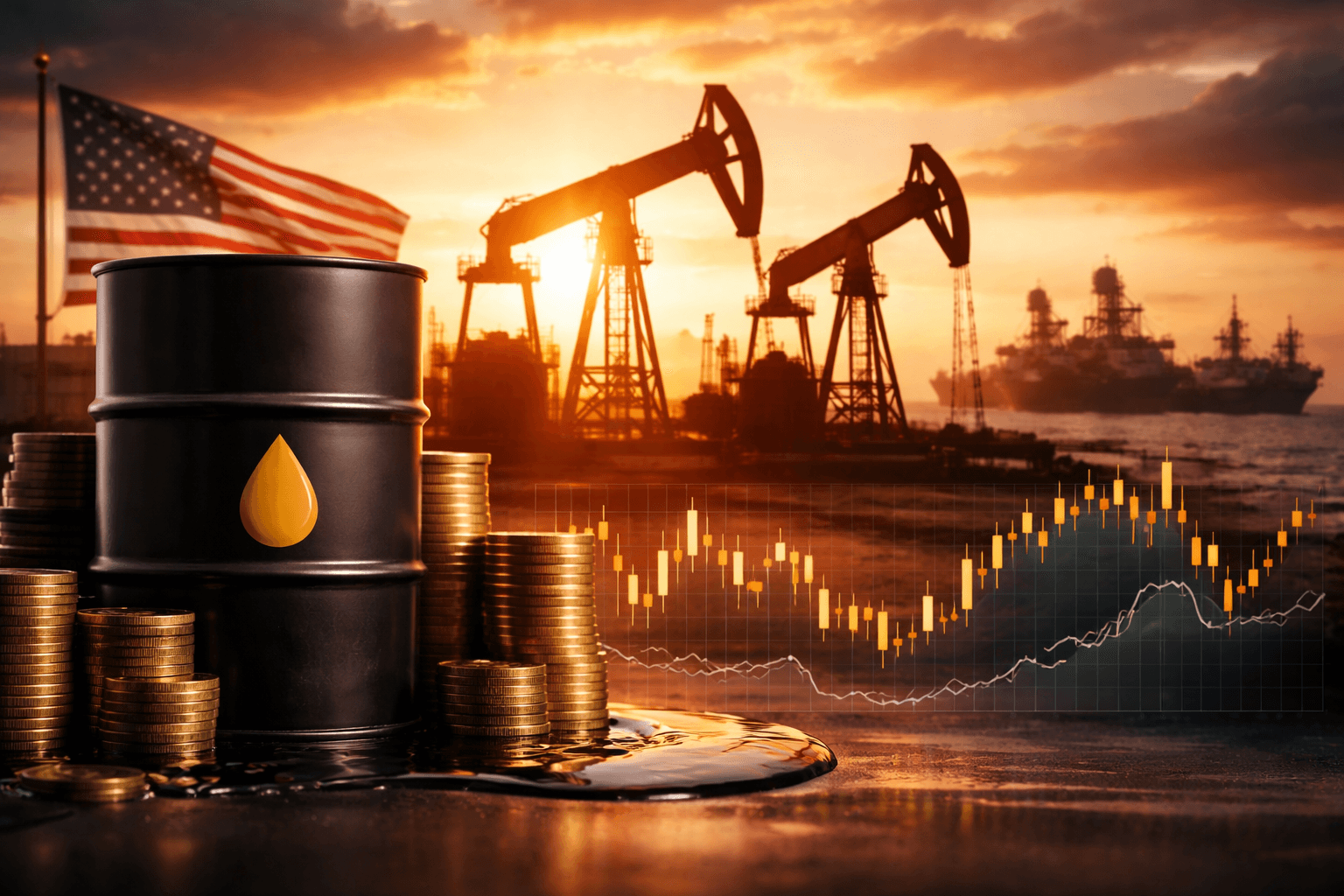
Global energy markets are under pressure again. Oil prices have surged following escalating conflict in the Middle East. In response, policymakers in Washington examined several emergency tools to stabilize markets.
However, officials have now ruled out Treasury oil futures trades as an immediate strategy. The decision reflects concerns about limited market influence and broader structural issues in global oil supply.
The move signals a cautious approach to market intervention while energy volatility continues to grow.
Rising Oil Prices Trigger Policy Debate
Oil markets have reacted sharply to the ongoing Iran conflict. Supply disruptions across the Middle East have tightened global availability and pushed prices upward.
Since the conflict began, crude oil prices have climbed significantly. U.S. crude futures alone surged nearly 21 percent during the early phase of the crisis. Meanwhile, global benchmarks such as Brent crude recorded one of the strongest weekly increases since the Russia Ukraine war began in 2022.
Fuel prices have followed the trend. The average gasoline price in the United States has risen 27 cents to about $3.25 per gallon. These increases have intensified political and economic pressure on policymakers to stabilize energy costs.
Initially, the U.S. administration explored unconventional financial tools. Among them was the possibility of intervening directly in energy markets through Treasury oil futures trades.
you might like this :- Rupee crashes past ₹92 as Iran war shock hits Indian markets
Why Treasury Oil Futures Trades Were Considered
Financial Market Intervention Strategy
Traditionally, governments respond to oil price shocks by releasing physical crude from strategic reserves. However, officials examined a different approach this time.
The idea involved the U.S. Treasury Department buying or selling oil futures contracts. Such a move could influence market expectations and potentially reduce speculative price spikes.
Some policymakers viewed financial intervention as faster and more flexible than releasing physical oil supplies. The concept also aligns with the financial market expertise of Treasury leadership.
In theory, large futures trades could signal government intent and influence market sentiment.
Yet the strategy carries significant uncertainty.
Why Officials Rejected Treasury Oil Futures Trades for Now
Limited Market Influence
After internal discussions, officials concluded that Treasury oil futures trades would likely have minimal impact on prices.
The oil futures market is enormous. Daily trading volumes far exceed what any single government participant could realistically influence. As a result, even substantial Treasury positions might not move prices in a meaningful way.
Furthermore, traders could easily counter government positions if underlying supply shortages remain unresolved.
Therefore, policymakers determined that the strategy could create risk without delivering measurable results.
Strategic Petroleum Reserve Also Under Review
Another potential option involved the Strategic Petroleum Reserve (SPR). Historically, the United States has released oil from this reserve during supply shocks.
However, officials remain cautious.
Current reserve levels stand at roughly 60 percent of full capacity. After heavy drawdowns in previous energy crises, policymakers are reluctant to deploy the reserve aggressively unless conditions worsen.
The SPR therefore remains a secondary option rather than an immediate response.
This cautious stance reflects a broader effort to preserve emergency supply buffers.
Market Impact and Investor Sentiment
Volatility Across Energy Markets
Even rumors of government intervention have already influenced markets.
Earlier reports suggesting potential futures intervention caused oil prices to dip temporarily. That reaction highlights how sensitive markets remain to policy signals.
However, underlying supply risks continue to dominate investor sentiment. The Middle East remains a critical source of global energy supply. Any escalation in regional conflict can disrupt production or transportation routes.
Therefore, volatility is likely to remain elevated in the short term.
Strategic Implications for Energy Policy
The debate over Treasury oil futures trades reflects a broader shift in how governments think about energy crises.
Three important trends are emerging:
1. Financial Tools Are Entering Energy Policy
Governments increasingly consider financial market mechanisms alongside physical supply actions.
2. Geopolitics Now Drives Oil Volatility
Energy markets respond immediately to geopolitical shocks. Financial markets amplify those reactions.
3. Strategic Reserves Are Becoming Scarcer Tools
Countries are more cautious about using emergency reserves after heavy drawdowns in recent years.
Together, these factors are reshaping the policy toolkit available to governments during energy crises.
Future Outlook for Oil Markets
Several variables will determine the direction of global oil prices.
First, the trajectory of the Iran conflict remains critical. Any expansion of hostilities could disrupt key shipping routes or regional production.
Second, policy responses from major economies may shift market expectations. Governments still have several options available, including regulatory changes, diplomatic supply agreements, or targeted financial measures.
Finally, global demand trends will influence price stability. Slower economic growth could offset supply disruptions.
For now, policymakers appear committed to monitoring markets rather than intervening aggressively.
The decision to rule out Treasury oil futures trades highlights the limits of financial intervention in global commodity markets.
Despite rising energy prices, officials concluded that direct futures trading would likely have minimal impact on oil markets. Instead, the administration is preserving more traditional tools such as the Strategic Petroleum Reserve while continuing to evaluate broader energy policy options.
As geopolitical tensions persist, oil markets will remain highly sensitive to both supply risks and policy signals. The coming weeks will determine whether volatility stabilizes or escalates further.
Topics
Covering startup news, AI, technology, and business at ThePrimely. Delivering accurate, in-depth reporting on the stories that shape the future.