
Trump Iran Energy Threat Escalates Hormuz War Risk
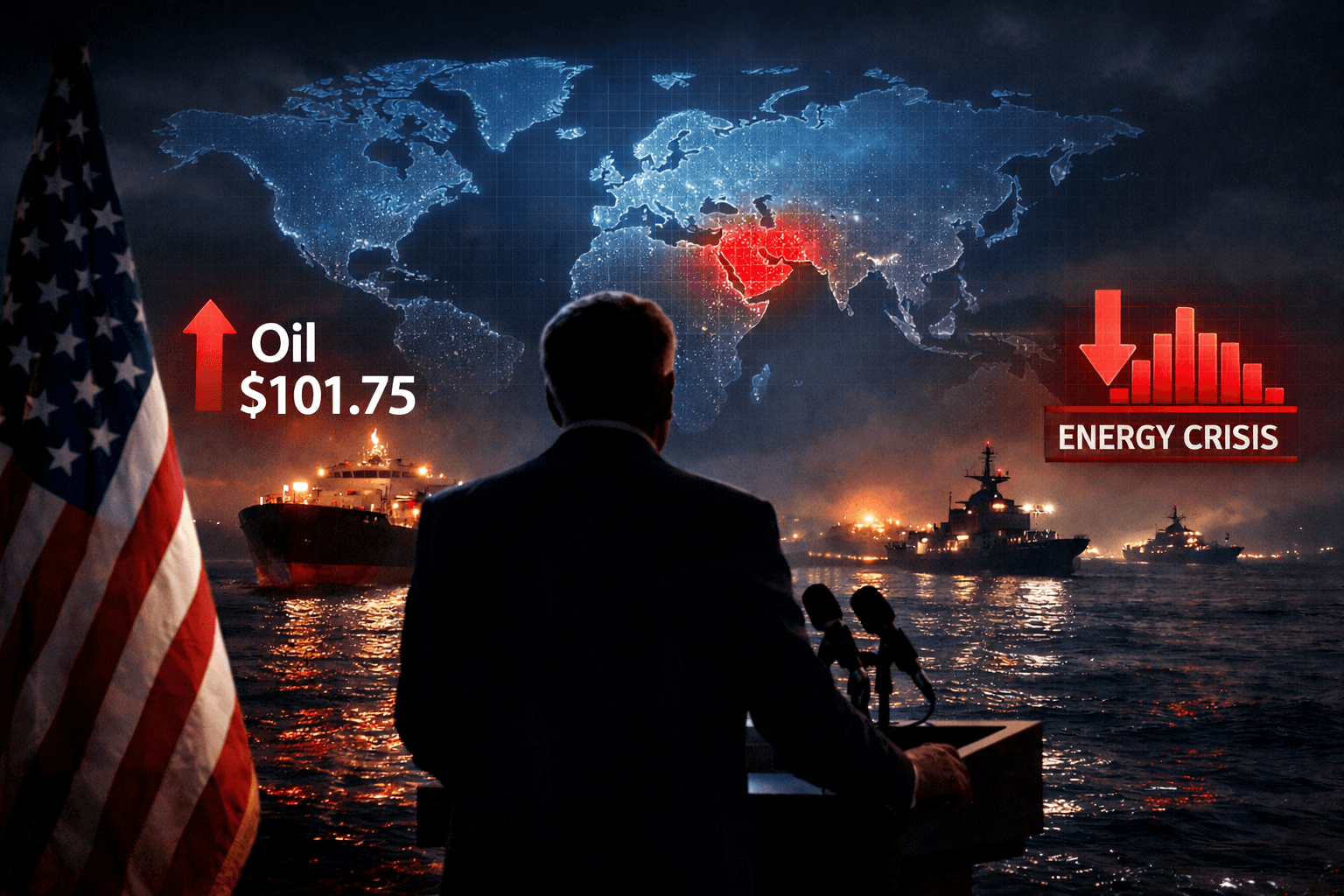
The conflict between the United States and Iran has entered a more dangerous phase, with both sides warning of potential strikes on energy infrastructure that could deepen the global oil crisis.
US President Donald Trump warned that Washington could target Iranian power plants if Tehran does not fully reopen the Strait of Hormuz, a vital global oil shipping route.
Iran responded by threatening retaliation against US-linked energy and infrastructure assets across the Gulf, signalling that the conflict could increasingly focus on economic pressure rather than only military confrontation.
The exchange of warnings marks one of the clearest indications that energy supply has become a central battleground in the war.
Why Energy Infrastructure Has Become the Main Target
Energy systems play a strategic role in modern conflicts. Oil terminals, power plants and gas facilities support both civilian economies and military operations.
Trump’s warning of possible strikes on Iranian power infrastructure aims to pressure Tehran into reopening shipping routes through the Strait of Hormuz.
About one fifth of global oil supply passes through the narrow waterway connecting the Persian Gulf to international markets.
Even partial disruption can lead to major price spikes, affecting inflation, transport costs and industrial production worldwide.
Analysts say the growing focus on energy infrastructure reflects attempts to weaken economic resilience rather than achieve rapid battlefield victories.
Strait of Hormuz Remains at Centre of Crisis
The Strait of Hormuz has emerged as the key strategic location in the conflict.
Iran has signalled that the waterway remains open to ships that do not belong to countries it considers hostile, creating a system of selective access.
Shipping data shows a sharp decline in vessel traffic as insurers and operators remain cautious about entering the high-risk zone.
The disruption has already pushed oil prices sharply higher and created fears of a prolonged global energy shock.
Some analysts describe the situation as the most serious oil supply disruption since the 1970s energy crisis.
Growing Risk of Regional Escalation
The energy threats come amid expanding military activity across the Middle East.
Missile attacks and air strikes have targeted sites in Iran, Israel and neighbouring countries, increasing fears of wider regional involvement.
Reports indicate that Iranian missiles have targeted areas near strategic facilities, while retaliatory strikes have hit infrastructure linked to military operations.
Diplomatic efforts continue, but tensions remain high as both sides attempt to maintain strategic leverage.
International observers warn that attacks on energy facilities could significantly increase the economic cost of the war.
Global Markets React to Rising Uncertainty
Energy markets remain highly sensitive to developments in the conflict.
Oil prices have surged to multi-year highs as traders react to the risk of supply disruption.
Higher fuel costs could lead to increased inflation, slower economic growth and pressure on central banks.
Analysts warn that further escalation could create a prolonged period of volatility across financial markets.
Some experts caution that even threats alone can influence prices, as uncertainty increases risk premiums in energy markets.
Pressure on Allies and Trading Partners
The crisis has also placed pressure on US allies and major oil-importing countries.
Nations dependent on Middle Eastern crude have explored diplomatic channels to ensure safe passage for vessels.
Some governments have discussed naval escort missions, while others seek negotiated access with regional authorities.
The situation reflects how energy security often shapes foreign policy decisions during geopolitical crises.
Global powers remain cautious about becoming directly involved in military operations.
A Conflict That Extends Beyond the Battlefield
The Trump Iran energy threat illustrates how modern conflicts often centre on economic leverage.
Energy infrastructure has become a strategic tool capable of influencing global markets and diplomatic negotiations.
Experts say prolonged disruption in the Strait of Hormuz could reshape global trade patterns and accelerate diversification of energy sources.
While military confrontation continues, the broader struggle increasingly focuses on supply chains, infrastructure and economic resilience.
For now, the conflict continues to evolve, with the global economy closely watching developments in one of the world’s most critical energy corridors.
Topics
Covering startup news, AI, technology, and business at ThePrimely. Delivering accurate, in-depth reporting on the stories that shape the future.