
Trump Global Tariffs Ruling: Court Reshapes US Trade Power
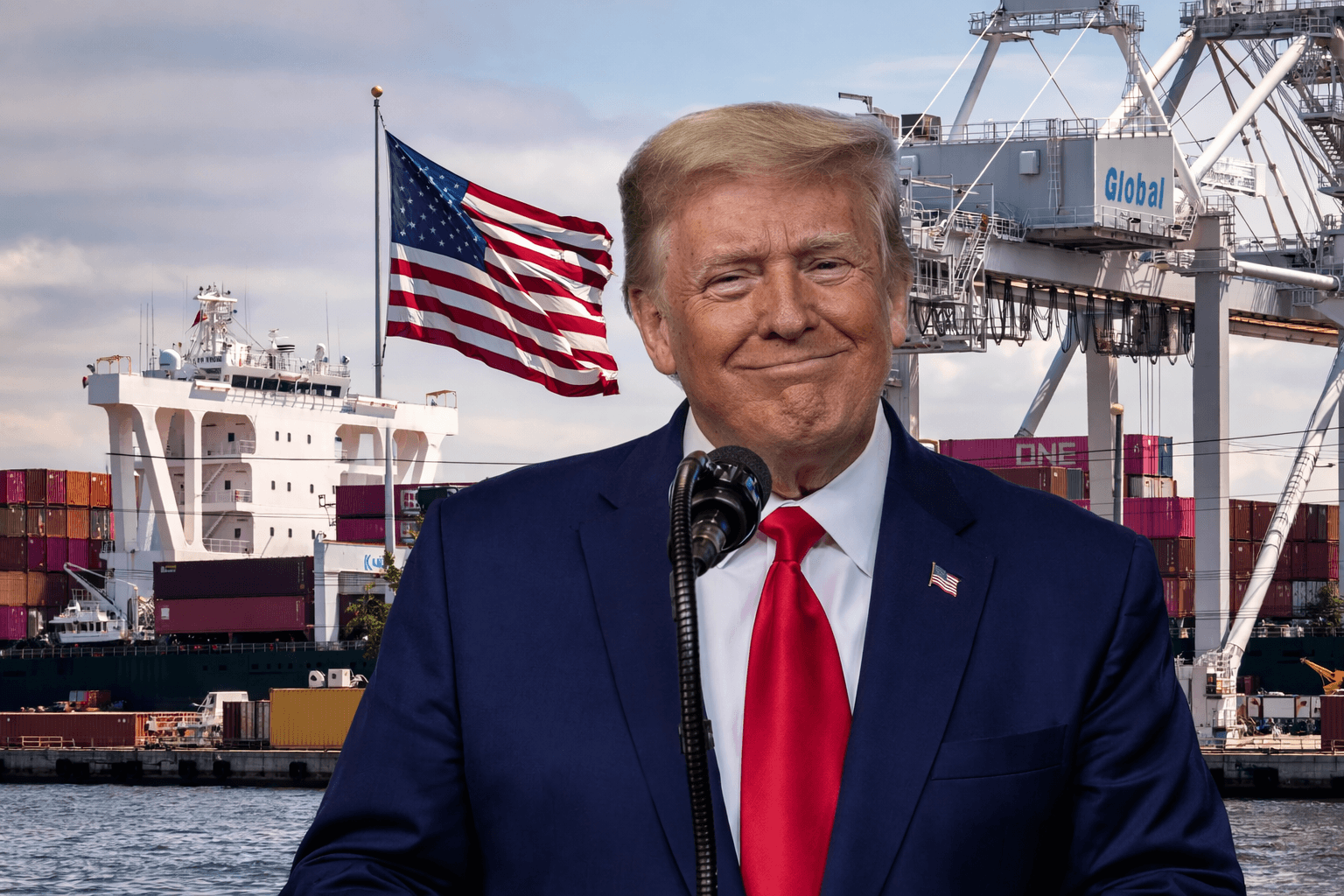
Trump Global Tariffs Ruling Reshapes US Trade Policy and Global Economic Ties
The Trump global tariffs ruling has reshaped the balance of power in U.S. trade policy after the U.S. Supreme Court struck down sweeping import duties imposed using emergency authority.
The court ruled that former president Donald Trump exceeded executive powers by applying broad tariffs without congressional approval. As a result, long-standing trade measures affecting global partners now stand invalid.
Impact on US manufacturing and costs
The Trump global tariffs ruling is expected to reduce input costs for U.S. manufacturers that rely on imported components. Therefore, companies in sectors such as automobiles, machinery and electronics may see margin relief.
However, manufacturers that benefited from tariff protection could face renewed competition. Meanwhile, firms that reshaped supply chains due to tariffs may reassess sourcing strategies.
Import prices and inflation outlook
Lower import duties should ease price pressures on consumer goods and industrial inputs. Consequently, economists expect modest downward pressure on inflation over time.
At the same time, companies that passed tariff costs to consumers may adjust pricing gradually. Refund claims for previously paid duties could also influence cash flows and pricing decisions.
Trade relations with key partners
The ruling is likely to reduce friction with major U.S. trading partners. Canada and the European Union may view the decision as a step toward more predictable trade relations.
Meanwhile, China gains short-term relief from broad tariff exposure. However, strategic trade competition between Washington and Beijing is expected to continue through other policy channels.
For India, the ruling offers greater clarity for exporters and global firms planning supply chains. Indian manufacturers could benefit from steadier access to U.S. markets as companies diversify sourcing.
Political implications in Washington
The decision reinforces Congress’s constitutional role over tariffs. Therefore, future administrations may need legislative backing for large-scale trade actions.
At the same time, lawmakers may debate new statutes to restore limited trade authority. Any such move could shape future trade negotiations and domestic industrial policy.
What comes next
Markets will watch how quickly importers seek refunds and how policymakers respond. While the ruling removes a major trade tool, it does not end U.S. trade enforcement.
Instead, it signals a shift toward narrower, legally defined measures. The Trump global tariffs ruling therefore marks a turning point in how the United States balances trade power, economic policy and global relationships.
Topics
Covering startup news, AI, technology, and business at ThePrimely. Delivering accurate, in-depth reporting on the stories that shape the future.