
Trump Announces $300 Billion Texas Oil Refinery With Reliance Investment
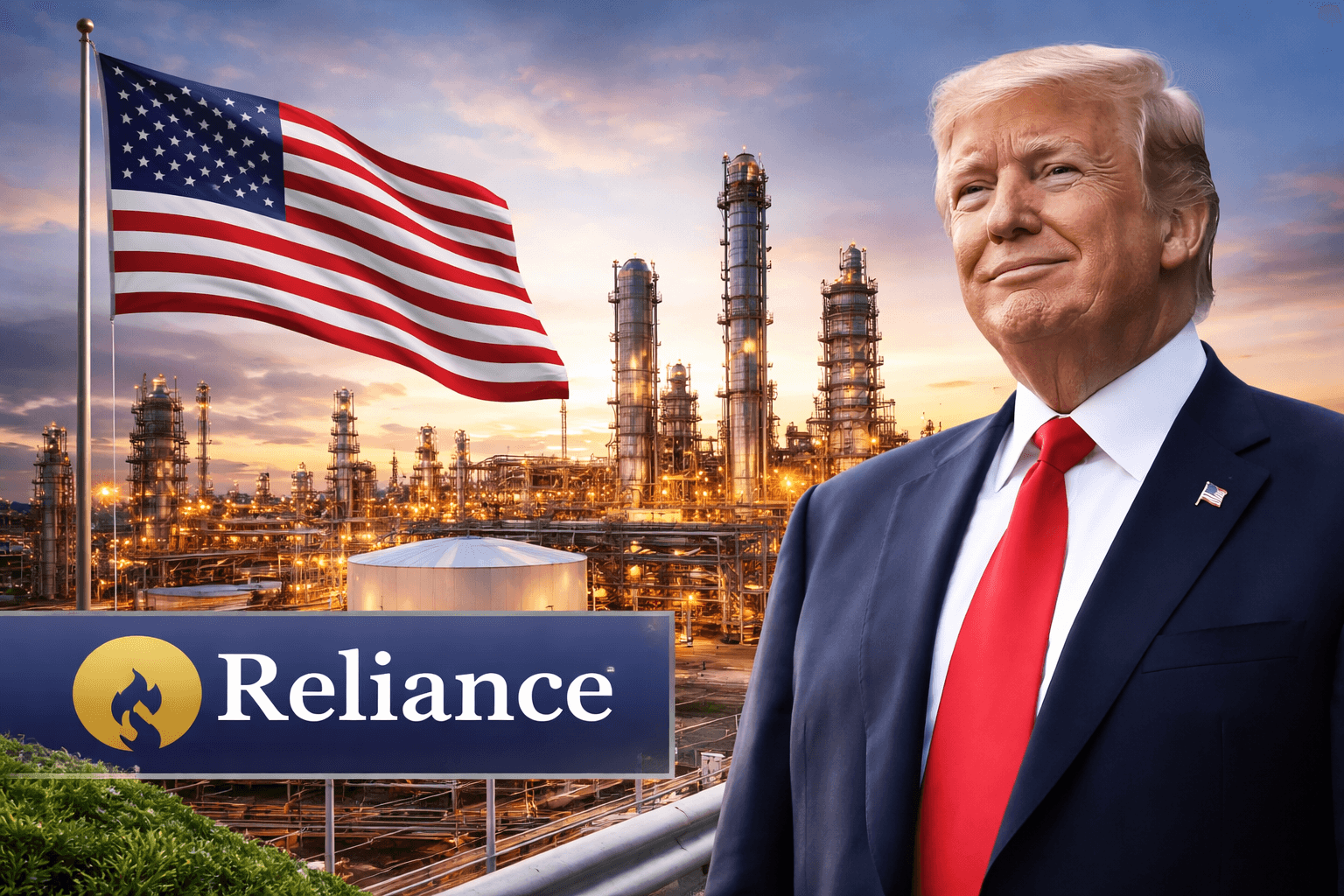
A Landmark Energy Investment Reshapes the Global Refining Landscape
Former US President Donald Trump has announced plans for a $300 billion oil refinery project in Texas, one of the largest energy investments ever proposed in the United States.
The announcement immediately captured global attention. Trump credited India’s Reliance Industries for its “tremendous investment” and partnership in the project.
The Trump Texas oil refinery project signals more than industrial expansion. It reflects shifting global energy strategies, supply chain resilience, and geopolitical collaboration in a volatile oil market.
The Scale and Vision Behind the Texas Refinery Project
The proposed refinery will be located in Texas, the center of the American oil and gas industry.
According to the announcement, the investment could reach $300 billion, making it one of the largest private energy infrastructure projects ever considered.
Trump emphasized three strategic goals:
- Expanding US refining capacity
- Strengthening domestic energy security
- Creating large scale employment
He also highlighted the expected economic impact on the region. Large refinery projects often support tens of thousands of construction jobs and thousands of permanent positions once operational.
Texas already hosts many major refining facilities. However, the size of this proposed project would place it among the largest energy infrastructure developments in modern history.
Why Reliance Industries Matters in This Investment
The involvement of Reliance Industries, led by Mukesh Ambani, adds global industrial credibility to the project.
Reliance operates one of the largest refining complexes in the world at Jamnagar Refinery. That facility processes more than 1.2 million barrels of crude oil per day.
Because of this expertise, Reliance has deep experience in:
- Large scale refinery engineering
- Petrochemical integration
- Global crude supply management
This collaboration also reflects how energy infrastructure increasingly requires international capital and technical expertise.
Economic Impact on the United States
A refinery of this scale could reshape the regional economy.
Large energy projects typically stimulate multiple industries simultaneously. Construction firms, engineering companies, logistics operators, and petrochemical suppliers all benefit from the investment.
Potential economic effects include:
1. Massive Job Creation
Infrastructure projects worth hundreds of billions require a huge workforce. Construction alone could employ thousands for several years.
2. Industrial Expansion
New refining capacity supports petrochemicals, plastics, and fuel distribution industries.
3. Local Economic Growth
Communities near refinery sites often experience increases in housing demand, retail activity, and infrastructure upgrades.
Texas already dominates US refining capacity. However, a new project of this magnitude would strengthen its leadership position even further.
Strategic Implications for Global Energy Markets
Beyond domestic economics, the Trump Texas oil refinery project has broader geopolitical implications.
Global oil markets are shifting rapidly due to geopolitical tensions, supply disruptions, and changing demand patterns.
Large refining capacity offers several strategic advantages:
Energy Security
Domestic refining reduces reliance on imported refined fuels.
Export Power
The United States has become a major exporter of gasoline, diesel, and petrochemicals.
Supply Chain Resilience
New refining infrastructure strengthens the ability to process diverse crude sources.
Moreover, partnerships with companies such as Reliance Industries demonstrate how international energy alliances can support long term supply stability.
Challenges and Questions Ahead
Despite the scale of the announcement, several critical issues remain.
Large refinery projects often face regulatory reviews, environmental scrutiny, and financing challenges. In addition, market conditions must support long term demand for refined products.
Other potential hurdles include:
- Environmental approvals
- Infrastructure planning
- Financing structures
- Construction timelines
Given the $300 billion scale, the project would likely unfold over many years if it proceeds.
Therefore, analysts view the announcement as a strategic signal rather than an immediate construction start.
Topics
Covering startup news, AI, technology, and business at ThePrimely. Delivering accurate, in-depth reporting on the stories that shape the future.