
Trump Downplays Policy Differences With Vance Over Iran Conflict
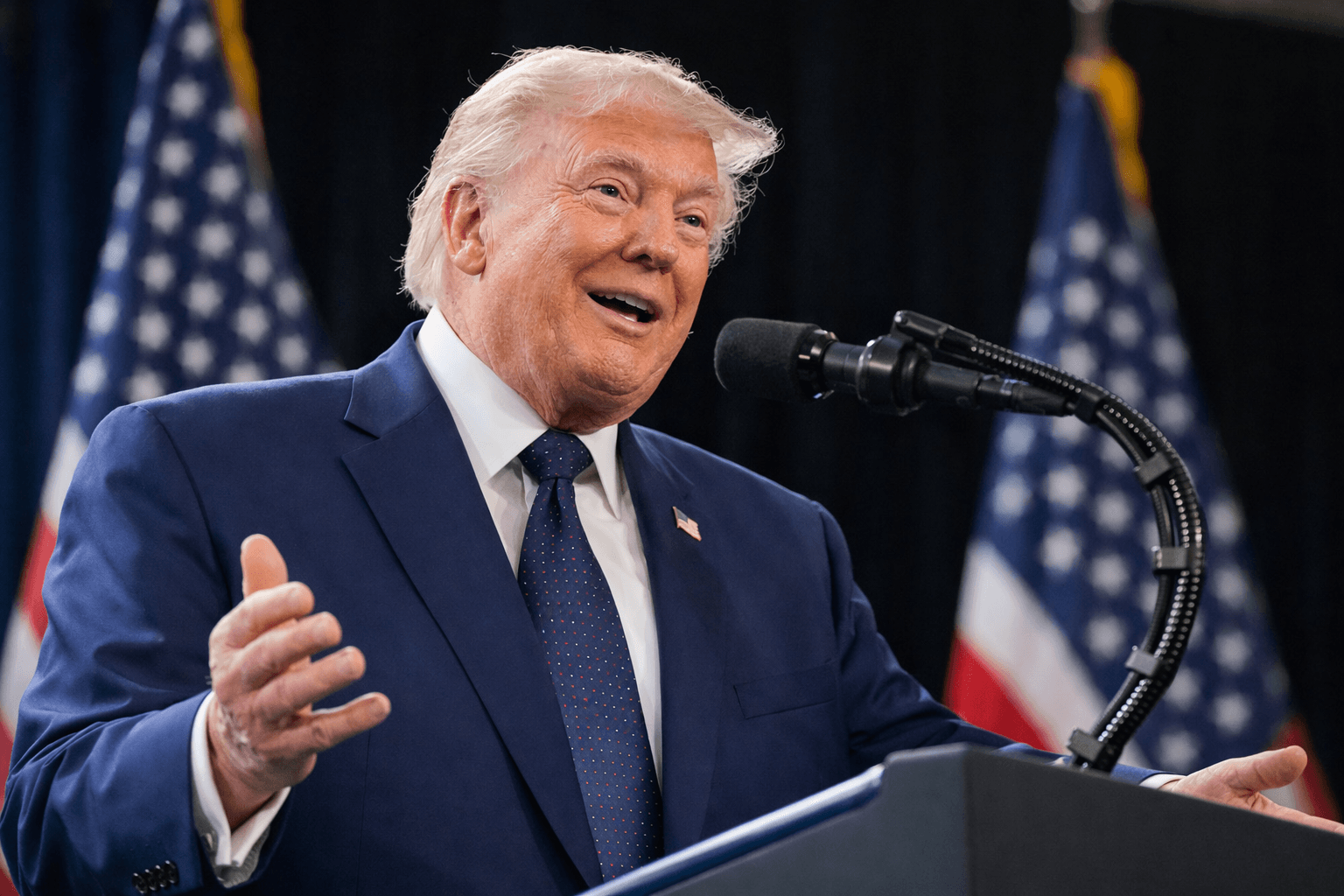
President Donald Trump has acknowledged that Vice President JD Vance held a slightly different philosophical position on the war in Iran. However, Trump rejected claims of a major disagreement within the administration.
Speaking to reporters at his golf club in Doral, Florida, Trump said Vance was initially “philosophically a little bit different” and “less enthusiastic” about striking Iran. Despite this difference, Trump emphasized that both leaders ultimately agreed on the decision to proceed with military action.
The comments come amid an escalating conflict between the United States and Iran and growing debate within U.S. political circles about the country’s foreign policy direction.
Trump Vance Iran Policy Differences: What the President Said
The discussion about Trump Vance Iran policy differences emerged during a press briefing where reporters asked the president about possible internal divisions in the administration.
Trump said there was no serious disagreement between him and the vice president. However, he acknowledged that Vance approached the issue with a slightly different perspective.
According to Trump, Vance was initially less eager to support military strikes against Iran but still backed the final decision.
Trump defended the operation by arguing that the United States had limited options. He said the airstrikes were necessary after Iran refused negotiations and continued actions that threatened U.S. interests.
“I felt it was something we had to do,” Trump said when explaining the decision to launch the attack.
Why JD Vance Took a More Cautious Approach
Vice President JD Vance has built much of his political identity around an “America First” foreign policy philosophy. This approach favors limiting overseas military engagements and focusing more on domestic priorities.
Vance, a former U.S. Marine and senator, has repeatedly warned against repeating long conflicts such as those in Iraq or Afghanistan.
In a previous opinion article, Vance argued that American leaders should avoid sending troops into wars without clear objectives or exit strategies.
These views explain why he reportedly approached the Iran operation with caution, even though he later publicly supported the administration’s strategy.
Growing Debate Inside the Republican Party
The Iran conflict has sparked wider debate among Republicans about the future of U.S. foreign policy.
Some members of the party support a strong military response to Iran, especially regarding concerns about nuclear development and regional security.
Others argue that large-scale overseas interventions contradict the isolationist-leaning “America First” movement that gained influence during Trump’s political rise.
Vice President Vance is often associated with this faction, which prioritizes avoiding prolonged foreign wars.
The discussion highlights a broader tension between traditional U.S. interventionist policies and the newer nationalist approach within the party.
Context: Escalating Conflict Between the United States and Iran
The comments come as the United States continues military operations against Iran.
U.S. officials say the campaign targets Iran’s missile capabilities, naval assets, and military infrastructure. The goal is to reduce Tehran’s ability to threaten regional stability and pursue nuclear weapons.
The conflict has already involved thousands of strikes and increased tensions across the Middle East.
At the same time, diplomatic uncertainty remains. While some officials have suggested possible negotiations, the situation continues to evolve as military operations intensify.
Strategic Implications for U.S. Foreign Policy
Although Trump downplayed the difference with Vance, the exchange reflects a broader strategic debate in Washington.
Key questions include:
- How aggressively the United States should confront Iran
- Whether military intervention aligns with the “America First” doctrine
- What long-term strategy should guide U.S. involvement in the Middle East
These debates are likely to influence future decisions about military operations and diplomatic engagement.
For policymakers, the challenge lies in balancing national security priorities with public concerns about prolonged foreign conflicts.
Topics
Covering startup news, AI, technology, and business at ThePrimely. Delivering accurate, in-depth reporting on the stories that shape the future.