
‘Only Friends’ Can Pass: Iran Allows India, Pakistan And 3 Others Through Hormuz Amid War
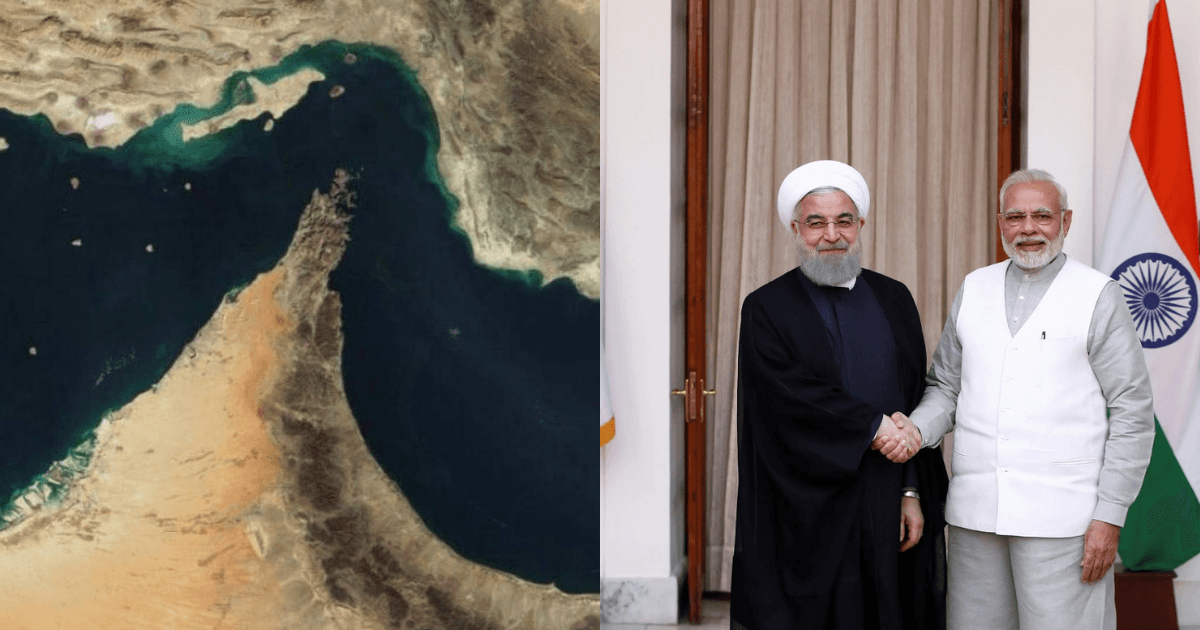
At a time of rising geopolitical tension, the Strait of Hormuz India access decision has altered the global energy narrative. Iran has allowed India and four other nations to pass through this critical route. This move ensures that vital oil flows remain uninterrupted despite conflict concerns.
Understanding the Situation
Iran has signaled a selective approach to maritime access. It has permitted “friendly nations,” including India and Pakistan, to continue using the Strait of Hormuz.
This passage is one of the world’s most critical oil transit routes. Nearly a fifth of global oil supply moves through it. Therefore, any restriction here directly impacts global energy markets.
Why Hormuz Matters
The Strait of Hormuz connects the Persian Gulf to global shipping lanes. It serves as a lifeline for oil exporting nations. Countries like Saudi Arabia, Iraq, and the UAE rely heavily on this route. For India, the dependence is strategic. A large portion of its crude oil imports passes through this corridor.
Hence, uninterrupted access is not optional. It is essential for economic stability.
Developments Behind Iran’s Decision
Selective Access Policy
Iran has not imposed a full blockade. Instead, it has introduced a controlled access model. Only selected nations are allowed passage. This reflects a calibrated geopolitical strategy.
Inclusion of India
India’s inclusion is significant. It highlights stable diplomatic engagement between the two countries. It also ensures continuity in India’s energy imports during uncertain times.
Regional Signaling
By allowing Pakistan and a few others, Iran sends a broader regional message. It is asserting control while avoiding total disruption.
Impact on Global Markets and Energy Flows
The immediate effect is market stability. Oil prices often react sharply to Hormuz disruptions. However, selective access reduces panic. It prevents sudden supply shocks.
For India, this decision offers relief. It secures a critical supply chain without requiring immediate alternatives. At the same time, global shipping companies remain cautious. Insurance costs and risk premiums may still rise.
Strategic Implications for India
India must view this development as both an opportunity and a warning. On one hand, access ensures short term stability. On the other hand, it highlights long term vulnerability. Energy diversification becomes critical. India may need to strengthen alternative supply routes and reserves.
Moreover, diplomatic balance will remain essential. Maintaining strong ties with multiple regions can reduce future risks.
What This Means for Global Power Dynamics
Iran’s move reflects strategic control rather than confrontation. It demonstrates the ability to influence global trade without full escalation. This approach also shifts negotiation power. Countries dependent on this route must remain diplomatically aligned. For global powers, this creates a complex equation. Stability depends not only on military strength but also on strategic relationships.
Iran’s decision is calculated and precise. It avoids global backlash while maintaining control over a critical chokepoint. For India, the outcome is favorable but temporary. It secures supply today but does not eliminate future risks. This moment underscores a larger reality. Energy security is no longer just about resources. It is about geopolitics.
FAQ's
1. What is the Strait of Hormuz?
It is a key maritime route connecting the Persian Gulf to global shipping lanes, crucial for global oil transport.
2. Why did Iran allow India access?
Iran classified India as a friendly nation and permitted continued passage despite regional tensions.
3. How important is this route for India?
A significant portion of India’s crude oil imports passes through the Strait of Hormuz.
4. Will this decision affect global oil prices?
It helps stabilize prices by preventing a full supply disruption, though risks still remain.
5. What should India do next?
India should diversify energy sources and strengthen strategic reserves to reduce dependency on a single route.
Topics
Covering startup news, AI, technology, and business at ThePrimely. Delivering accurate, in-depth reporting on the stories that shape the future.