
India Faces LPG Supply Concerns as Strait of Hormuz Crisis Disrupts Fuel Flow
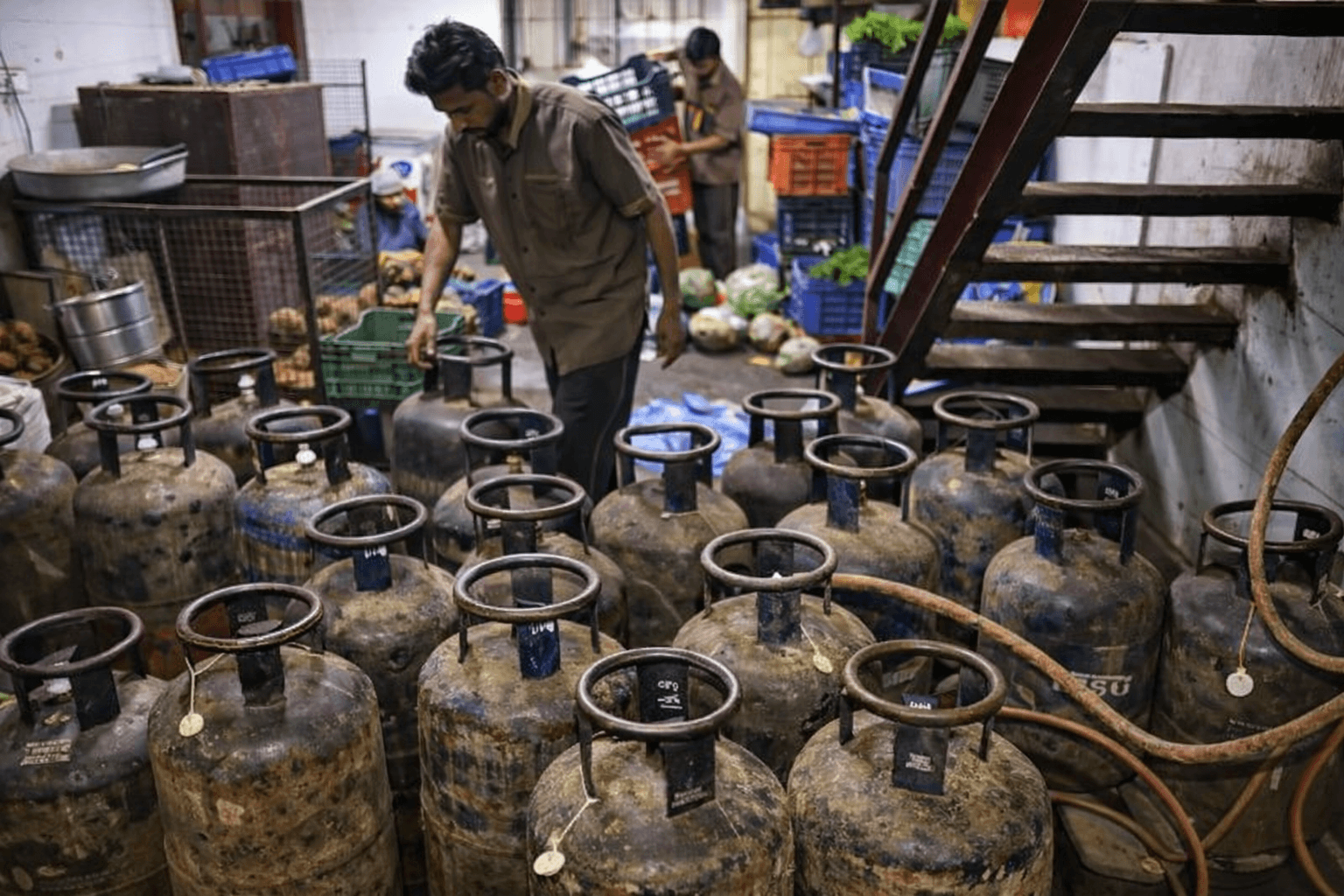
India is closely monitoring its fuel supply situation as tensions in West Asia disrupt shipping through the Strait of Hormuz. The crisis has raised concerns about LPG availability and potential impacts on petrol and diesel supply.
The India LPG crisis Strait of Hormuz situation reflects how global geopolitical tensions can directly affect domestic energy security.
Why the Strait of Hormuz Matters for India
The Strait of Hormuz is one of the world’s most critical energy routes. Around 20% of global oil trade passes through it, making it a key chokepoint for fuel transportation.
For India, the dependence is even more significant. Nearly 60% of its LPG demand is met through imports, and about 90% of those imports pass through this route.
This heavy reliance makes India particularly vulnerable to disruptions in the region.
Shipping Disruptions Trigger Supply Concerns
The ongoing conflict has slowed maritime traffic sharply, with tanker movement dropping significantly due to security risks.
Reports indicate that several LPG carriers and fuel tankers have been delayed or stranded near the Strait. At least five India-linked LPG tankers carrying around 2.3 lakh tonnes of gas are currently navigating the region.
In response, India has taken steps to redirect shipments and prioritize essential supply.
Government Reassurance: No Immediate Shortage
Despite rising concerns, Indian oil companies and government officials have stated that there is no immediate shortage of petrol, diesel, or LPG.
Authorities have emphasized that:
- Supply chains remain functional
- Stocks are sufficient in the short term
- Panic buying should be avoided
The government has also warned against hoarding and is closely monitoring distribution.
Signs of Stress in the Supply Chain
While supplies remain stable for now, underlying stress is visible.
India has:
- Reduced LPG supply to industrial users
- Prioritized domestic consumption
- Explored alternative import sources, including the United States
In some regions, reports suggest delays and longer waiting times for LPG cylinders, highlighting localized pressure on supply chains.
This indicates that the situation could become more challenging if disruptions continue.
Impact on Petrol, Diesel, and Prices
Unlike LPG, petrol and diesel are less directly affected due to India’s diversified crude oil imports and strong refining capacity.
However, rising global oil prices remain a concern. Crude prices have crossed $100 per barrel, increasing the risk of higher fuel costs domestically.
If the crisis persists, it could lead to:
- Higher fuel prices
- Increased inflation
- Pressure on household budgets
Strategic Measures and Long-Term Response
The government is taking steps to reduce long-term vulnerability.
These include:
- Expanding piped natural gas (PNG) networks
- Strengthening domestic infrastructure
- Diversifying import sources
There is also a push to reduce dependence on LPG by encouraging alternative energy solutions such as electric cooking and biofuels.
These measures aim to build resilience against future geopolitical disruptions.
Topics
Covering startup news, AI, technology, and business at ThePrimely. Delivering accurate, in-depth reporting on the stories that shape the future.