
How Did Skyroot Become India’s First Space Unicorn Before Vikram 1 Launch?
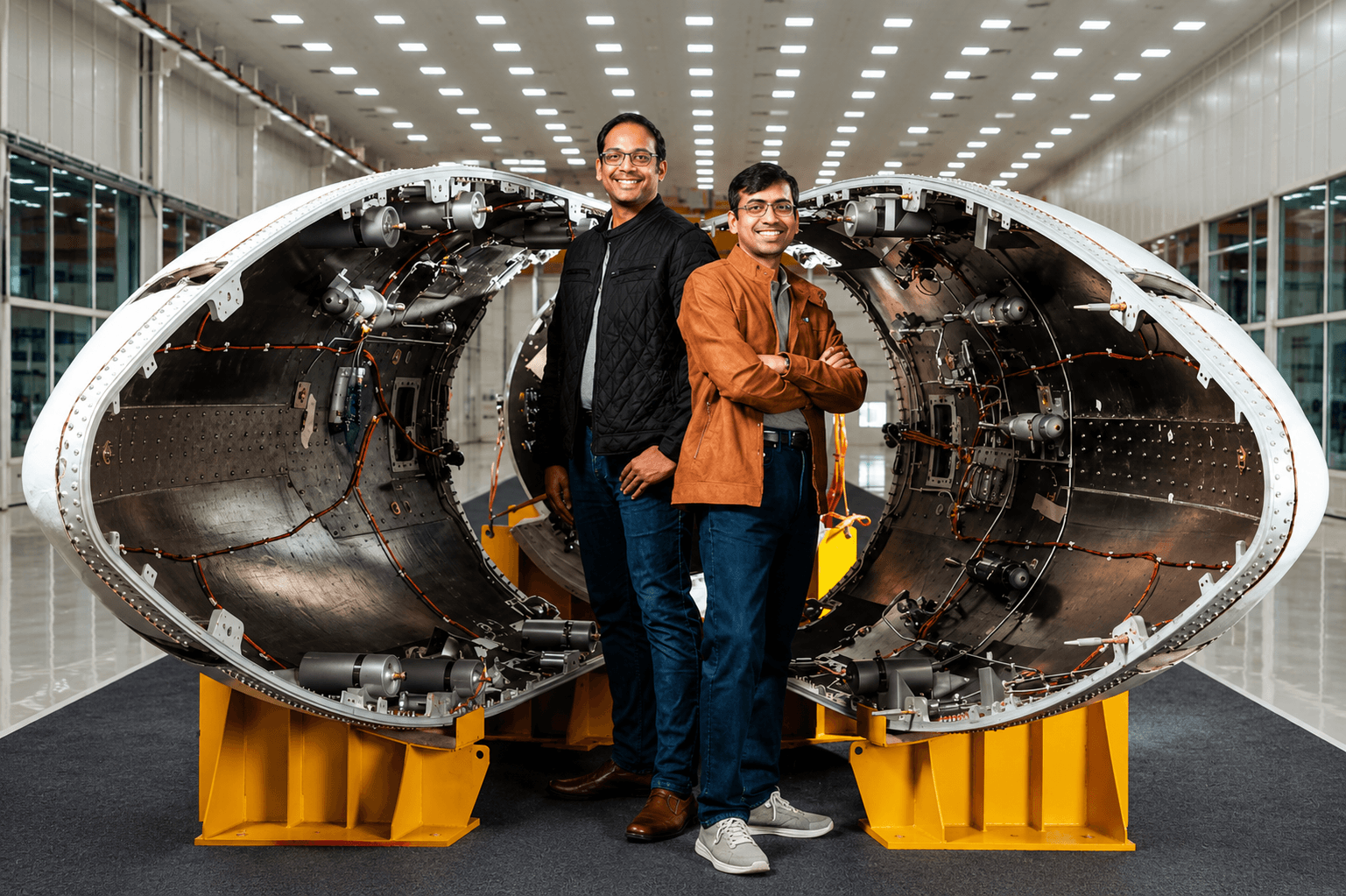
India’s private space industry has entered a defining phase. Skyroot Aerospace has officially become India’s first space unicorn after securing 60 million dollars in fresh funding ahead of its highly anticipated Vikram 1 launch. The milestone carries significance far beyond startup valuation. It reflects growing investor confidence in India’s commercial space ecosystem and signals the rapid rise of privately built launch capabilities.
More importantly, the development places India in a stronger position within the global space economy, where private companies increasingly drive innovation, launch services, and satellite deployment.
Why Skyroot’s Unicorn Status Matters for India’s Space Economy
Skyroot achieved a valuation of 1.1 billion dollars after its latest funding round. The company now joins the global unicorn club at a critical moment for India’s expanding spacetech sector. The funding round reportedly included participation from existing investors as well as strategic institutional backers. The capital will support rocket development, infrastructure expansion, and commercial launch readiness.
This achievement marks a turning point for India’s startup ecosystem because deep technology ventures traditionally faced longer funding cycles and higher operational risks.
However, investor sentiment has changed significantly in recent years. Global demand for satellite launches continues to rise, while governments increasingly encourage private sector participation in space programs. As a result, Indian spacetech startups now attract stronger international attention.
How Vikram 1 Became Central to Skyroot’s Growth Strategy
The upcoming Vikram 1 mission remains the company’s most important near term milestone. Skyroot designed the rocket to deliver small satellites into orbit with faster turnaround times and lower launch costs. The launch vehicle also represents India’s broader ambition to strengthen private launch capabilities beyond government operated missions.
Skyroot previously demonstrated technical credibility through the successful Vikram S mission, which became India’s first privately developed rocket launch. That achievement established the company as a serious player within the commercial launch market.
Now, Vikram 1 will determine whether Skyroot can transition from experimental success into scalable commercial operations. Industry observers view this phase as critical because consistent launch execution defines long term competitiveness in the global launch industry.
How India’s Space Policy Opened the Door for Private Players
Skyroot’s rise did not happen in isolation. India’s regulatory reforms created the foundation for private space companies to expand aggressively.
The Indian government gradually opened the space sector to startups, private investors, and commercial partnerships. Agencies such as IN SPACe and ISRO started enabling infrastructure access, launch collaboration, and policy support for emerging firms.
That policy shift transformed India’s spacetech landscape within a short period. Previously, most space activity remained concentrated within government institutions. Today, startups develop rockets, satellite systems, propulsion technologies, and earth observation platforms across multiple commercial segments.
Therefore, Skyroot’s unicorn milestone also reflects the success of India’s broader policy transition.
Why Global Investors Are Backing Space Startups Again
The commercial space market has regained momentum after a difficult investment cycle in global technology markets. Investors now focus more carefully on companies with operational capability, clear revenue pathways, and scalable infrastructure models. Skyroot appears to fit that profile because launch services remain one of the fastest growing segments in the space economy.
Satellite deployment demand continues to increase across telecommunications, defense, climate monitoring, navigation, and artificial intelligence driven analytics. Consequently, launch providers capable of reducing costs and improving mission flexibility attract significant investor interest.
India also offers an additional advantage. Lower engineering and operational costs allow Indian firms to compete aggressively against global launch providers. That economic efficiency strengthens Skyroot’s international positioning.
What Challenges Skyroot Still Needs to Overcome
Despite the valuation milestone, the company still faces substantial execution pressure. Rocket development remains capital intensive and technically demanding. Delays, testing failures, or launch disruptions can quickly affect investor confidence and commercial credibility.
In addition, global competition continues to intensify. Companies across the United States, Europe, and China are expanding small satellite launch services rapidly.
Therefore, Skyroot must prove consistent launch reliability, operational scalability, and customer acquisition strength over the next few years. The Vikram 1 mission will likely become the market’s first major test of that capability.
How Skyroot Could Reshape India’s Position in the Global Space Market
India’s space economy is projected to expand significantly over the next decade. Private companies will likely drive a large portion of that growth. Skyroot’s emergence as a unicorn may accelerate funding activity across the sector. More startups could now attract institutional investment in propulsion systems, satellite manufacturing, launch infrastructure, and orbital services.
At the same time, the success of private launch providers could reduce India’s dependence on foreign launch ecosystems for commercial satellite deployment. That strategic advantage matters not only economically but also geopolitically. If companies like Skyroot scale successfully, India could strengthen its position as a globally competitive low cost launch destination.
Skyroot’s transformation into India’s first spacetech unicorn represents more than a startup funding headline. It signals the arrival of a more ambitious private space economy backed by policy reform, investor confidence, and growing commercial demand. The company now stands at a decisive stage. Its valuation reflects expectations, but long term influence will depend on execution.
The Vikram 1 launch therefore carries symbolic and commercial importance simultaneously. Success could establish Skyroot as a major global launch player and accelerate India’s rise within the international space industry. The broader message is already clear. India’s private space race has moved from experimentation into serious commercial competition.
FAQ's
What is Skyroot Aerospace?
Skyroot Aerospace is an Indian private spacetech company focused on developing commercial satellite launch vehicles.
Why is Skyroot called a unicorn?
The company achieved a valuation above 1 billion dollars after raising 60 million dollars in fresh funding.
What is Vikram 1?
Vikram 1 is Skyroot’s orbital launch vehicle designed for small satellite deployment missions.
Why is Skyroot important for India’s space industry?
Skyroot represents India’s growing private space ecosystem and demonstrates increasing global investor confidence in Indian spacetech.
Did Skyroot launch a rocket before Vikram 1?
Yes. The company previously launched Vikram S, India’s first privately developed rocket mission.
How does India benefit from private space companies?
Private companies increase innovation, attract investment, reduce launch costs, and strengthen India’s global commercial space competitiveness.
Topics
Covering startup news, AI, technology, and business at ThePrimely. Delivering accurate, in-depth reporting on the stories that shape the future.