
Pixxel, Sarvam partner to build India’s First Orbital Data Centre Satellite, Why Does It Matter Now?
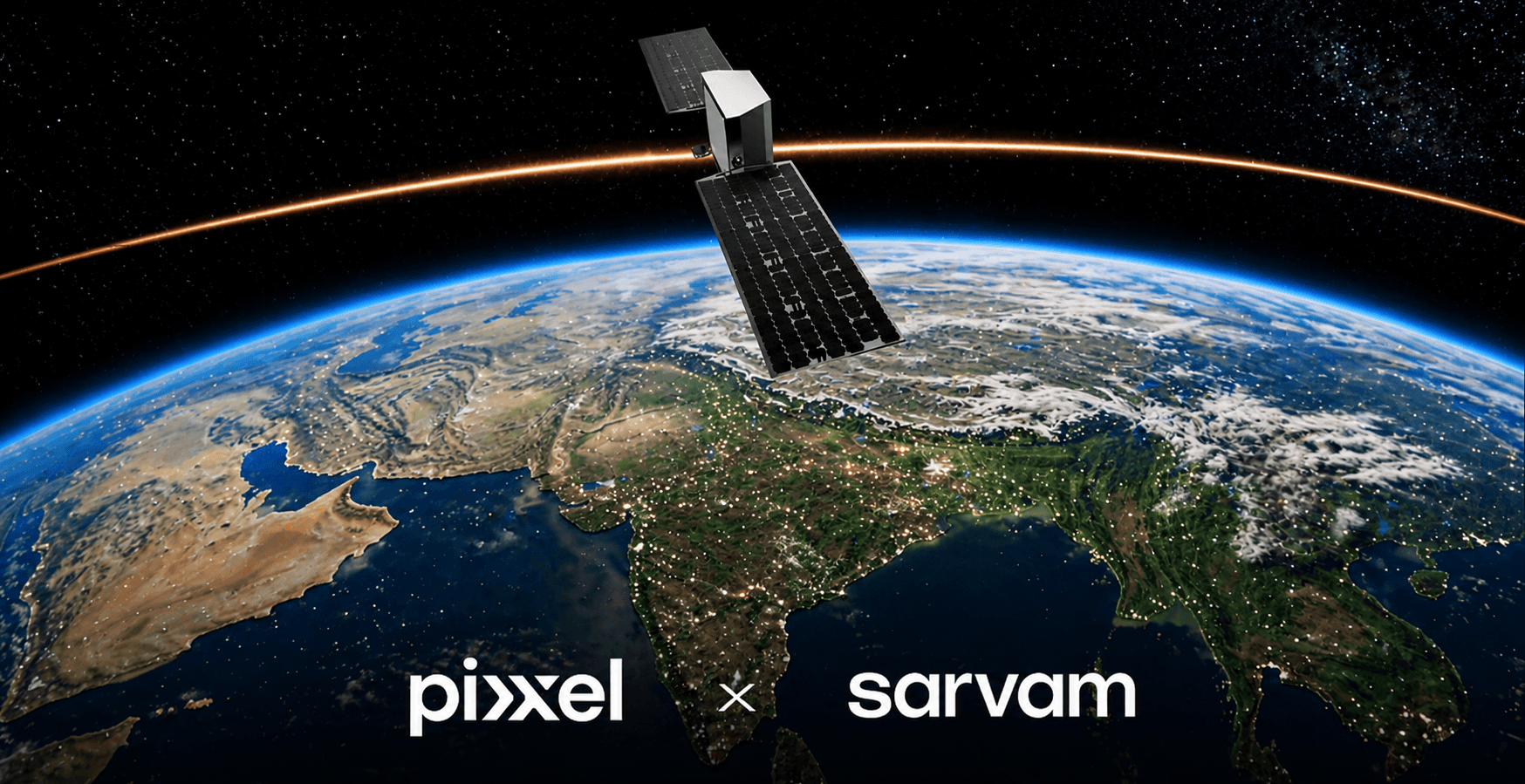
India is stepping into a new frontier where space meets artificial intelligence. Pixxel and Sarvam have announced a partnership to build the country’s first orbital data centre satellite. The launch is targeted for the fourth quarter of 2026.
This initiative signals a shift in how data is processed and stored. Instead of relying only on Earth-based infrastructure, companies are now exploring space as a computing layer. The move reflects growing demand for faster, scalable AI training systems.
Understanding the Orbital Data Centre Concept
An orbital data centre satellite is not just another spacecraft. It functions as a computing hub in space. It processes data directly in orbit rather than transmitting everything back to Earth.
This approach reduces latency and bandwidth pressure. It also enables real-time analytics for Earth observation and AI applications. Pixxel’s expertise in hyperspectral imaging complements Sarvam’s AI capabilities. Together, they aim to create a system that trains AI models closer to the data source.
The satellite will support advanced AI workloads. These include climate monitoring, agriculture insights, and disaster response. Processing data in orbit allows faster decision-making.
Why India Is Moving Toward Space-Based Computing
India’s space ecosystem has evolved rapidly in recent years. Private players like Pixxel are driving innovation alongside traditional agencies. At the same time, AI adoption is accelerating. Training large AI models requires massive computing power. Ground-based data centres face limits in energy, cost, and scalability.
Orbital computing offers a solution. It uses solar energy in space and reduces dependence on terrestrial infrastructure. This aligns with global trends where companies are exploring space-based data processing.
Key Developments in the Pixxel–Sarvam Partnership
The collaboration combines two distinct strengths. Pixxel brings satellite technology and Earth observation expertise. Sarvam contributes AI infrastructure and model development. The companies plan to deploy an AI-powered satellite capable of handling complex data workloads. The launch is expected by late 2026.
The system will process data collected by satellites directly in orbit. This reduces the need to send raw data to Earth. It improves efficiency and speeds up analysis. Importantly, this will be India’s first attempt at building a dedicated orbital data centre. That sets a precedent for future space-based infrastructure.
A New Layer of Digital Infrastructure
The Orbital Data Centre Satellite could reshape multiple industries. Earth observation will become faster and more precise. AI models will train on real-time data streams. Sectors like agriculture and climate science will benefit. Faster insights can improve crop planning and disaster response. Governments and enterprises can act on near real-time intelligence.
Moreover, this reduces reliance on traditional data centres. Energy consumption and cooling challenges on Earth can be partially offset by space-based systems. India could also strengthen its position in the global space economy. The country is already gaining traction in satellite launches and services. This move adds a new dimension to its capabilities.
Strategic Implications for India’s Tech Ecosystem
This project reflects a broader strategy. India is not just building satellites. It is building integrated space and AI infrastructure. The collaboration also highlights the role of startups. Private companies are leading high-impact innovations. This shifts the narrative from government-led space missions to ecosystem-driven growth.
There is also a geopolitical angle. Countries investing in space-based computing gain strategic advantages. Control over data processing layers becomes critical in the AI era. India’s move signals intent. It aims to compete in next-generation computing infrastructure.
What Comes Next for Orbital Computing in India
The success of this mission could trigger further investments. More companies may explore space-based data solutions. Partnerships between AI firms and space startups could increase.
However, challenges remain. Building reliable computing systems in space is complex. Costs, scalability, and regulatory frameworks will play key roles. Yet the direction is clear. Space is becoming an extension of the digital economy.
A Defining Step Toward Space-Based AI
The Orbital Data Centre Satellite marks a turning point. It connects space technology with AI infrastructure in a meaningful way. Pixxel and Sarvam are not just launching a satellite. They are testing a new model of computing. If successful, it could redefine how data is processed globally.
For India, this is more than a technological milestone. It is a strategic move toward future-ready infrastructure.
FAQ's
What is an orbital data centre satellite?
It is a satellite that processes and stores data in space instead of sending all data back to Earth.
Who is building India’s first orbital data centre?
Pixxel and Sarvam are collaborating on this project.
When will the satellite launch?
The launch is targeted for the fourth quarter of 2026.
Why is orbital computing important?
It reduces latency, saves bandwidth, and enables faster AI data processing.
How will this impact industries?
It will improve real-time analytics in sectors like agriculture, climate monitoring, and disaster management.
Topics
Covering startup news, AI, technology, and business at ThePrimely. Delivering accurate, in-depth reporting on the stories that shape the future.