
OpenAI to Make London Its Largest Research Hub Outside the U.S.
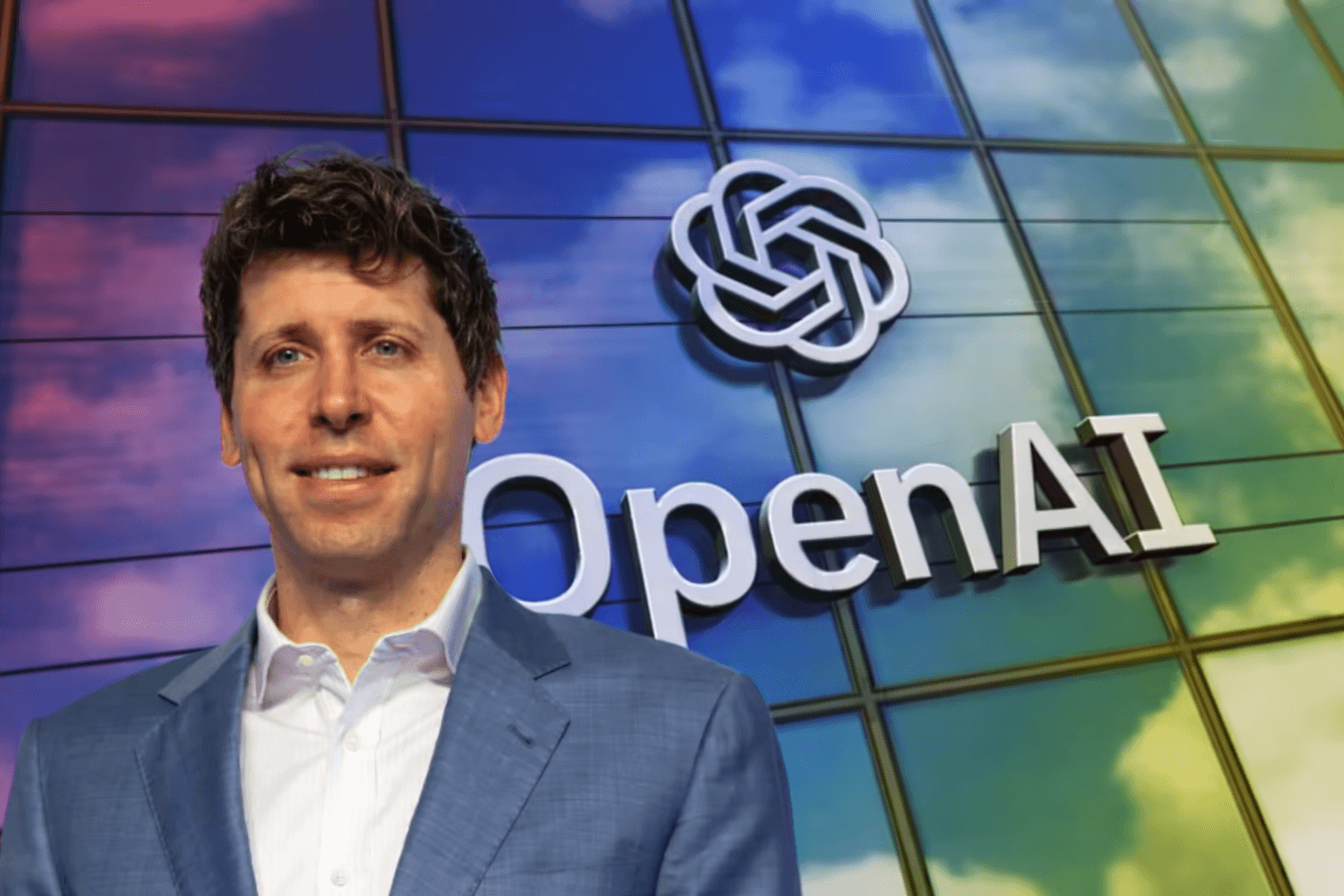
OpenAI said on February 26, 2026 that it will make London its biggest research hub outside the United States, as the AI developer expands internationally and taps into global talent and technology networks.
The new hub will bring together researchers, engineers and partnerships with local universities. OpenAI said the London center will be a focal point for fundamental AI research, safety work and collaboration with industry partners.
Why London is strategic for OpenAI
London is home to a large pool of AI and machine-learning expertise. Universities such as University College London and Imperial College London produce top AI talent annually, while local startups and research labs contribute to a vibrant ecosystem.
Moreover, the UK government has been pushing policies to make Britain a global AI hub, including research funding and regulatory sandboxes to accelerate safe and ethical AI deployment.
OpenAI’s choice of London reflects these strengths. Additionally, the city’s time zone facilitates collaboration across Europe, North America and Asia a practical advantage for global teams.
What the hub will focus on
OpenAI said the London hub will concentrate on both core research and applied AI topics, including natural language processing, safety frameworks, and multi-modal systems that combine text, images and audio.
The center will also support cross-disciplinary collaborations with British industry partners in healthcare, finance and climate technology. These partnerships aim to accelerate real-world AI applications.
OpenAI’s global expansion context
OpenAI’s decision follows broader industry trends. Major AI labs are establishing research hubs outside their home countries to diversify talent pipelines and mitigate geopolitical risks. For example, other tech firms have opened AI offices in Europe, Canada and Asia.
Sam Altman, OpenAI’s chief executive, has emphasized the importance of international cooperation in AI safety and governance. He said that having teams embedded in different regulatory environments enriches perspective and helps build safer models.
Economic and research impact
Observers say the London hub could bolster the UK’s position as an artificial intelligence powerhouse. The centre is expected to create hundreds of high-skilled jobs and deepen ties between academia, government and industry.
The project may also attract other global firms to expand UK research footprints, reinforcing a virtuous cycle of investment. This could benefit sectors beyond technology, including education, healthcare and finance.
What to watch next
Analysts will monitor:
- How quickly OpenAI recruits local talent
- The hub’s output in research publications and partnerships
- Regulatory developments in AI safety and cross-border data flows
- Funding commitments from public and private sectors in the UK
Topics
Covering startup news, AI, technology, and business at ThePrimely. Delivering accurate, in-depth reporting on the stories that shape the future.