
Why Is SEBI Warning About AI Cyber Risk Now and What Does It Mean for India’s Financial Markets Stability?
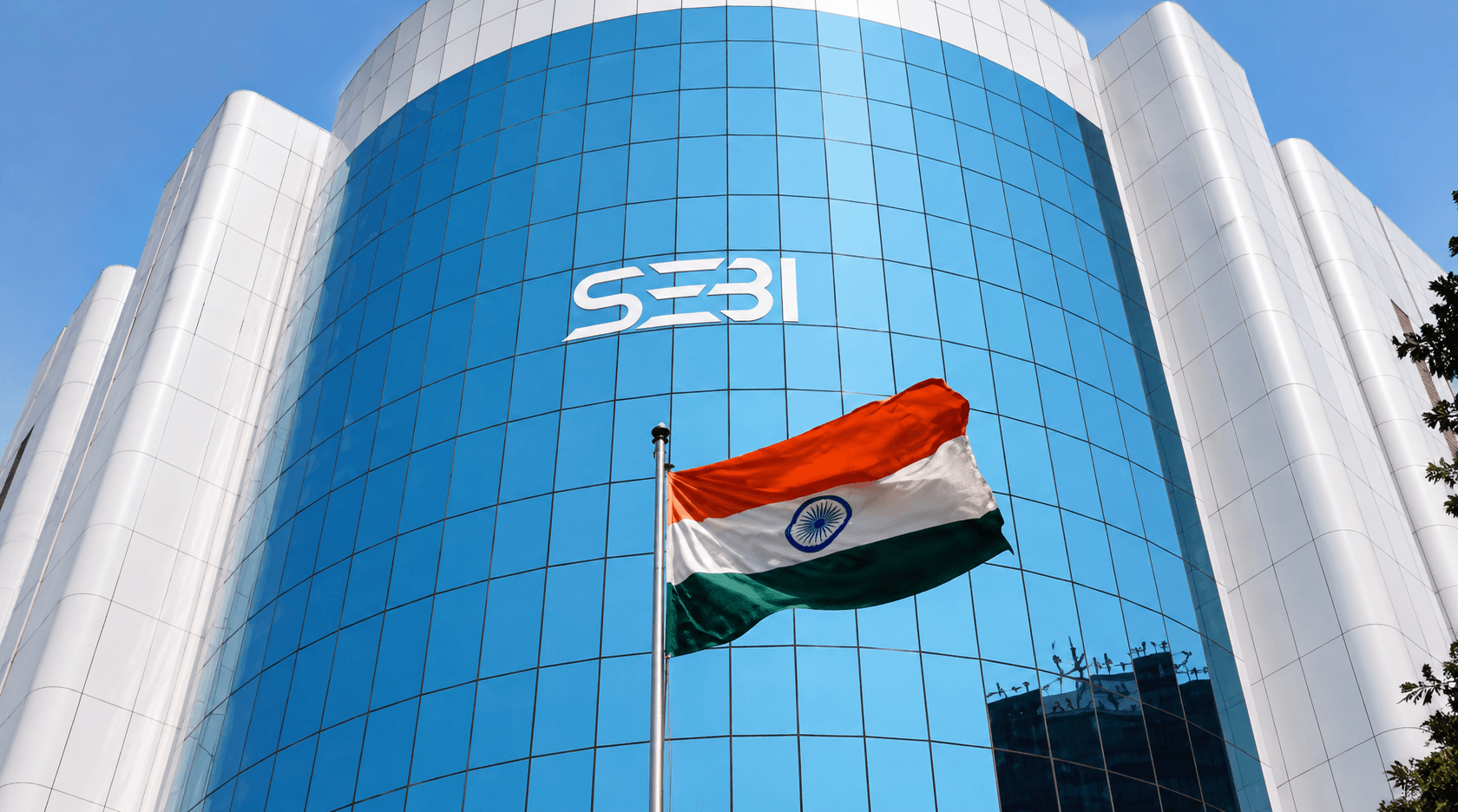
A Timely Warning in a Rapidly Evolving Digital Market
India’s market regulator has raised a serious concern. The focus is clear. The rise of AI tools is creating new cyber risks. These risks are no longer theoretical. They are immediate and evolving.
The SEBI AI cyber risk warning signals a shift in regulatory thinking. It reflects growing awareness that technology can disrupt markets as much as it can strengthen them.
Understanding the Context Behind SEBI’s Concern
Financial markets are becoming more digital each year. Trading systems, advisory platforms, and investor tools now rely heavily on automation. At the same time, AI tools are becoming more accessible.
However, this rapid adoption comes with hidden vulnerabilities. Malicious actors can use AI to manipulate data, automate attacks, and exploit system gaps faster than before. Therefore, SEBI has stepped in early. It aims to prevent systemic risks before they escalate.
Formation of a Dedicated Task Force
SEBI has taken a structured approach. It has formed a task force to study and counter AI driven cyber threats. This group includes technology experts, market participants, and cybersecurity specialists. The objective is precise. Identify emerging risks. Recommend safeguards. Strengthen market resilience.
Importantly, the task force will also examine tools like advanced AI systems that can automate trading or generate market insights. These tools, while useful, can also be misused.
Why AI Tools Like Mythos Raise Red Flags
One major concern is the misuse of AI platforms. Tools similar to advanced generative AI systems can process large volumes of financial data. They can simulate strategies and even influence decision making.
While this improves efficiency, it also opens the door to manipulation. For example, AI can generate misleading signals or amplify false information. As a result, market integrity could be at risk if such tools operate without oversight.
Impact on Market Participants and Institutions
SEBI’s warning is not just advisory. It carries operational implications. Brokers, exchanges, and financial institutions must now reassess their systems.
They need stronger cybersecurity frameworks. They must monitor AI usage within their operations. In addition, they should ensure data protection and system integrity. This shift will likely increase compliance costs. However, it will also enhance long term stability.
Strategic Implications for India’s Financial Ecosystem
The move reflects a broader strategy. India aims to balance innovation with regulation. AI adoption will continue. However, unchecked growth is not acceptable in sensitive sectors like finance. SEBI’s action sets a precedent. It signals that regulators will act proactively rather than reactively.
Moreover, this approach can strengthen investor confidence. Markets that are secure tend to attract more capital.
What Lies Ahead for AI and Market Regulation
The formation of the task force is only the beginning. Its recommendations will shape future policies. These may include stricter compliance norms, AI usage guidelines, and enhanced monitoring systems.
At the same time, collaboration between regulators and industry will become essential. Technology evolves quickly. Therefore, regulatory frameworks must remain flexible.
A Strategic Step Toward Safer Markets
The SEBI AI cyber risk warning highlights a critical transition. Financial markets are entering a new phase where technology risks must be managed actively.
SEBI’s response is measured and forward looking. It does not restrict innovation. Instead, it ensures that innovation operates within a secure framework. This balance will define the future of India’s financial markets.
FAQ's
Q1: Why did SEBI issue a warning on AI cyber risks?
SEBI identified rising threats from AI tools that can manipulate data and exploit market systems.
Q2: What is the purpose of the SEBI task force?
The task force will study AI driven risks and recommend safeguards for financial markets.
Q3: How can AI impact stock markets negatively?
AI can automate cyber attacks, spread misinformation, and manipulate trading signals.
Q4: Who will be affected by SEBI’s warning?
Brokers, exchanges, financial institutions, and market participants will need stronger cybersecurity measures.
Q5: Will SEBI regulate AI tools in the future?
Future regulations are likely, based on the task force’s recommendations and evolving risks.
Topics
Covering startup news, AI, technology, and business at ThePrimely. Delivering accurate, in-depth reporting on the stories that shape the future.