
Russia-Ukraine War Impact: Energy, Food and Refugee Risks Rise
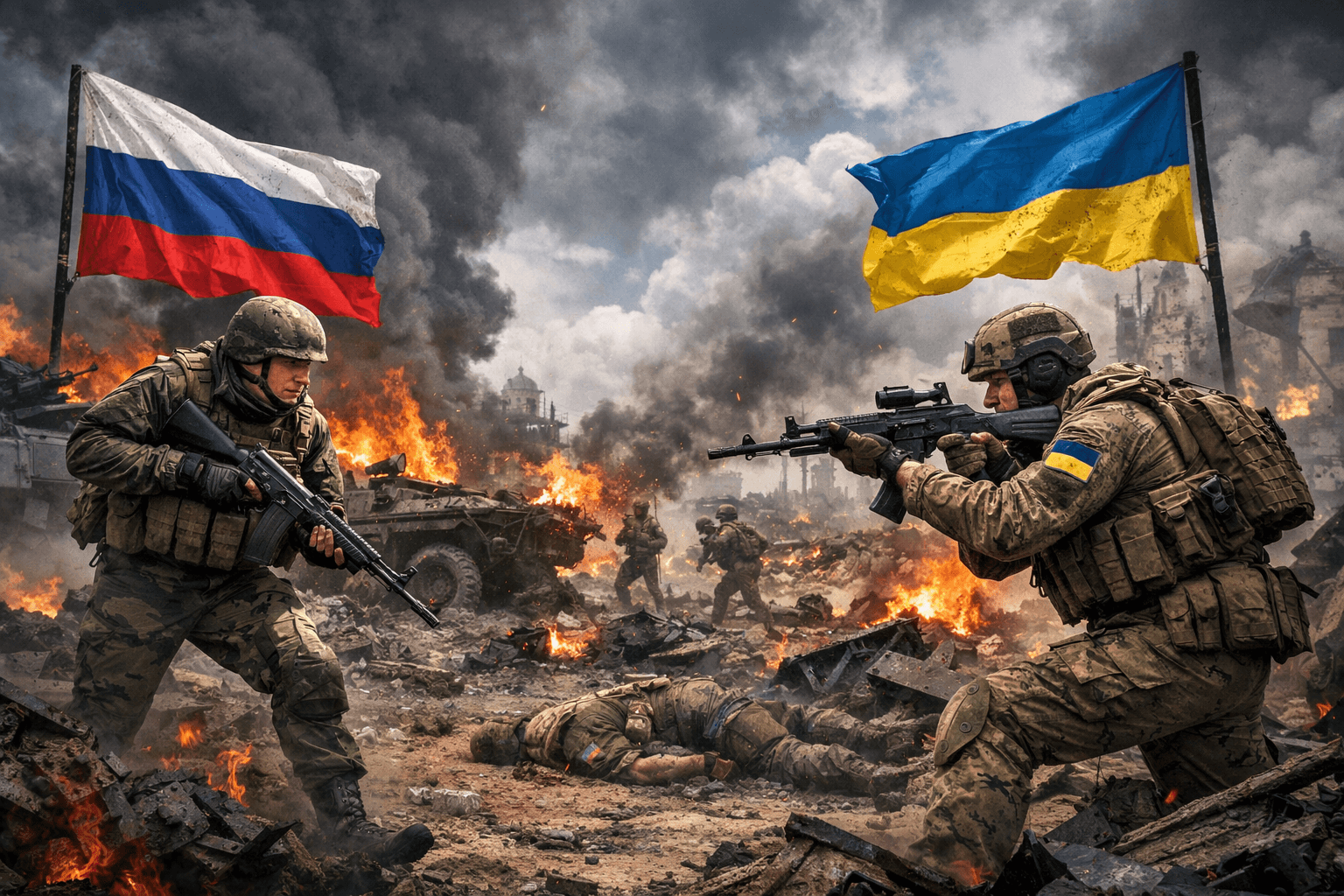
Russia-Ukraine War Impact Grows as Energy, Food and Refugee Risks Mount
The Russia-Ukraine war impact widened on Day 1459 as renewed attacks damaged infrastructure, disrupted supply routes and forced fresh civilian evacuations. Meanwhile, analysts warned that prolonged fighting could amplify risks to energy markets, global food supplies and refugee flows.
Energy infrastructure remains under pressure
Energy facilities continue to face risks as missile and drone strikes hit power grids, fuel depots and industrial sites. As a result, Ukraine’s ability to stabilise electricity supply remains fragile.
Meanwhile, European gas markets remain sensitive to escalation risks. Even without direct supply cuts, uncertainty has kept price volatility elevated. Therefore, any further damage to transit routes or storage facilities could quickly move markets.
Analysts say Europe is better prepared than in 2022. However, the margin for error remains thin during peak demand periods.
Food supplies and Black Sea exports at risk
The Russia-Ukraine war impact is also visible in global food markets. Ukraine remains a key exporter of wheat, corn and sunflower oil.
Although exports continue through alternative routes, disruptions near ports and rail hubs have raised concerns. Consequently, insurers and shipping firms remain cautious about Black Sea movements.
Food agencies warn that prolonged instability could tighten supplies for import-dependent regions in Africa and the Middle East. As a result, price pressures could resurface after months of relative stability.
Refugee flows rise again near front lines
Fresh shelling in eastern and southern regions has forced thousands of civilians to leave frontline areas. Local authorities reported new evacuations as fighting intensified near residential zones.
Meanwhile, humanitarian groups say displacement patterns are shifting. Instead of mass cross-border movements, many civilians now relocate internally or move short distances across borders.
However, host countries remain on alert. Any major escalation could trigger renewed refugee inflows into neighbouring European states.
Broader economic consequences emerge
The prolonged conflict continues to drain public finances in Ukraine while raising reconstruction costs. At the same time, Russia faces sustained sanctions pressure and rising military spending.
For global markets, the Russia-Ukraine war impact extends beyond commodities. Investors remain cautious, especially in emerging markets sensitive to energy and food price swings.
Therefore, central banks continue to monitor geopolitical risks alongside inflation and growth trends.
Diplomatic outlook remains uncertain
Despite international mediation efforts, prospects for a near-term ceasefire remain limited. Both sides maintain hardened positions, while military activity shows no sign of slowing.
As a result, policymakers and businesses are preparing for a longer period of disruption. Energy diversification, food supply resilience and humanitarian planning have become long-term priorities.
What to watch next
- Damage to energy grids and fuel logistics
- Black Sea shipping activity and insurance costs
- Refugee movement trends ahead of seasonal changes
- Global food price indices and aid requirements
The Russia-Ukraine war impact is no longer confined to the battlefield. Instead, it continues to shape global economic stability, humanitarian needs and geopolitical calculations.
Topics
Covering startup news, AI, technology, and business at ThePrimely. Delivering accurate, in-depth reporting on the stories that shape the future.