
Global Central Banks Rally Behind Fed Chair Powell
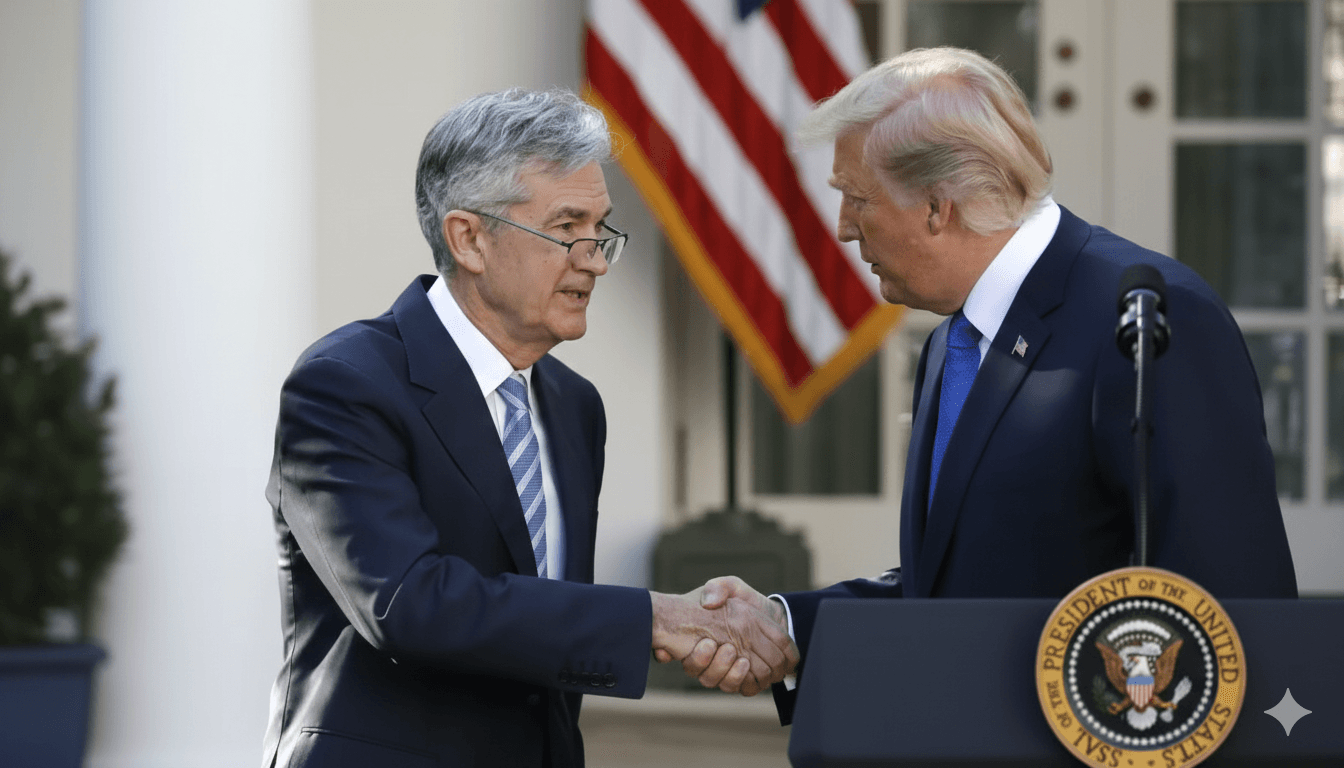
Global central banks are preparing a rare, coordinated show of support for U.S. Federal Reserve Chair Jerome Powell. The move highlights rising concern about political pressure on monetary policy and the risks this could pose to global financial stability.
Senior central bank officials from major economies are reportedly working on a joint statement. The message is simple: they support Powell’s leadership and strongly defend central bank independence. Such public backing of another country’s central bank chief is highly unusual. It shows how seriously policymakers view recent tensions around the U.S. Federal Reserve.
Why Central Bank Independence Is Critical
Central bank independence sits at the heart of modern economic policy. When governments shield monetary authorities from short-term political influence, central banks can focus on long-term goals like price stability and sustainable growth.
Independent central banks help anchor inflation expectations. They also build trust in financial systems. If investors believe politics drives rate decisions, confidence can fall quickly.
In the United States, the Federal Reserve’s independence has shaped its credibility for decades. Any sign of political interference could unsettle markets, weaken investor trust, and push borrowing costs higher. Because U.S. monetary policy influences the entire world, these risks do not stop at America’s borders.
The planned statement aims to send a clear signal: protecting central bank autonomy is a global priority, not just a domestic issue.
What Triggered the Concern
Political scrutiny of Powell and the Federal Reserve has intensified in recent months. Central banks often face criticism, but officials now worry about the tone and scale of the pressure.
For many global policymakers, the issue goes beyond one person. They want to defend the institutional framework that allows central banks to act in the long-term interest of economic stability. If political actors appear to intimidate or constrain central bankers, monetary policy could become less effective.
That risk comes at a sensitive time. Many economies already face slower growth, sticky inflation, and fragile market sentiment.
A Rare Display of Global Unity
Central banks often cooperate during financial crises. They share information, coordinate liquidity measures, and align policy signals when needed. However, they rarely issue public statements supporting the head of another country’s central bank.
This coordinated step shows shared concern. Officials fear that political challenges to one major central bank could spill over into others. If one institution loses credibility, markets may question others as well.
Those involved stress that the statement will focus on principles, not domestic politics. They plan to emphasize institutional independence, professional decision-making, and respect for established governance norms.
What This Means for Markets
Markets closely track relations between governments and central banks, especially in the United States. Even the perception of reduced Fed independence can trigger volatility in bonds, currencies, and equities.
A joint show of support aims to calm those fears. Global policymakers want investors to see continuity, not disruption. They want markets to believe that economic data, not politics, will guide interest rate decisions.
That reassurance matters now. Many countries still deal with the aftereffects of aggressive rate hikes, uneven growth, and ongoing geopolitical risks.
The Fed’s Unique Global Role
The Federal Reserve holds a special place in the global financial system. Its decisions influence capital flows, exchange rates, and funding costs worldwide. When the Fed tightens or eases policy, the effects ripple through emerging and advanced economies alike.
Because of this role, the Fed’s credibility carries global weight. Support for Powell from foreign central banks reflects that reality. It also shows how closely monetary authorities watch developments beyond their own borders.
What Could Happen Next
Officials have not confirmed the final wording or timing of the statement. Still, the effort itself sends a strong message. Central bankers want to draw a line in defense of institutional norms.
The statement may not end political pressure, but it strengthens Powell’s international standing. It also reinforces the idea that central bank independence underpins financial stability.
This episode could spark wider debate about the balance between democratic oversight and institutional autonomy. For central bankers, however, the priority remains clear. They want the freedom to make difficult decisions based on economic evidence, even when those decisions prove unpopular.
A Key Moment for Global Monetary Policy
This show of solidarity marks an important moment for global monetary governance. At a time of economic uncertainty and political tension, central banks are defending the rules that guide modern policymaking.
For Powell, the backing of his international peers serves as a powerful endorsement. For markets, it offers reassurance that the foundations of the monetary system remain intact. Strong institutions, not short-term politics, still shape the path of global monetary policy.
Topics
Covering startup news, AI, technology, and business at ThePrimely. Delivering accurate, in-depth reporting on the stories that shape the future.