
Why Did Sam Altman Invite Elon Musk to GPT-5.5 Party Amid a $134 Billion Legal Battle?
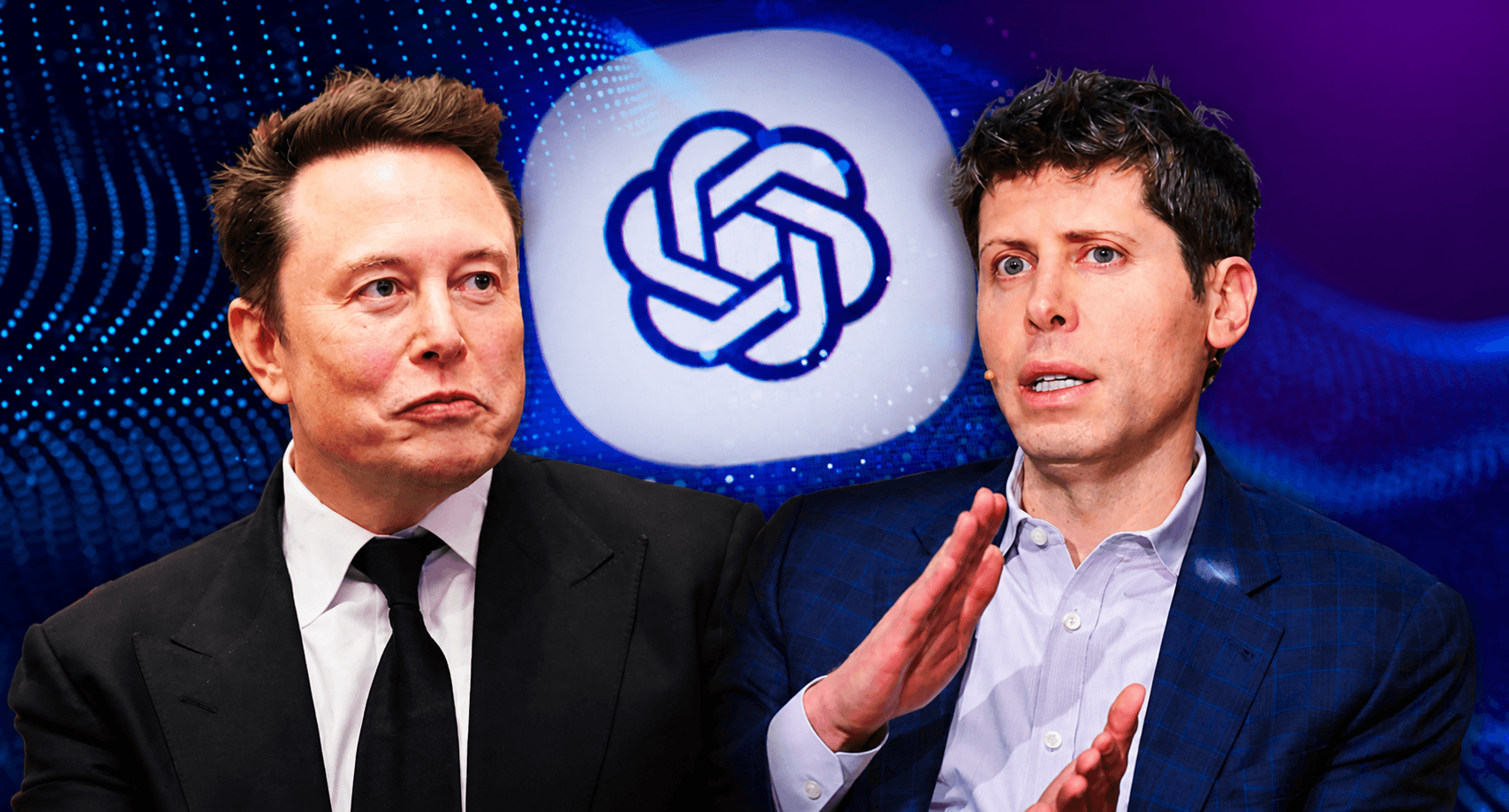
The AI industry rarely produces moments that blend conflict with symbolism. Yet, Sam Altman has done exactly that.
Amid a reported $134 billion legal dispute, Altman publicly invited Elon Musk to a private GPT-5.5 event. The move surprised the industry. It also raised critical questions about intent, strategy, and power dynamics. This was not just an invitation. It was a signal.
What Exactly Happened at the GPT-5.5 Invitation Moment?
Altman extended the invitation during discussions around OpenAI’s upcoming model, widely referred to as GPT-5.5. He framed the gesture in simple terms. The world, he said, needs “more love.”
However, the context matters more than the wording. The invitation comes during an ongoing legal conflict between Musk and OpenAI. The dispute reportedly involves billions in valuation and governance disagreements.
At the same time, Musk has been building a competing AI ecosystem through xAI. This puts both leaders in direct strategic opposition.
How Did the Conflict Between Altman and Musk Begin?
The relationship between Altman and Musk has shifted dramatically over time. Musk co-founded OpenAI in 2015. The goal was to build safe and open artificial intelligence.
However, he later exited the organization. Since then, he has criticized OpenAI’s transition toward a more commercial model. The disagreement has intensified in recent years.
Musk has raised concerns about transparency and alignment. Meanwhile, OpenAI has continued to scale aggressively, backed by major investments and enterprise adoption. This tension has now escalated into legal action, with reported figures reaching $134 billion in dispute value.
Key Developments Around the GPT-5.5 Event
The GPT-5.5 event itself is positioned as a private gathering. It is expected to showcase advancements beyond current generative AI capabilities.
However, the invitation has overshadowed the technology. Altman’s statement suggested openness. At one point, he even implied Musk could “show up uninvited” and still be welcome. This phrasing carries strategic undertones.
On one hand, it projects confidence. On the other, it reframes the rivalry in a less confrontational light. Importantly, there is no confirmation that Musk will attend. Given the legal backdrop, participation remains unlikely.
What Does This Mean for AI Competition?
The AI industry is entering a phase of consolidation and rivalry. OpenAI leads in large language models. Meanwhile, Musk is building alternatives that challenge both technology and philosophy. This invitation does three important things.
First, it positions OpenAI as a mature leader willing to engage critics. Second, it places public pressure on Musk. Accepting the invitation would signal openness. Declining it reinforces division.
Third, it shifts the narrative. Instead of focusing purely on legal conflict, the conversation now includes collaboration and public perception. In a market driven by trust, this matters.
Is This Diplomacy or Power Signaling?
Altman’s move can be interpreted in multiple ways. From a diplomatic lens, it appears as an attempt to reduce tension. It suggests that dialogue remains possible even during conflict.
However, from a strategic standpoint, the message is sharper. Inviting a rival during a high-stakes dispute signals confidence. It implies that OpenAI does not feel threatened.
It also reframes the power balance. The invitation puts Musk in a reactive position. In executive strategy, such moves are rarely accidental.
What Could Happen Next in This AI Rivalry?
The next phase depends on both leaders. If Musk responds, even indirectly, the narrative could shift toward engagement. If silence continues, the divide will deepen. Meanwhile, GPT-5.5 will likely play a central role. Its capabilities could redefine benchmarks in generative AI.
That, ultimately, is the real battleground. Technology leadership will determine long-term influence far more than public exchanges.
A Calculated Gesture in a High-Stakes Industry
The invitation from Sam Altman to Elon Musk is not just a headline. It is a strategic move shaped by timing, perception, and positioning. It reflects a broader shift in how AI leaders compete. Today, influence is not built only through technology. It is also shaped through narrative, openness, and public signals.
Altman’s gesture achieves all three. Whether Musk responds or not, the message is clear. The future of AI will be defined as much by strategy as by innovation.
FAQ's
Q1. Why did Sam Altman invite Elon Musk to the GPT-5.5 event?
Altman framed it as a gesture of openness. Strategically, it also signals confidence during a legal conflict.
Q2. What is the $134 billion legal battle about?
The dispute relates to governance, direction, and financial stakes tied to OpenAI’s evolution.
Q3. Will Elon Musk attend the GPT-5.5 event?
There is no confirmation. Given current tensions, attendance appears unlikely.
Q4. What is GPT-5.5 expected to deliver?
It is expected to improve reasoning, performance, and enterprise usability beyond current models.
Q5. How does this impact the AI industry?
It highlights growing rivalry while also shaping public perception of leadership and collaboration in AI.
Topics
Covering startup news, AI, technology, and business at ThePrimely. Delivering accurate, in-depth reporting on the stories that shape the future.