
Pentagon Palantir AI System Becomes Core to US Military Strategy
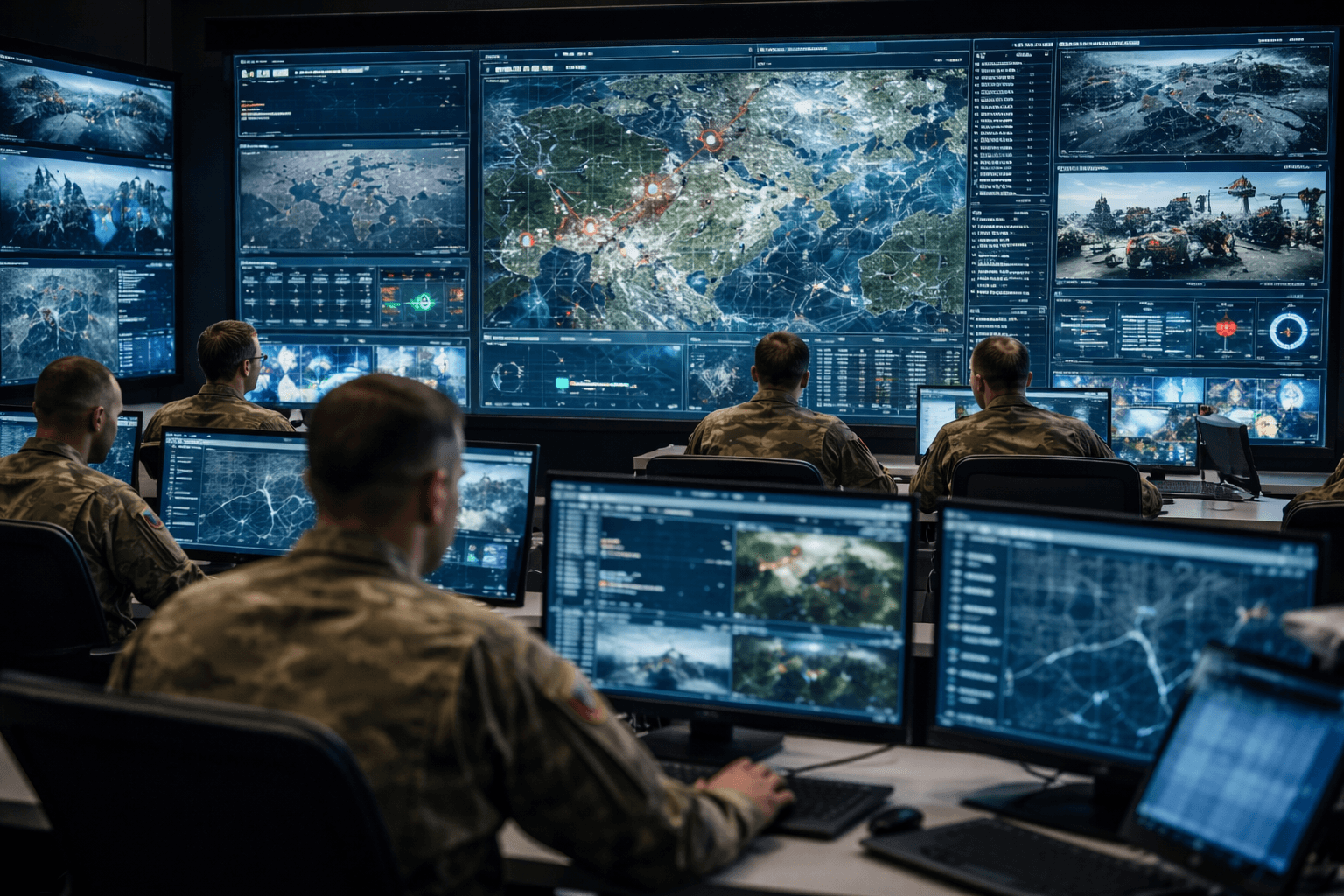
The United States Department of Defense is taking a significant step in its AI strategy. The Pentagon is preparing to formally adopt Palantir’s Maven artificial intelligence system as a core military platform.
This move signals a structural shift in how modern warfare is conducted. The Pentagon Palantir AI system is no longer an experimental tool. It is becoming central to battlefield operations and long-term defense planning.
From Experimental Tool to Core Military System
The Pentagon plans to designate Palantir’s Maven AI as a “program of record.” This classification ensures long-term funding and formal integration across all branches of the US military.
The decision is based on a memo from Deputy Secretary of Defense Steve Feinberg, who emphasized the need to embed AI deeply into military operations.
Once implemented, the system will transition from limited deployment to a standardized platform used across the entire defense ecosystem.
What the Maven AI System Actually Does
The Maven system functions as a command-and-control platform powered by artificial intelligence. It processes vast amounts of data collected from satellites, drones, sensors, and intelligence reports.
Using machine learning, it identifies potential threats and suggests targets for military operations.
The system significantly reduces the time required for analysis. Tasks that previously took hours can now be completed in minutes, improving operational speed and decision-making.
Recent reports indicate that Maven has already been used in active military operations, including thousands of strikes in ongoing conflicts.
Strategic Shift Toward AI-Driven Warfare
The adoption of the Pentagon Palantir AI system reflects a broader shift toward AI-led military strategy.
Defense leadership has stated that AI-enabled decision-making will become a cornerstone of future operations.
This includes:
- Faster threat detection
- Real-time battlefield analysis
- Automated data integration across systems
The transition also involves moving oversight of the system to the Pentagon’s Chief Digital and Artificial Intelligence Office, signaling a centralized AI strategy.
Operational and Industry Impact
The decision represents a major milestone for Palantir. The company has already secured multi-billion-dollar defense contracts, strengthening its position in the global defense technology market.
For the military, the integration of AI at this scale improves efficiency and coordination across different units. It allows commanders to act on real-time intelligence rather than delayed analysis.
However, this shift also increases reliance on advanced software systems, raising questions about resilience and long-term dependency.
Ethical and Security Concerns
The expansion of AI in military operations has sparked debate.
Experts have raised concerns about:
- The role of AI in target identification
- Risks of bias in data-driven decisions
- Accountability in automated systems
Although Palantir maintains that human operators remain in control of final decisions, the increasing speed and scale of AI-assisted operations introduce new ethical challenges.
There are also technical concerns. The system has previously relied on external AI components, which have been flagged as potential supply chain risks by defense authorities.
Topics
Covering startup news, AI, technology, and business at ThePrimely. Delivering accurate, in-depth reporting on the stories that shape the future.