
Paper Batteries Could Redefine the Future of Energy Storage
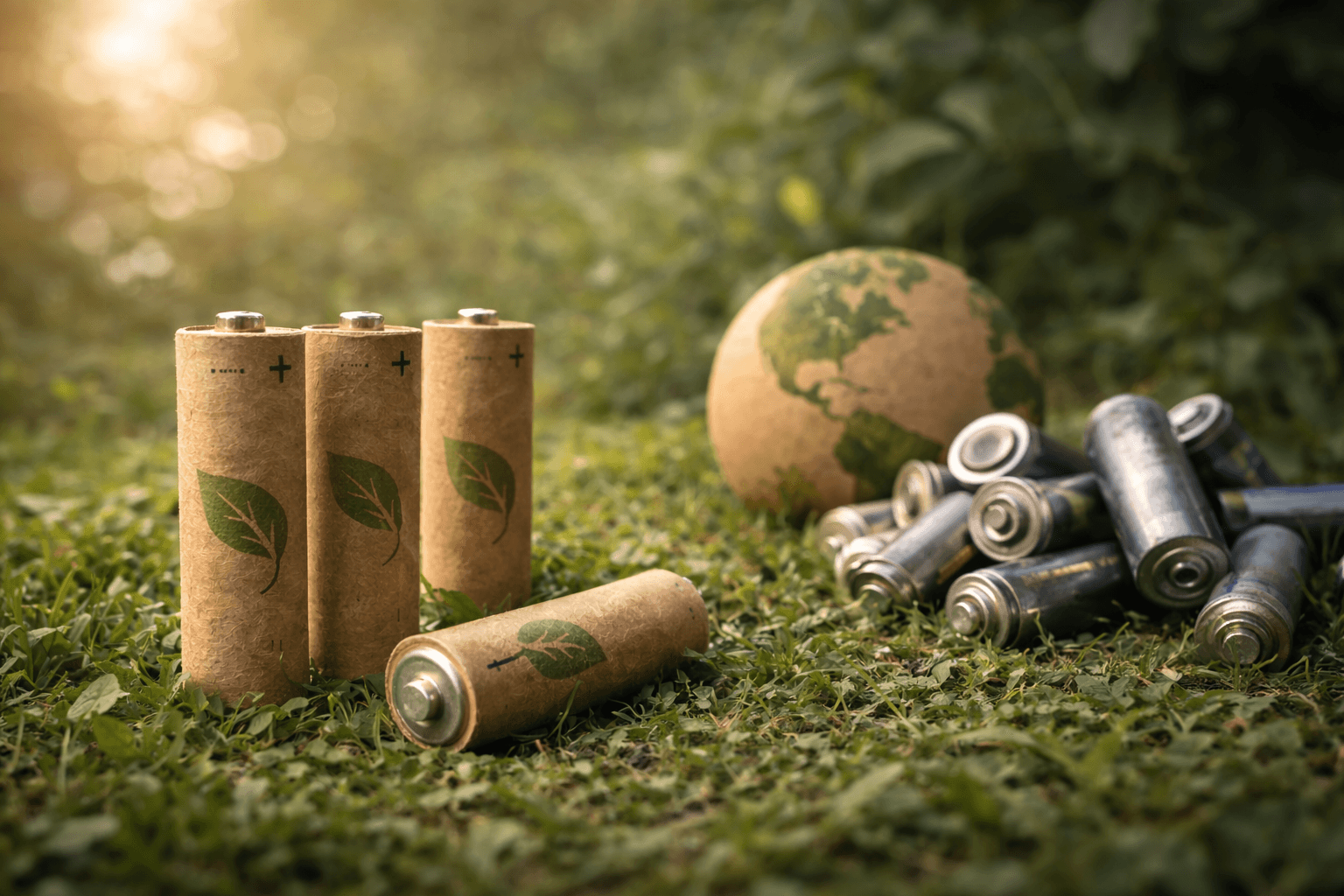
A Structural Problem in Modern Electronics
The global economy depends on batteries. Yet the system behind them remains deeply inefficient.
Most batteries rely on resource-intensive mining and follow a linear lifecycle. They are produced, used, and discarded.
This model generates massive electronic waste and environmental risk. Toxic metals such as lithium and cobalt contribute to pollution and safety concerns.
A new generation of startups is challenging this model. Among them, Flint is taking a radically different approach with paper batteries.
What Are Paper Batteries and Why They Matter
Paper batteries represent a shift in material design. Instead of relying on heavy metals, they use plant-based components.
Flint’s batteries use cellulose as a structural base and combine it with water-based electrolytes and safe minerals.
This design delivers several advantages:
- Elimination of toxic materials
- Reduced fire risk
- Potential biodegradability
- Compatibility with existing devices
Unlike traditional batteries, these systems aim to align with circular economy principles.
A Drop-In Replacement Model
A key innovation is compatibility.
Flint’s batteries are designed as drop-in replacements for standard formats such as AA and AAA.
This means manufacturers do not need to redesign products.
The approach lowers adoption barriers and accelerates potential market entry.
Background: The Growing E-Waste Challenge
Battery waste is a critical part of the global e-waste problem.
Batteries contain hazardous materials that can contaminate soil and water when disposed improperly.
Recycling systems remain limited and complex.
Many batteries are not recycled at scale due to cost and safety constraints.
At the same time, demand continues to rise.
The expansion of consumer electronics, IoT devices, and electric systems is increasing battery usage globally.
This creates a structural challenge.
Without innovation, waste will scale alongside demand.
Key Developments Behind Flint’s Technology
1. Cellulose-Based Design
Flint replaces metal-heavy components with cellulose derived from plants.
Cellulose forms the core structure of the battery, including electrodes and separators.
This enables flexibility and reduces reliance on mining supply chains.
2. Water-Based Electrolytes
Traditional batteries use flammable and toxic chemicals.
Flint’s approach uses water-based electrolytes combined with minerals like zinc and manganese.
This significantly improves safety.
The batteries are reported to be non-flammable and stable even under stress.
3. Biodegradability and Circular Design
One of the most significant aspects is end-of-life management.
Flint’s batteries are designed for potential compostability and recovery.
This supports a circular lifecycle rather than disposal.
The shift from linear to circular design is central to sustainability in hardware.
You might like this : AI adoption is reshaping entry-level
4. Transition to Scaled Manufacturing
Flint has moved beyond research.
The company has begun scaled production in Singapore, marking a transition to commercialization.
It has also secured partnerships with major companies, including Amazon and Logitech, for testing and integration.
This signals early validation from industry players.
Industry Impact: Rethinking Battery Economics
Reducing Dependency on Critical Minerals
Traditional batteries rely on mining-intensive materials.
This creates supply chain risks and environmental costs.
Paper batteries reduce dependency on these materials.
They use widely available, renewable resources instead.
Lowering Environmental Footprint
The environmental benefits extend beyond materials.
Paper batteries aim to reduce:
- Carbon emissions from mining
- Toxic waste
- Fire hazards
By design, they integrate sustainability into the product lifecycle.
Enabling Circular Electronics
The concept of circular electronics is gaining traction.
Products are increasingly designed for reuse, recycling, or decomposition.
Paper batteries align with this vision.
They introduce a model where energy storage components can return safely to the environment.
Strategic Implications for the Market
1. Shift Toward Sustainable Materials
Material innovation is becoming a competitive advantage.
Companies that reduce environmental impact will gain regulatory and consumer support.
2. Compatibility as a Growth Lever
Flint’s drop-in replacement strategy is critical.
It avoids the need for redesign, which is often a barrier to adoption.
This increases the likelihood of rapid scaling.
3. New Standards for Battery Safety
Safety concerns around batteries are rising.
Incidents involving overheating and fire have increased scrutiny.
Safer chemistries could become a standard requirement in future regulations.
Future Outlook: From Niche to Mainstream
Paper batteries are still in early commercialization stages.
However, the trajectory is clear.
If performance matches conventional batteries, adoption could accelerate.
Future developments may include:
- Expansion into IoT and smart devices
- Integration into consumer electronics
- Use in energy storage systems
The long-term goal is to embed sustainability into energy infrastructure.
Topics
Covering startup news, AI, technology, and business at ThePrimely. Delivering accurate, in-depth reporting on the stories that shape the future.