
NSS Volunteer Pankaj Reaches Finale of MY Bharat Budget Quest 2026
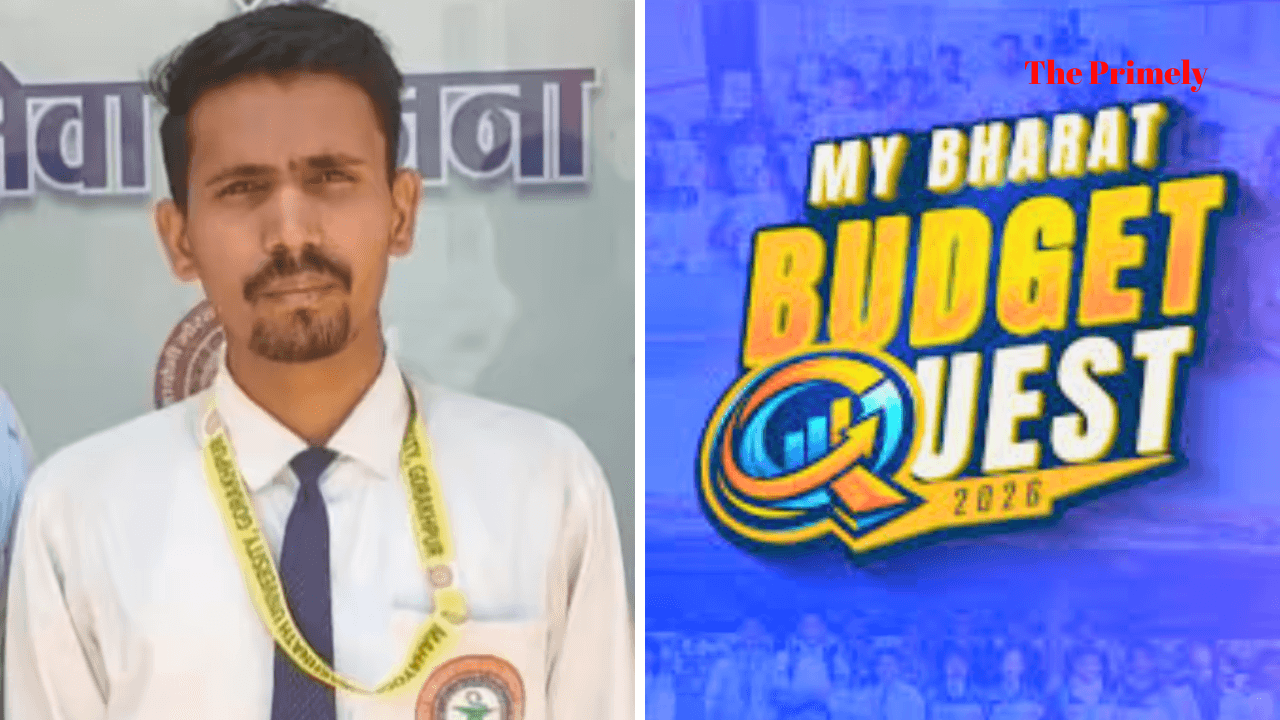
Budget Quest 2026 has emerged as a unique platform encouraging young Indians to engage with public finance and governance. The achievement of a Varanasi-based NSS volunteer reaching the finale reflects a broader shift in how youth are connecting with policy discourse.
This development is not just about one individual’s success. It signals a growing institutional effort to make economic literacy and governance awareness accessible to students across the country.
Background: The Rise of Youth Engagement in Policy
In recent years, initiatives under programmes like My Bharat have focused on involving young citizens in national development conversations. These programmes aim to bridge the gap between policy-making and public understanding.
Competitions such as Budget Quest 2026 provide structured exposure to fiscal policy, allowing participants to analyse budgets, propose ideas, and understand economic priorities in a practical manner.
Budget Quest 2026: A Volunteer’s Journey
From Local Participation to National Recognition
The journey of the NSS volunteer from Varanasi reflects how grassroots participation can lead to national recognition. Through consistent engagement in academic and civic activities, the participant advanced through multiple rounds of the competition.
Reaching the finale demonstrates not only individual effort but also the effectiveness of institutional platforms that support youth participation. It highlights how local initiatives can feed into national-level opportunities.
The Role of NSS and Educational Ecosystems
The National Service Scheme has traditionally focused on community development and social responsibility. Its role in fostering awareness of governance issues is now becoming more prominent.
By supporting students in competitions like Budget Quest 2026, NSS institutions are expanding their scope. They are moving beyond fieldwork into policy literacy, equipping students with skills relevant to public decision-making.
Industry and Policy Impact
The increasing visibility of programmes like Budget Quest 2026 suggests a shift in how policy education is approached in India. Educational institutions and government bodies are collaborating to make economic concepts more accessible.
This trend could influence how future professionals engage with governance. As more young participants gain exposure to public finance, the talent pool for policy research and administration is likely to expand.
Strategic Implications
The success of participants from smaller cities highlights the decentralisation of opportunity. It shows that policy engagement is no longer limited to metropolitan academic circles.
For policymakers, this presents an opportunity to strengthen outreach programmes. For institutions, it underscores the need to integrate practical policy learning into academic curricula.
Topics
Covering startup news, AI, technology, and business at ThePrimely. Delivering accurate, in-depth reporting on the stories that shape the future.