
AI Firms Are Becoming Cybersecurity Gatekeepers
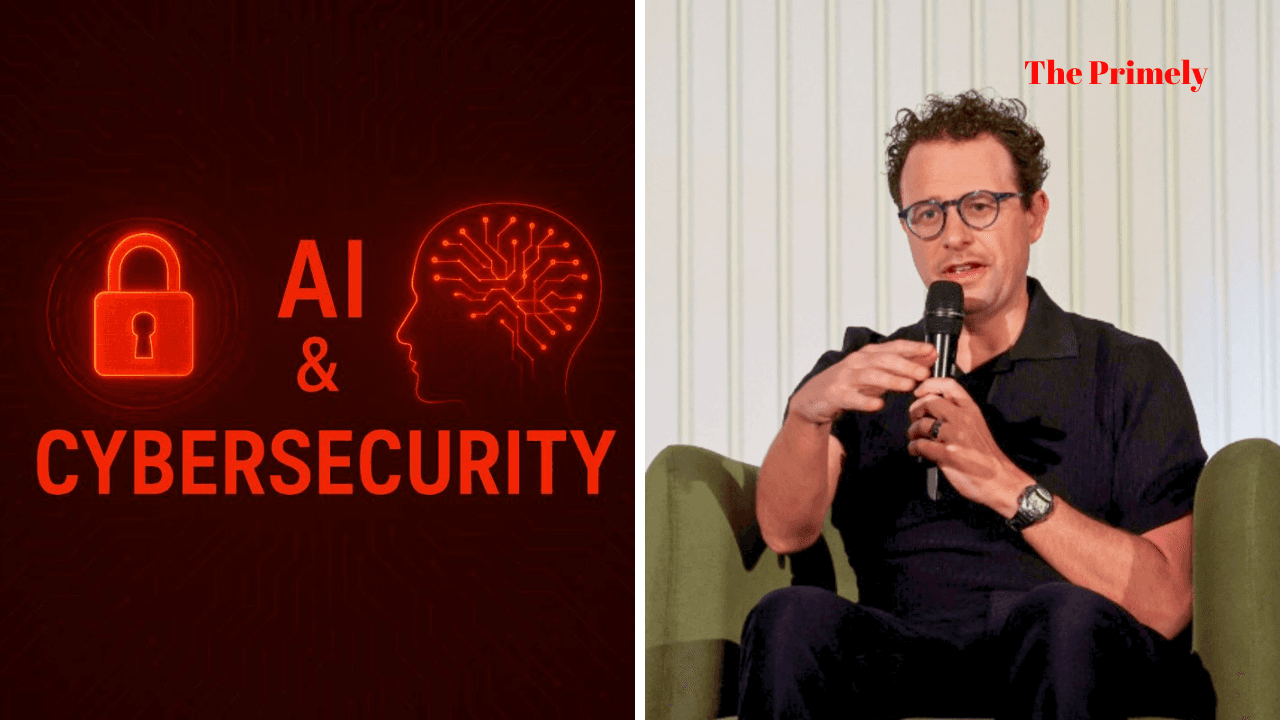
A major shift is unfolding in the digital world. AI cybersecurity gatekeepers are emerging as powerful players, quietly reshaping how global cybersecurity operates.
According to recent analysis, artificial intelligence companies are no longer just building tools. They are increasingly identifying vulnerabilities, controlling access to critical security information, and influencing how threats are managed.
This change is subtle but significant. It places private AI firms at the center of global digital security.
What Does “Cybersecurity Gatekeeper” Mean?
Traditionally, cybersecurity has been handled by governments, independent researchers, and specialized firms. However, AI companies are now taking on a new role.
Advanced AI models can scan massive systems, detect hidden vulnerabilities, and even predict potential cyberattacks. In some cases, these companies decide which vulnerabilities to disclose and when, effectively controlling critical information flows.
Projects like Anthropic’s “Glasswing” highlight this shift. These initiatives aim to identify large-scale software weaknesses but are often kept restricted, raising questions about transparency and accountability.
Why This Shift Is Happening
The reason is simple: AI has unmatched scale.
Modern AI systems can analyze millions of lines of code, detect patterns, and identify risks faster than human experts. This makes them highly valuable in cybersecurity.
At the same time, companies are investing heavily in AI-driven security. Studies show that over 70% of organizations already use AI in cybersecurity operations, highlighting its growing importance.
This combination of capability and demand has accelerated the rise of AI firms as central security actors.
Risks and Concerns Around AI Control
While the benefits are clear, the risks are equally significant.
One major concern is centralization of power. If a few AI companies control vulnerability detection, they may gain disproportionate influence over global digital infrastructure.
Another issue is lack of transparency. When vulnerabilities are discovered but not publicly disclosed, it creates uncertainty. Governments and organizations may not fully understand the risks they face.
Experts also warn that powerful AI tools could be misused. The same systems that detect vulnerabilities can potentially be used to exploit them if they fall into the wrong hands.
Industry Impact and Strategic Implications
The rise of AI cybersecurity gatekeepers is reshaping the entire industry.
Cybersecurity is no longer just about defending systems. It is increasingly about controlling information. Who discovers threats, who shares them, and who acts on them are becoming key strategic questions.
For governments, this creates a policy challenge. They must balance innovation with regulation. For businesses, it means relying more on AI-driven security tools while managing new risks.
This shift also signals a deeper integration between AI and cybersecurity, creating a new hybrid domain that will define the future of digital safety.
Topics
Covering startup news, AI, technology, and business at ThePrimely. Delivering accurate, in-depth reporting on the stories that shape the future.