
Anthropic CEO White House Meeting Signals Deepening Pentagon AI Tensions
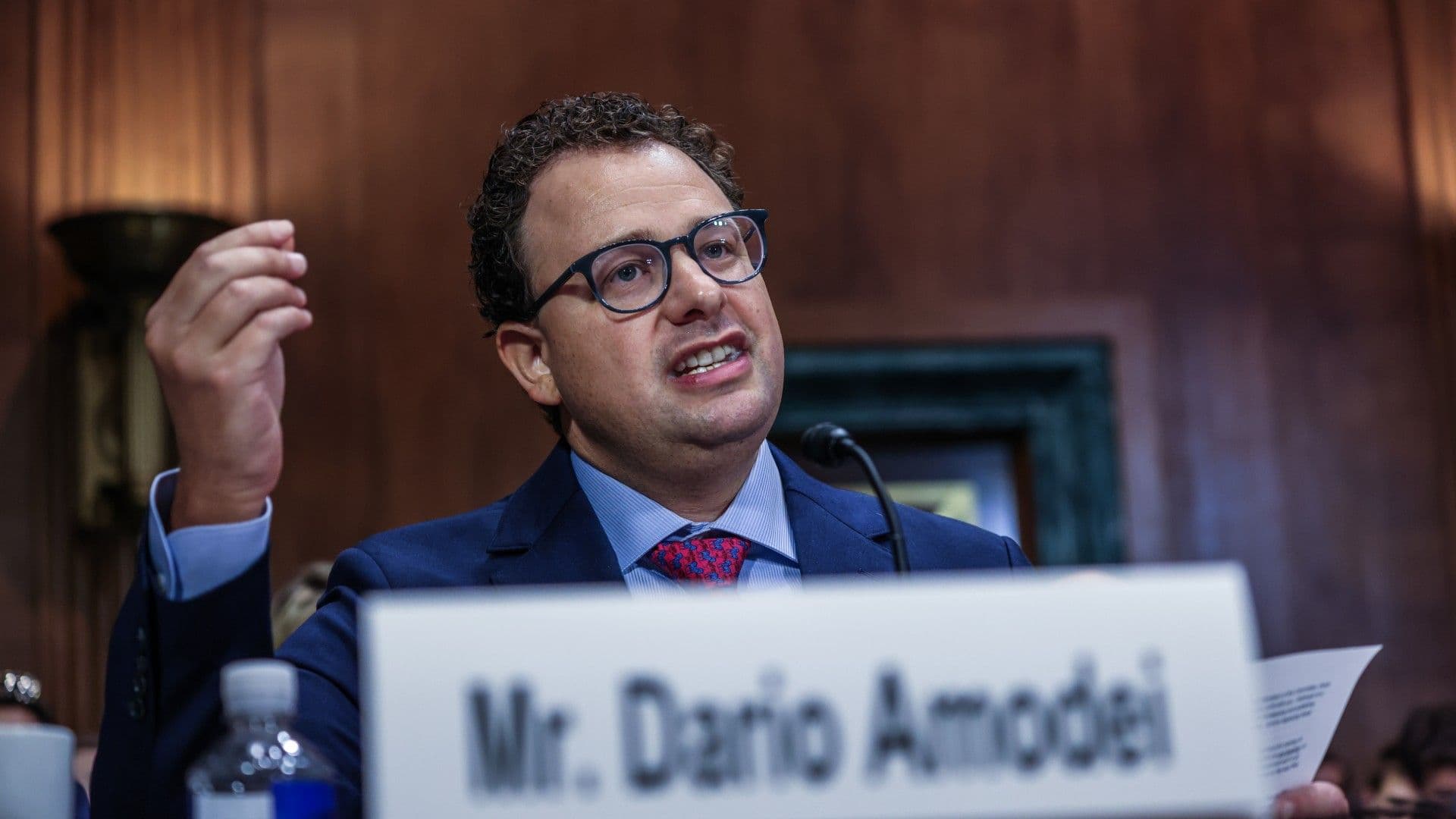
The Anthropic CEO White House meeting marks a critical moment in the evolving relationship between artificial intelligence firms and the US government. As tensions rise between commercial AI priorities and defense interests, this meeting reflects a broader struggle over control, ethics, and national security. The discussion is not routine. It highlights a growing divide between Silicon Valley innovation and Pentagon expectations.
Understanding the Core Issue
At the center of this development is a reported dispute between Anthropic and the US Department of Defense. The Pentagon seeks greater access to advanced AI systems. However, Anthropic appears cautious about how its models are used in military contexts.
This tension is not new. Yet, it is now reaching senior policy levels. The White House Chief of Staff stepping into the conversation signals urgency. It also shows that AI governance is no longer a technical issue. It is now a national priority.
Why Anthropic Matters
Anthropic has positioned itself as a safety focused AI company. It emphasizes responsible deployment and controlled use of its models. Unlike some competitors, the company has taken a measured stance on military applications. This approach aligns with its public commitment to AI safety. However, it creates friction with defense agencies that want faster adoption.
At the same time, the US government sees AI as a strategic asset. It views advanced models as essential for intelligence, cybersecurity, and battlefield decision making. This difference in priorities sets the stage for conflict.
Key Developments Leading to the Meeting
Rising Pentagon Pressure
The Pentagon has increased efforts to integrate AI into its operations. It wants reliable access to cutting edge models. These systems can improve data analysis, surveillance, and logistics. However, access depends on cooperation from private firms.
Anthropic’s Strategic Position
Anthropic appears cautious about direct military deployment. The company likely aims to avoid reputational risk and ethical concerns. As a result, negotiations have become more complex.
White House Intervention
The White House Chief of Staff’s involvement indicates that the issue has escalated. It suggests that internal disagreements could affect national AI strategy. This meeting aims to align expectations and reduce friction.
A Defining Moment for AI Governance
The outcome of this situation could reshape how AI companies engage with governments.
Shift in Public Private Dynamics
AI firms now hold critical infrastructure. Governments depend on them more than ever. This reverses traditional power dynamics. As a result, companies have greater leverage in policy discussions.
Regulation Pressure Will Increase
This dispute may accelerate formal AI regulation. Policymakers could introduce clearer rules for defense collaboration. They may also define limits on military use of commercial AI systems.
Signal to Other AI Companies
Other firms will watch closely. The response from Anthropic could influence how competitors approach defense partnerships. Some may align closely with government goals. Others may adopt stricter ethical boundaries.
Strategic Implications for the US AI Ecosystem
Balancing Innovation and Security
The US must balance rapid innovation with responsible use. Too much restriction could slow progress. Too little oversight could create risks. This meeting reflects that delicate balance.
Global Competition Factor
AI leadership is a global race. Countries like China are investing heavily in military AI. Therefore, delays or disagreements within the US ecosystem could have strategic consequences.
Trust and Transparency
Trust between government and AI firms is now essential. Without it, collaboration will stall. This meeting could set a precedent for future engagement models.
What Comes Next
The immediate outcome of the meeting remains unclear. However, several scenarios are likely. First, the government may push for structured agreements with AI firms. These agreements could define acceptable use cases. Second, Anthropic may refine its policies to allow limited cooperation. This would help maintain both ethical standards and strategic alignment.
Finally, broader AI regulation could emerge. Lawmakers may use this situation to justify new frameworks. In any case, this is not an isolated event. It marks the beginning of deeper negotiations between technology and state power.
The Anthropic CEO White House meeting represents more than a policy discussion. It reflects a fundamental shift in how AI intersects with national security. The tension between innovation and control will define the next phase of AI development. Both sides must find common ground. Otherwise, fragmentation could slow progress and weaken strategic positioning. This moment demands careful leadership, clear policy, and mutual trust.
FAQ's
Why is the Anthropic CEO meeting the White House?
The meeting addresses a dispute with the Pentagon over access to advanced AI systems and their military use.
What is the Pentagon AI dispute about?
The Pentagon seeks broader use of AI tools, while Anthropic appears cautious about defense applications.
Why is this meeting important?
It highlights growing tensions between AI companies and government agencies over control, ethics, and national security.
Will this lead to new AI regulations?
It is likely. The situation may accelerate policy frameworks governing AI use in defense and public sectors.
How does this affect the AI industry?
It sets a precedent for how companies collaborate with governments, influencing future partnerships and ethical standards.
Topics
Covering startup news, AI, technology, and business at ThePrimely. Delivering accurate, in-depth reporting on the stories that shape the future.