
Why Is Ajit Doval in Saudi Arabia Amid West Asia Conflict and Rising Energy Security Concerns?
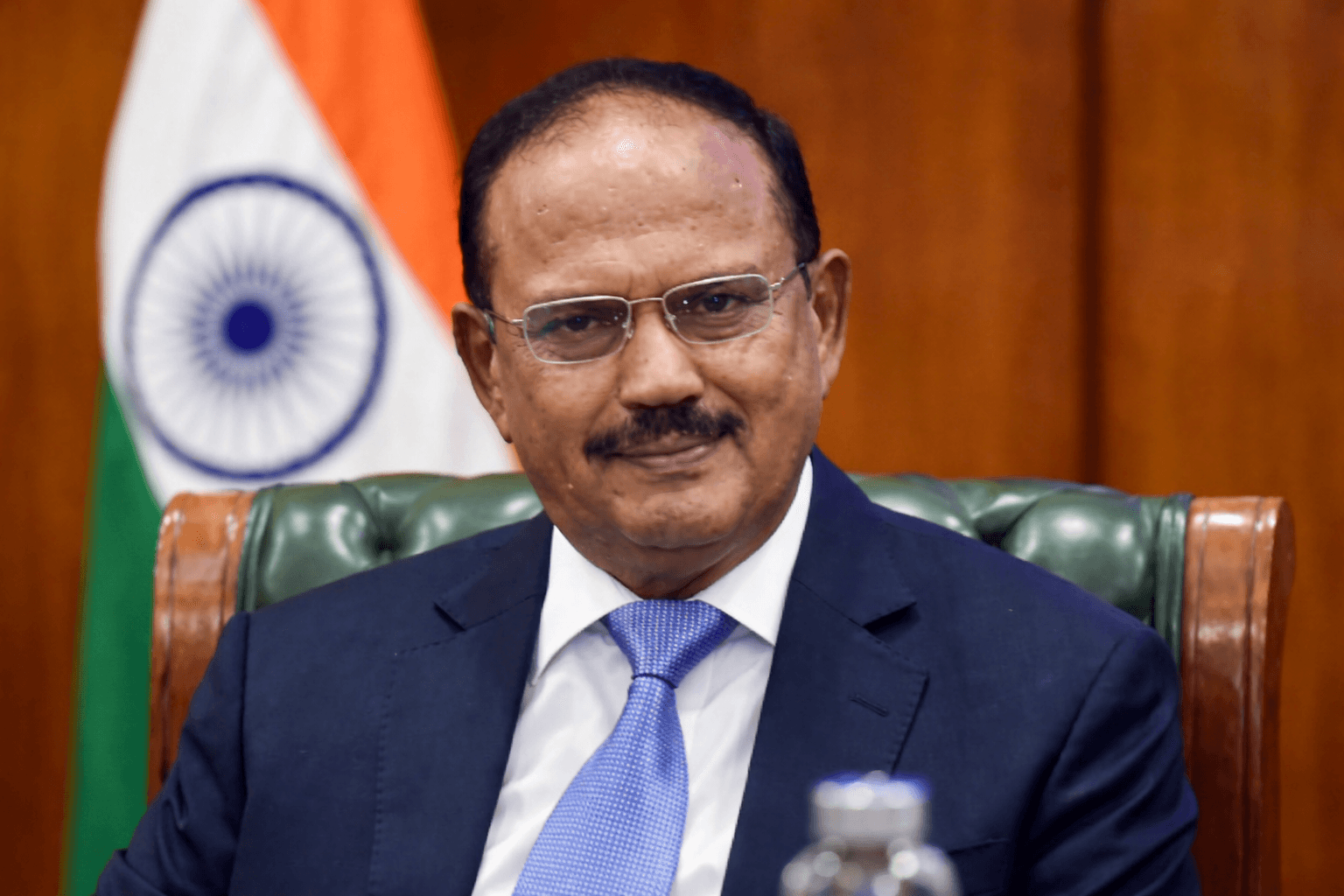
India’s National Security Adviser Ajit Doval has made a critical visit to Saudi Arabia at a time of escalating tensions in West Asia. The timing is strategic. The stakes are high. And the implications extend far beyond diplomacy.
This visit is not routine. It reflects India’s growing urgency to secure its energy interests while navigating a fragile geopolitical landscape.
Understanding the Current Situation
West Asia is witnessing renewed instability. Ongoing conflict dynamics have increased concerns around regional security and global energy flows. One of the most sensitive areas is the Strait of Hormuz. This narrow maritime route carries nearly 20 percent of global oil supply. Any disruption here can trigger sharp price spikes. For a country like India, which imports over 85 percent of its crude oil, the risks are significant.
Therefore, India cannot remain a passive observer. It must engage actively with key regional partners.
Why Ajit Doval’s Saudi Arabia Visit Matters
Ajit Doval’s visit to Riyadh comes with a focused agenda. Energy security is at the center. However, the discussions go beyond oil supply. Saudi Arabia is one of India’s largest crude suppliers. It also plays a crucial role in stabilizing global oil markets. By engaging directly with Saudi leadership, India aims to ensure continuity in supply and avoid sudden disruptions.
At the same time, the visit signals India’s intent to remain diplomatically active in West Asia. India seeks to maintain balanced relations across competing regional powers. This approach allows India to protect its strategic autonomy while safeguarding economic interests.
India’s Growing Stakes in West Asia
India’s engagement with West Asia has deepened over the years. Trade volumes have increased steadily. Energy dependence remains high. Additionally, millions of Indian expatriates live and work in the region. Saudi Arabia, in particular, has emerged as a key partner. Cooperation spans energy, investment, and security.
However, regional instability now poses new challenges. Rising tensions involving Iran and concerns over maritime security have amplified risks. This context explains the urgency behind Doval’s visit.
Key Developments from the Visit
During the visit, Ajit Doval held high level discussions with Saudi leadership. The focus remained on three core areas. First, energy security. India seeks assurance on stable oil supply despite global uncertainty. Even minor disruptions can impact domestic inflation and economic growth.
Second, regional stability. Both sides discussed ways to reduce escalation risks in West Asia. Stability in the region benefits both countries economically and strategically. Third, maritime security. The safety of shipping routes, especially around the Strait of Hormuz, remains critical. Ensuring secure passage for oil shipments is a shared priority.
Impact on Markets and Global Energy Dynamics
The visit has clear implications for global energy markets. Any signal of coordination between major oil producers and consumers can influence price stability. If tensions escalate further, oil prices could surge. This would affect not just India, but the global economy.
However, proactive diplomacy can reduce uncertainty. India’s engagement with Saudi Arabia reflects a calculated effort to mitigate risks before they materialize.
Strategic Implications for India
India is positioning itself as a pragmatic and balanced player in global geopolitics. It is not aligning with any single bloc. Instead, it is building relationships across the spectrum. This strategy offers flexibility. It allows India to respond quickly to changing dynamics.
Moreover, by engaging early, India strengthens its bargaining position. It ensures that its energy needs remain protected even during crises.
What This Means Going Forward
The Ajit Doval Saudi Arabia visit highlights a broader shift in India’s foreign policy. Security and economic priorities are now deeply interconnected. India understands that energy security is national security. Therefore, diplomatic engagement must be timely and targeted. As West Asia remains volatile, such high level visits will become more frequent. They are essential for maintaining stability and protecting national interests.
Ajit Doval’s visit to Saudi Arabia is a strategic move shaped by urgency and foresight. It reflects India’s proactive approach to managing geopolitical risks. Energy security remains the primary concern. However, the broader objective is stability in a region that directly impacts India’s economy. The message is clear. India is not waiting for crises to unfold. It is acting early to shape outcomes.
FAQ's
1. Why did Ajit Doval visit Saudi Arabia?
He visited to discuss energy security, regional stability, and maritime safety amid rising West Asia tensions.
2. How does the West Asia conflict affect India?
It impacts oil supply routes and prices, which directly influence India’s economy.
3. Why is the Strait of Hormuz important?
It carries about 20 percent of global oil supply, making it a critical energy corridor.
4. What role does Saudi Arabia play for India?
Saudi Arabia is a major crude oil supplier and a key strategic partner.
5. What is India’s strategy in West Asia?
India follows a balanced approach, engaging multiple countries to protect its economic and security interests.
Topics
Covering startup news, AI, technology, and business at ThePrimely. Delivering accurate, in-depth reporting on the stories that shape the future.