
What Is OpenAI Planning With Its AI Smartphone and Why Could It Redefine the Mobile Industry?
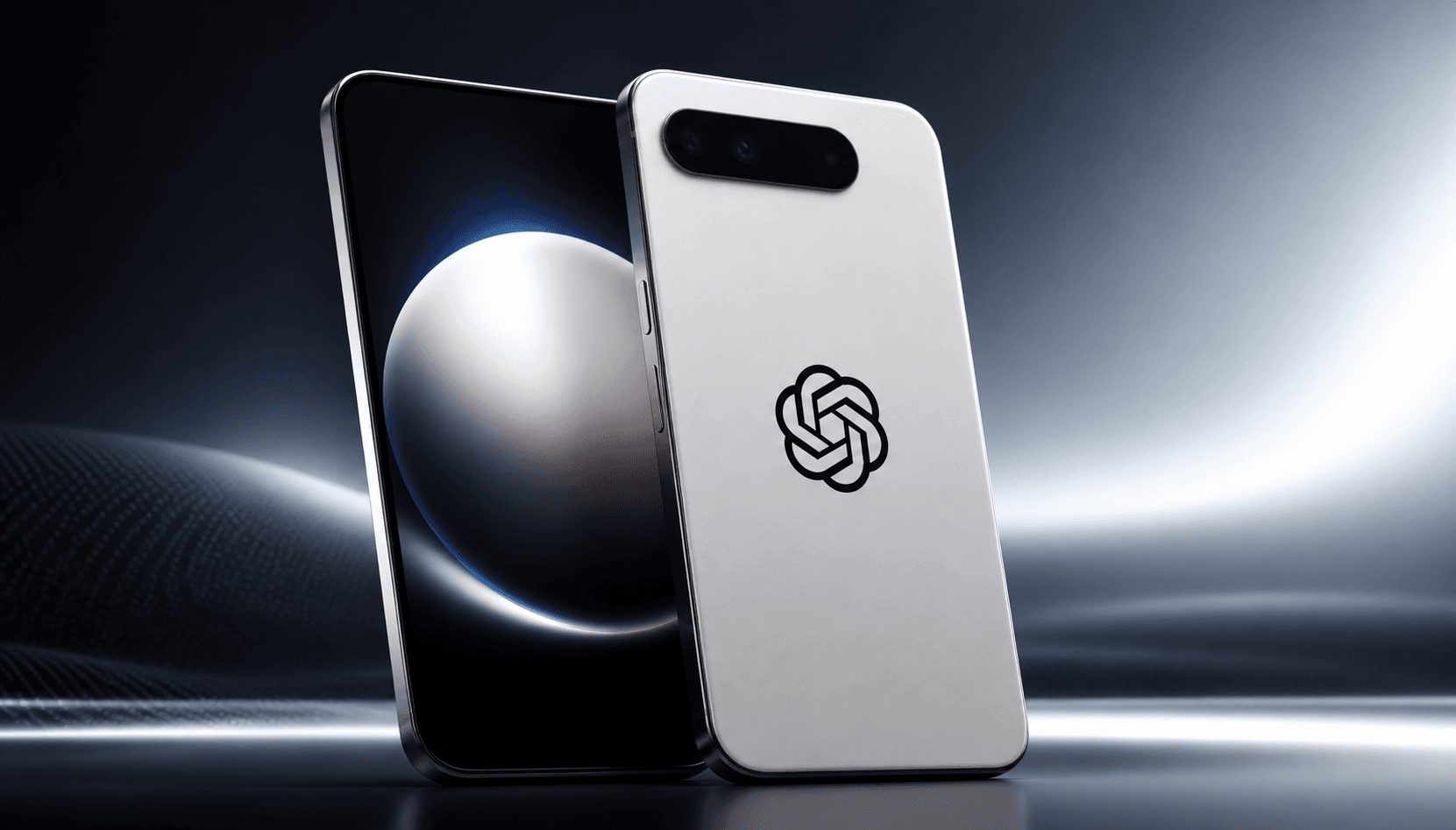
The race to build the first truly intelligent smartphone is accelerating. Reports suggest that the OpenAI AI smartphone is moving faster than expected. Early leaks point to a potential launch window around 2027, with development already gaining momentum.
This is not just another device launch. It signals a shift in how smartphones may function in the coming decade.
Understanding the OpenAI AI Smartphone Vision
OpenAI’s reported smartphone project focuses on deep AI integration rather than hardware alone. Unlike traditional devices, this phone is expected to center its experience around advanced AI models, including ChatGPT-like capabilities.
The goal appears clear. Build a device where AI becomes the primary interface, not just a feature. This changes how users interact with apps, search, and even daily tasks.
Timeline Signals Faster Development
Initial expectations placed the launch further into the future. However, recent reports indicate that OpenAI is accelerating its roadmap. Mass production is now being discussed around 2027. This suggests that the company is already working through critical design and engineering phases.
Such a timeline places OpenAI in direct competition with established smartphone giants much sooner than anticipated.
What Makes This Smartphone Different
The OpenAI AI smartphone is expected to stand apart in several key ways.
AI as the Core Operating Layer
Unlike current smartphones, where AI supports functions, this device may place AI at the center of the operating system. Users could interact through natural language instead of traditional apps. This reduces friction. It also simplifies complex workflows.
Deep ChatGPT Integration
The device is likely to integrate advanced conversational AI deeply into everyday use. This includes messaging, scheduling, content creation, and even decision-making support. In effect, the smartphone becomes a personal assistant that evolves with usage.
Context Awareness and Personalization
Reports suggest strong focus on contextual intelligence. The phone may anticipate user needs based on behavior, location, and preferences. This level of personalization could redefine user expectations from mobile devices.
Market and Industry Impact
The potential entry of OpenAI into hardware carries significant implications.
First, it challenges the current smartphone model dominated by incremental upgrades. AI-first devices could reset consumer expectations.
Second, it creates pressure on major players like Apple and Google. Both companies already invest heavily in AI. However, OpenAI’s advantage lies in its specialized expertise.
Third, it may trigger a broader ecosystem shift. Developers might need to rethink how applications are built for AI-driven interfaces.
Strategic Implications for OpenAI
This move reflects a larger strategy. OpenAI is not just building software anymore. It is expanding into platforms. Owning hardware allows tighter integration between AI models and user experience. It also reduces reliance on third-party ecosystems.
However, this approach carries risks. Hardware development requires scale, supply chain expertise, and capital efficiency. Execution will determine success.
What This Means for the Future of Smartphones
If successful, the OpenAI AI smartphone could reshape the mobile landscape. Smartphones may evolve from app-based tools into intelligent companions. User interfaces could become conversational rather than visual.
Moreover, productivity, creativity, and communication may become more seamless. This transition will not happen overnight. However, OpenAI’s entry could accelerate the shift.
The OpenAI AI smartphone represents more than a new device. It reflects a fundamental change in how technology interacts with users. With a potential 2027 launch and strong focus on AI-first design, the company is positioning itself to challenge the status quo.
The real question is not whether AI will transform smartphones. It is how quickly users will adapt to a world where AI becomes the primary interface.
FAQ's
When will the OpenAI AI smartphone launch?
Current reports suggest a possible launch timeline around 2027, with development progressing rapidly.
What makes the OpenAI smartphone unique?
It focuses on AI as the core interface, offering deep integration with conversational models like ChatGPT.
Will it replace traditional apps?
It may reduce reliance on apps by enabling task execution through natural language interactions.
Who are the main competitors?
Major competitors include Apple and Google, both of which are investing heavily in AI-driven ecosystems.
Is this confirmed by OpenAI?
As of now, details are based on reports and leaks. Official confirmation remains limited.
Topics
Covering startup news, AI, technology, and business at ThePrimely. Delivering accurate, in-depth reporting on the stories that shape the future.